

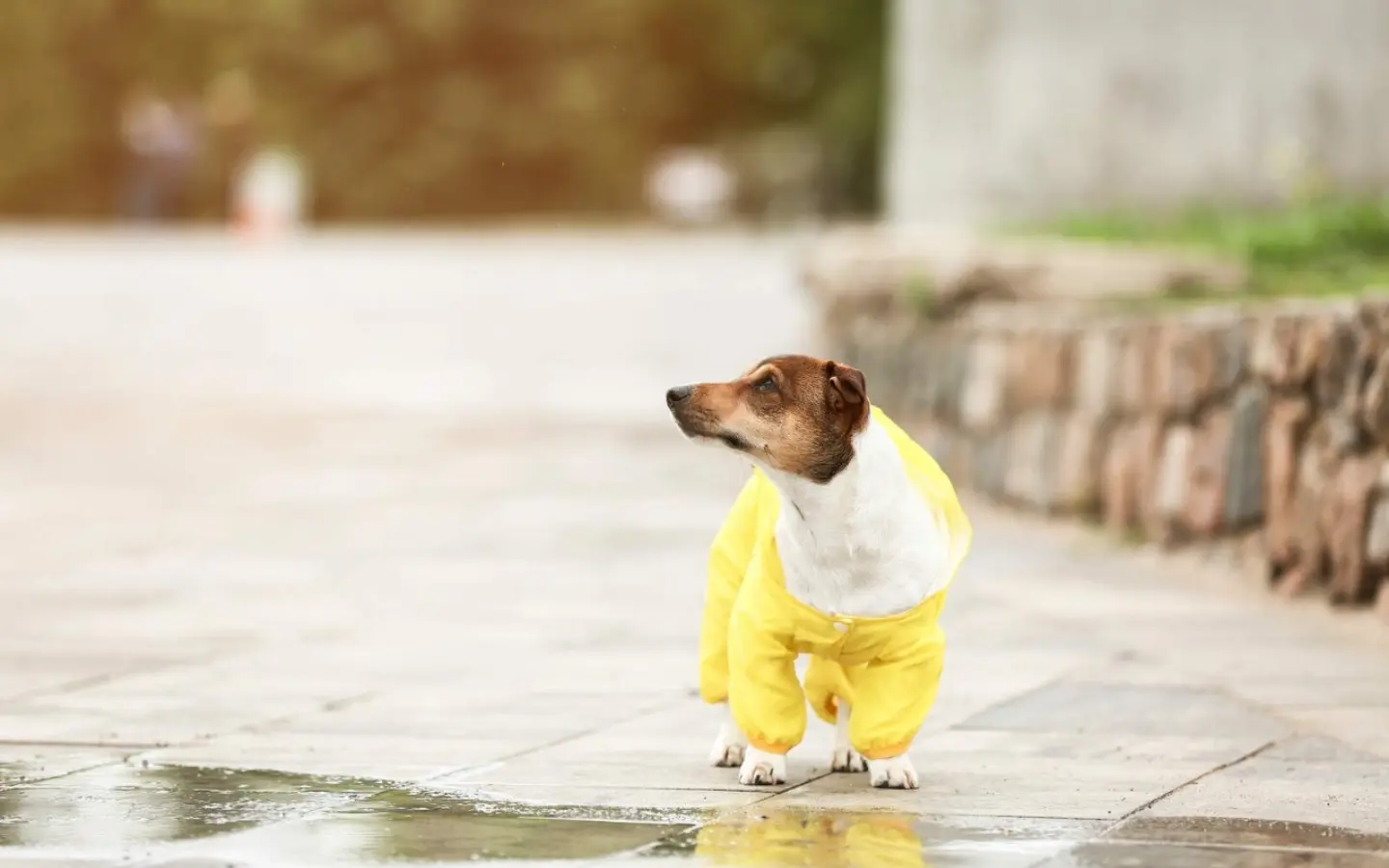
Adjusting Your Dog’s Resting Posture While Wearing a Raincoat
When a dog wears a raincoat during rest periods, whether indoors or outdoors, their natural comfort and mobility can be affected by the coat’s fit, material, or design. Dogs may struggle to find a relaxed position, overheat, or feel restricted, leading to restlessness or discomfort. Here’s how to help them adapt their posture for optimal relaxation while wearing a raincoat.
Loosening the Fit: Preventing Restricted Movement
A raincoat that’s too tight can constrain a dog’s shoulders, hips, or neck, forcing them into awkward positions to relieve pressure. For example, a dog might lie down with their legs splayed awkwardly or hunch their back to avoid discomfort. To prevent this, ensure the coat allows full range of motion. Check that the armholes aren’t digging into the armpits, the belly strap isn’t pulling taut, and the neckline isn’t chafing.
If the coat has adjustable straps or buckles, loosen them slightly during rest periods to give the dog more freedom. For coats with hoods, consider folding or securing the hood behind the neck to avoid it flopping forward and obstructing vision or breathing. Encourage the dog to shift positions naturally and avoid forcing them into a specific posture.
Temperature Regulation: Avoiding Overheating or Chills
Raincoats designed for wet weather often prioritize waterproofing over breathability, which can trap heat and moisture against the dog’s skin. During rest, a dog might pant excessively, seek cooler surfaces (like tile floors), or refuse to lie down if they’re too warm. Conversely, a thin or poorly insulated coat might leave them shivering in cold or windy conditions.
To balance comfort, monitor the dog’s behavior. If they seem overheated, unzip or unbutton the coat partially to improve airflow, or remove it entirely if safe to do so. For chilly environments, layer a lightweight, breathable base layer under the raincoat to retain warmth without bulk. If resting outdoors, provide a sheltered spot with a raised bed or blanket to keep them off cold or wet ground.
Positioning for Relief: Supporting Natural Resting Habits
Dogs instinctively choose positions that alleviate pressure on joints or organs. A raincoat can disrupt this by adding weight or altering how the fabric drapes. For instance, a dog that usually curls into a ball might stretch out flat to avoid the coat bunching around their midsection, while a senior dog with arthritis might struggle to find a pain-free position.
To help, encourage the dog to rest in their preferred stance by adjusting the coat’s fit. If they curl up, tuck any loose fabric around their body to prevent it from shifting. If they sprawl, ensure the coat isn’t riding up over their back or hindquarters. For dogs that sleep on their sides, check that the coat’s seams aren’t pressing into their elbows or hips. Adding a soft, supportive bed or cushion can also ease discomfort.
Addressing Anxiety or Irritation: Reducing Stress Signals
Some dogs associate raincoats with negative experiences, like uncomfortable walks or loud noises from the fabric. This can lead to restlessness, pacing, or even destructive behavior (e.g., chewing the coat) during rest periods. Others might fixate on the coat’s tags, zippers, or straps, making it hard to settle.
To ease anxiety, create a calm environment. Pair wearing the raincoat with positive associations, like treats, gentle pets, or quiet playtime before rest. If the dog fusses with the coat, distract them with a chew toy or puzzle feeder. For persistent irritation, inspect the coat for tags that rub against the skin, seams that cause itching, or Velcro that snags fur. Trim loose threads or adjust fasteners to minimize discomfort.
Outdoor Resting Precautions: Balancing Protection and Comfort
When resting outdoors in a raincoat, dogs face additional challenges, such as wind, puddles, or uneven terrain. A coat that’s too long might drag in mud or water, while one that’s too short could leave the belly exposed. Dogs may also shift positions frequently to avoid wet spots, disrupting their rest.
To mitigate this, choose a resting spot with natural shelter, like under a tree or awning. Elevate the dog off the ground using a waterproof mat or raised bed to keep them dry. If the coat has a waterproof shell but a breathable lining, position the dog so the lining faces upward to wick away moisture. Periodically check that the coat isn’t soaked through; if it is, gently wring it out or replace it with a dry towel underneath for insulation.
Indoor Adjustments: Creating a Cozy, Raincoat-Friendly Space
Indoors, dogs in raincoats might feel overstimulated by the coat’s sounds (e.g., rustling as they move) or restricted by its bulk. They may avoid their usual beds or nap spots if the coat makes it hard to curl up or stretch out.
To adapt, provide low-profile beds or blankets that don’t require the dog to climb or jump. If the coat has a hood, remove it indoors to reduce noise and visual obstruction. For dogs that dislike the sensation of the coat against their fur, layer a soft, familiar blanket over it to create a barrier. Play calming music or use white noise machines to mask rustling sounds if the dog seems distracted.
Conclusion: Prioritizing Comfort in Every Position
Adjusting a dog’s resting posture while wearing a raincoat requires attention to fit, temperature, and behavioral cues. By loosening restrictive areas, regulating heat, supporting natural positions, addressing anxiety, and adapting to indoor/outdoor environments, owners can ensure their pet remains relaxed and comfortable. With patience and observation, even rainy-day naps can be peaceful and stress-free.