

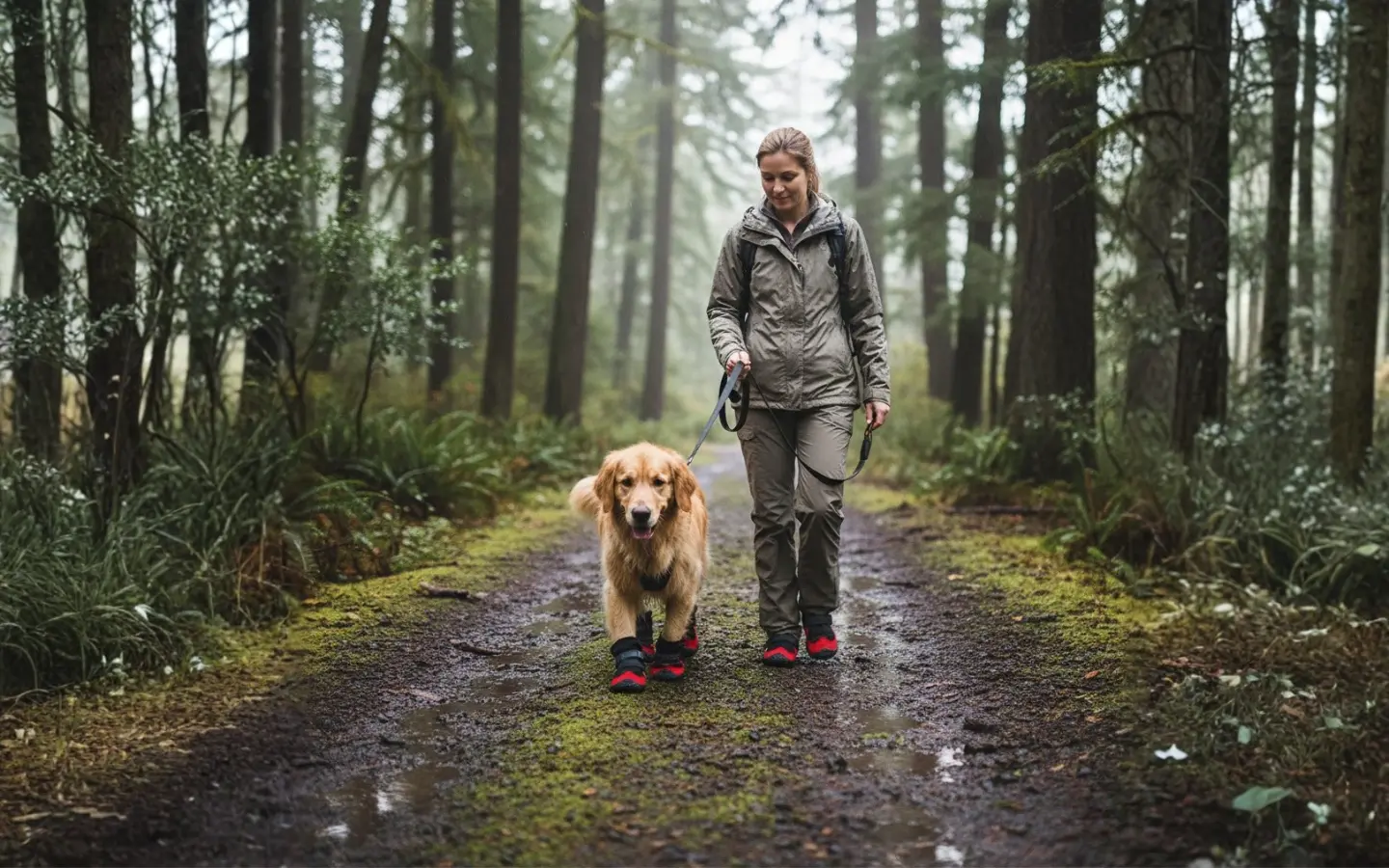
Balancing Gentleness and Cleaning Power in Outdoor Dog Shampoos
For active dogs spending significant time outdoors, selecting a shampoo that balances skin-friendly formulations with effective dirt removal requires understanding ingredient interactions and environmental adaptability. This guide explores how to evaluate products for optimal performance without compromising canine comfort.
Understanding Skin Sensitivity in Outdoor Dogs
Common Outdoor Skin Challenges
Dogs exploring natural environments face increased exposure to allergens like pollen, grass seeds, and insect bites. These elements often trigger contact dermatitis, characterized by redness, itching, and secondary infections from excessive scratching. Veterinary studies indicate that 30% of dogs with frequent outdoor access develop some form of environmental allergy.
pH Balance Importance
Canine skin maintains a natural pH between 6.2-7.4, significantly more alkaline than human skin. Using human-grade shampoos disrupts this balance, weakening the acid mantle that protects against pathogens. Specialized dog formulations incorporate mild surfactants that clean without stripping essential oils, preserving the skin’s protective barrier.
Allergen Identification Strategies
Owners should monitor their dog’s behavior post-bath for signs of irritation such as persistent licking, paw chewing, or unusual odor. Patch testing new products on small skin areas before full application helps identify potential reactions. Veterinary dermatologists recommend avoiding shampoos containing sodium lauryl sulfate, parabens, and artificial fragrances in sensitive breeds.
Cleaning Mechanisms for Outdoor Dirt Removal
Surfactant Technology
Modern dog shampoos utilize amphoteric surfactants that create mild lather while effectively lifting dirt and oils. These compounds differ from harsh anionic surfactants found in some budget products, which can cause protein denaturation in the skin’s outer layer. Studies show amphoteric formulations reduce transepidermal water loss by 40% compared to traditional soaps.
Enzymatic Cleaning Systems
Proteolytic enzymes derived from papaya and pineapple break down organic matter in fur, including sap, mud, and fecal residue. These biological cleaners work at lower temperatures than chemical alternatives, making them suitable for frequent use. Enzymatic shampoos demonstrate 85% effectiveness in removing embedded dirt particles during laboratory tests.
Rinsing Efficiency Factors
Complete product removal prevents residue buildup that attracts new dirt. Shampoos with low-viscosity formulas and quick-break surfactants rinse faster, reducing bathing time and water usage. Some advanced formulations incorporate water-soluble polymers that encapsulate dirt, allowing easier flushing during rinsing.
Environmental Adaptability Features
Hard Water Compatibility
In areas with high mineral content water, certain shampoos form insoluble salts that leave residue on fur. Chelating agents like EDTA and citric acid in specialized formulations bind to calcium and magnesium ions, preventing soap scum formation. These additives improve lather quality and rinsing in hard water conditions.
Temperature Resistance
Outdoor dogs require shampoos that perform effectively in varying temperatures. Winter formulations contain humectants like glycerin that prevent freezing, while summer variants include cooling menthol derivatives. Some products maintain viscosity across a 5°C-40°C range, ensuring consistent application regardless of seasonal changes.
Eco-Friendly Disposal
Biodegradable surfactants derived from coconut oil and sugar beets break down within 28 days in wastewater systems, reducing environmental impact. Packaging innovations like concentrated formulas with 80% less plastic usage and compostable bottles address sustainability concerns for eco-conscious owners.
Application Techniques for Optimal Results
Pre-Bath Preparation
Brushing before washing removes loose fur and tangles, allowing shampoo to penetrate more effectively. Using a rubber grooming mitt during initial wetting helps distribute product evenly through the coat. Owners should avoid applying shampoo directly to the dog’s face, instead using a damp cloth for sensitive areas.
Water Temperature Guidelines
Lukewarm water (37°C-38°C) opens hair cuticles for deeper cleaning without causing thermal shock. Cold water fails to remove oils properly, while hot water strips protective sebaceous secretions. Some advanced shampoos contain temperature-sensitive polymers that adjust cleaning efficacy based on water temperature.
Drying and Post-Bath Care
Towel-drying followed by low-heat blow-drying prevents moisture retention that promotes bacterial growth. Applying a leave-in conditioner with ceramides and fatty acids restores the lipid barrier, particularly important for dogs with seasonal allergies. Regular use of desensitizing sprays containing colloidal oatmeal reduces itching between baths.
By prioritizing skin-compatible ingredients, effective dirt removal systems, and environmental adaptability, owners can maintain their outdoor dogs’ hygiene without compromising skin health. Monitoring individual reactions and adjusting care routines seasonally ensures long-term coat and skin wellness.