

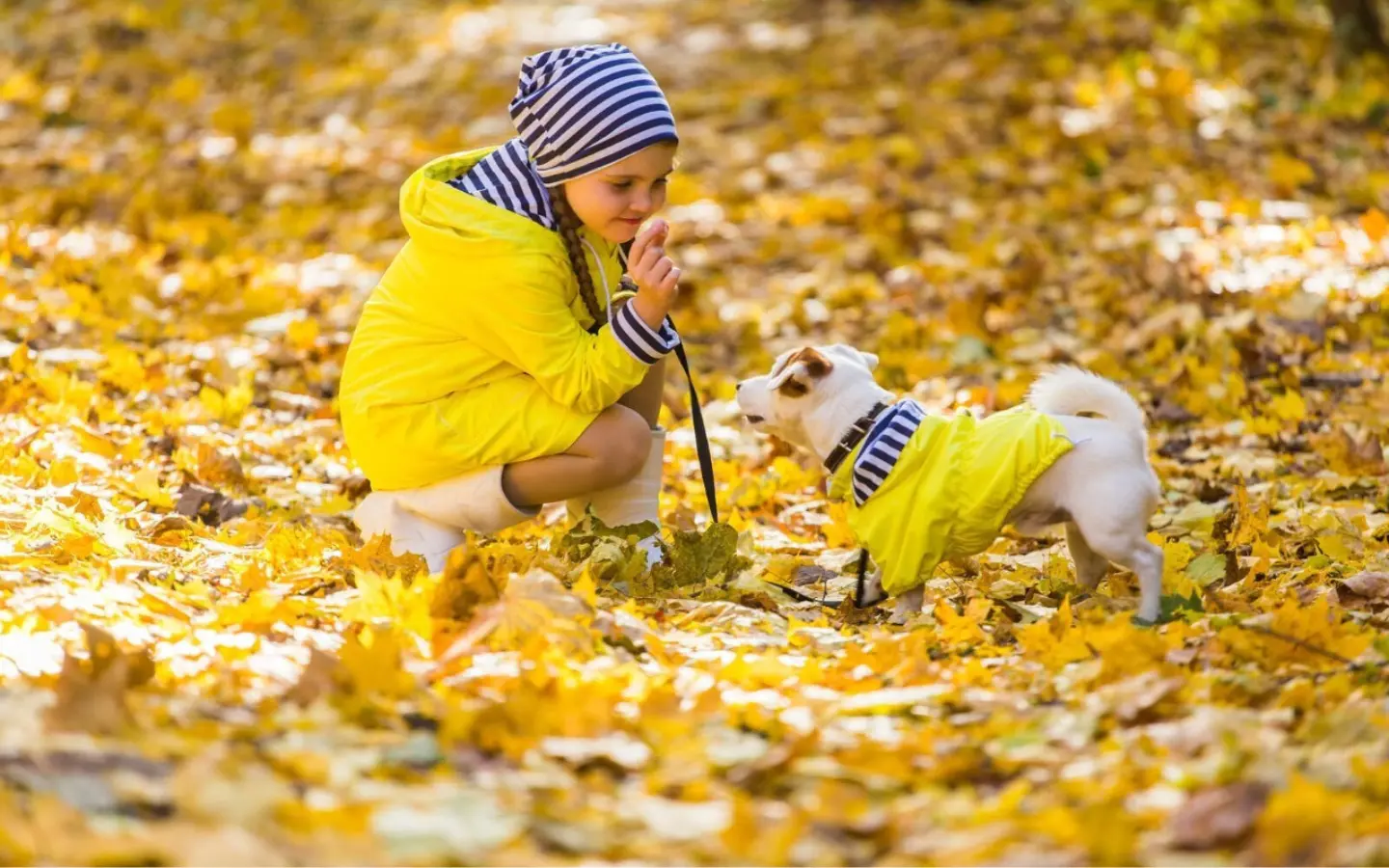
Helping Dogs Get Comfortable With Water While Wearing a Raincoat: Gradual Techniques for Positive Association
Many dogs resist water-related activities when wearing raincoats due to unfamiliar textures, restricted movement, or negative past experiences. However, with structured, positive reinforcement-based training, you can teach your dog to associate water with enjoyable outcomes, even while dressed for wet weather. Here’s how to build comfort and confidence step by step.
Start With Dry Runs Indoors to Build Familiarity With the Raincoat
Before introducing water, ensure your dog is relaxed while wearing the raincoat in a controlled environment. Begin by letting them wear it for short periods during calm activities like eating meals or playing with favorite toys. Use treats or verbal praise to reward calm behavior, gradually increasing the duration until they ignore the garment’s presence.
Once they’re comfortable, simulate water-related sounds indoors. Play recordings of rain, splashing puddles, or waves at a low volume during mealtime or play sessions. Pair these sounds with treats to create positive associations. Over time, raise the volume slightly while maintaining rewards, helping your dog adapt to auditory cues linked to water.
Introduce Shallow Water in a Controlled Outdoor Setting
Choose a quiet, shallow area like a dry kiddie pool or a calm puddle. Let your dog explore the space without the raincoat first, scattering treats or toys to encourage curiosity. Once they’re relaxed, put on the raincoat and repeat the process, ensuring the fabric doesn’t restrict their ability to move freely.
Use a cup or gentle spray bottle to sprinkle small amounts of water near their paws while they investigate the area. Immediately reward any calm reaction, such as sniffing the water or standing still. If they panic, pause and let them retreat to a dry spot before trying again. Consistency is key—short, frequent sessions are more effective than long, stressful ones.
Pair Water Interaction With High-Value Rewards
To override any hesitation, link water exposure to activities your dog loves. For example, if they enjoy fetching, toss a waterproof toy into a shallow puddle and encourage them to retrieve it. Praise them enthusiastically when they step into the water, even if it’s just one paw. Over time, increase the distance of the throw to encourage deeper exploration.
For food-motivated dogs, hide treats in damp sand or soil near water sources. Guide them to dig for the rewards, gradually moving closer to standing water. The combination of mental stimulation and physical activity distracts them from the raincoat while building tolerance for wet surfaces.
Use Gradated Water Depth to Build Confidence
Begin with water that barely covers the paws, such as a damp towel or a thin layer in a tray. Let your dog walk over it while wearing the raincoat, rewarding each step with treats or play. As they grow comfortable, progress to slightly deeper water, like a filled kiddie pool or a calm stream edge.
Monitor their body language closely. If they lift their paws quickly, freeze, or try to shake off the raincoat, they may feel overwhelmed. In this case, return to shallower water and resume training at a slower pace. Always let them set the tempo to avoid reinforcing fear.
Incorporate Water Games to Distract From the Raincoat
Interactive games shift focus away from the sensation of wearing a raincoat in water. Try “find it” by hiding treats under a thin layer of water in a tray or bucket. Encourage your dog to paw or nose through the water to retrieve the rewards, praising their efforts regardless of speed.
Another option is “water chase,” where you gently splash water toward your dog’s paws while they wear the raincoat. Use an excited tone and reward them for following or touching the splashes with their nose. This playful approach reduces anxiety by framing water as part of a game.
Address Specific Discomforts Linked to the Raincoat
If your dog dislikes the sound of water hitting the raincoat’s fabric, mimic the noise during dry training. Sprinkle water on a similar material (like a plastic sheet) nearby while they eat or play. Gradally move the material closer until they’re comfortable with the sound at their side.
For dogs bothered by the raincoat’s weight when wet, practice wearing it during dry activities first, then introduce light misting with a spray bottle. Reward calm behavior as the fabric becomes damp, helping them adjust to the added sensation. Over time, progress to heavier water exposure while maintaining positive reinforcement.
Leverage Familiar Scents to Enhance Comfort
Dogs rely heavily on smell, so incorporate familiar scents into water training. Rub a treat or a piece of their bedding on the edge of a water tray or puddle to make the area feel safer. The scent will draw them in, even if the raincoat feels unfamiliar.
You can also add a few drops of non-toxic, dog-safe flavoring (like diluted chicken broth) to shallow water. This encourages licking or pawing, which helps them associate water with positive experiences. Always rinse the area afterward to avoid skin irritation.
Monitor Progress and Adjust Techniques as Needed
Every dog learns at their own pace, so track small improvements over time. For example, note when your dog willingly approaches water versus when they hesitate. Celebrate milestones like standing in a puddle for 10 seconds or retrieving a toy from shallow water.
If your dog regresses or shows signs of stress (e.g., trembling, panting, or trying to remove the raincoat), revisit earlier steps. Reduce water depth or take a break from training for a few days. Patience ensures they view water as a fun, rewarding experience rather than a challenge.