

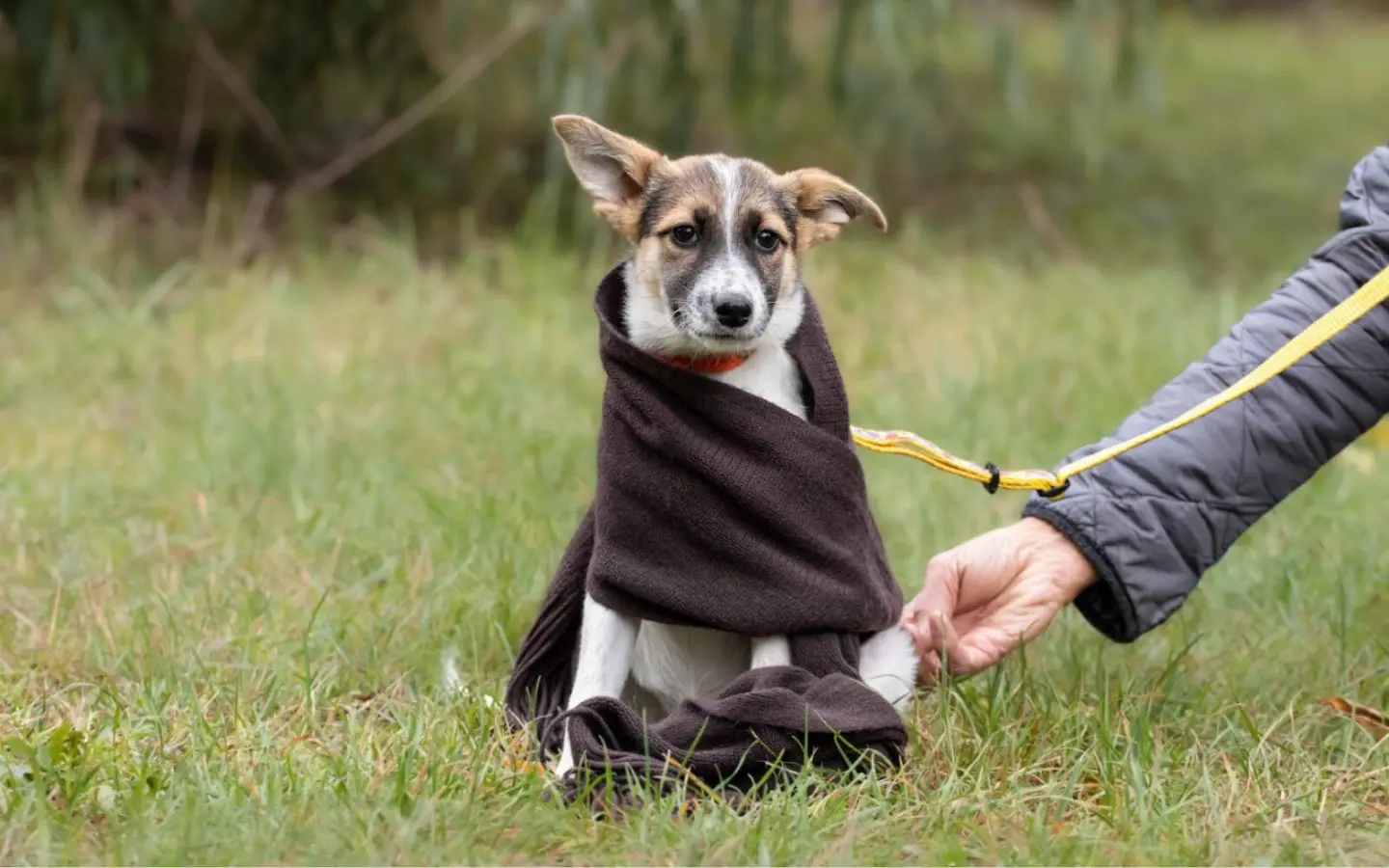
Tracking Training for Dogs Wearing Raincoats: Techniques to Maintain Focus and Performance
Tracking training requires dogs to rely on their sense of smell, focus, and physical stamina, but wearing a raincoat can introduce challenges like restricted movement, altered sensory input, or distraction from fabric noise. By adapting your approach to accommodate the raincoat, you can help your dog stay engaged and effective during sessions. Here’s how to structure training for success.
Start With Short, Familiar Tracks in Mild Weather
Begin training in environments where your dog already feels confident, using tracks they’ve previously mastered. This reduces stress and lets them focus on adjusting to the raincoat’s presence.
- Use Pre-Laid Tracks: Create a simple trail using treats, toys, or scented cloths in a grassy or soft-dirt area. Start with straight lines or gentle curves to avoid overwhelming your dog.
- Limit Initial Sessions: Keep the first few training blocks to 5–10 minutes. This prevents fatigue from the raincoat’s weight or fit while allowing your dog to build positive associations.
- Choose Overcast or Cool Days: Avoid extreme heat or rain initially, as the raincoat may trap heat or create slippery conditions. Opt for calm weather to minimize distractions.
Gradally Introduce the Raincoat During Tracking Drills
Help your dog associate the raincoat with tracking by incorporating it into routine exercises before tackling complex trails.
- Wear the Raincoat During Warm-Ups: Before starting a track, have your dog wear the raincoat during play or obedience drills (e.g., “sit,” “stay,” or recall). This normalizes the garment before scent work begins.
- Pair the Raincoat With Scent Introduction: As your dog sniffs a scent article (like a glove or sock), gently place the raincoat on them. Reward calm behavior with treats or praise to link the garment with the tracking task.
- Practice in Low-Distraction Zones: Start in a quiet backyard or enclosed field where your dog can focus on the track without competing smells or noises. Gradually move to busier areas as they adapt.
Adjust Tracking Techniques to Compensate for the Raincoat
The raincoat may affect your dog’s movement or sensory perception, so modify your cues and expectations to support their performance.
- Encourage Slow, Deliberate Sniffing: A raincoat’s fabric might muffle sounds or alter airflow around your dog’s nose. Use verbal encouragement (“find it!”) or hand signals to guide them to pause and investigate scents thoroughly.
- Allow Frequent Breaks: If the raincoat feels restrictive, let your dog take short rests between track segments. Offer water and praise to keep them motivated.
- Focus on Ground-Level Scents: Raincoats with hoods or high collars may block peripheral vision. Place scent articles closer to the ground to ensure your dog can locate them without relying on sight.
Simulate Real-World Conditions Over Time
Once your dog is comfortable tracking in a raincoat, gradually introduce challenges that mimic practical scenarios, such as wet surfaces or windy weather.
- Practice on Damp Ground: Lightly mist the tracking area with water to simulate rain. This helps your dog learn to follow scents even when the ground is slick or the raincoat gets wet.
- Add Wind to the Equation: Use a fan or train outdoors on breezy days to teach your dog how scent trails disperse in windy conditions. The raincoat may flap or shift, so reward calmness during these sessions.
- Incorporate Distractions: Introduce mild distractions like passing pedestrians or other dogs once your dog masters basic tracks. The raincoat’s noise or feel should become secondary to the task at hand.
Use Positive Reinforcement to Build Confidence
Tracking in a raincoat requires mental and physical effort, so keep your dog motivated with rewards that emphasize their progress.
- Reward Effort, Not Just Success: If your dog struggles to follow a track but stays focused, praise their determination with treats or play. This reinforces persistence over perfection.
- Vary Reward Types: Use a mix of food, toys, and verbal praise to prevent boredom. For example, offer a high-value treat at the end of a track and a game of tug as a mid-session break.
- End on a High Note: Always conclude training with a successful find or a favorite activity. This ensures your dog associates the raincoat with positive outcomes, even if the session was challenging.
Monitor Your Dog’s Comfort and Adjust Accordingly
Pay attention to signs of fatigue, irritation, or stress, as these can hinder tracking performance and enjoyment.
- Check the Raincoat’s Fit: Ensure straps aren’t digging into your dog’s skin or limiting leg movement. A poorly fitting raincoat can cause discomfort, leading to distraction or reluctance to track.
- Watch for Overheating: If your dog pants excessively or slows down, take a break in a shaded area and remove the raincoat temporarily. Offer water and cool them down with a damp towel if needed.
- Be Flexible With Goals: If your dog is struggling to focus, shorten the track or simplify the route. Progress at their pace, not yours, to maintain their enthusiasm for training.
By integrating the raincoat into tracking training gradually and thoughtfully, you can help your dog develop the skills to follow scents effectively, regardless of weather or attire. Consistency, patience, and a focus on their comfort will ensure they view the raincoat as a non-issue during this rewarding activity.