

How to Clean Outdoor Dog Grooming Gloves for Lasting Effectiveness
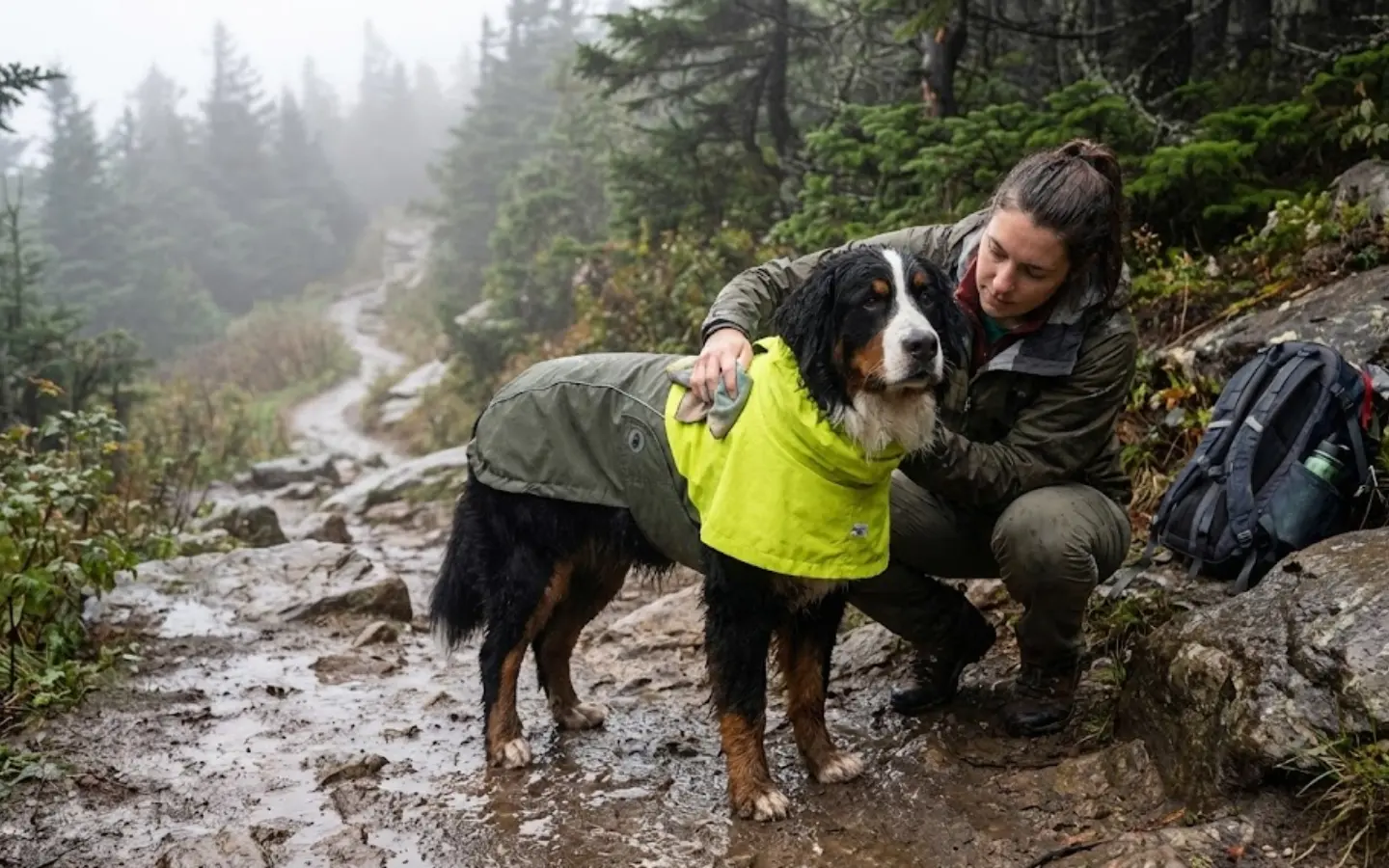
Outdoor dog grooming gloves are essential for removing dirt, loose fur, and debris from your pet’s coat after adventures. However, frequent use exposes them to mud, oils, and bacteria, which can reduce their effectiveness and pose hygiene risks. Proper cleaning ensures the gloves remain durable, functional, and safe for repeated use. Here’s a step-by-step guide tailored for outdoor conditions.
Understanding the Importics of Regular Cleaning
Outdoor gloves accumulate grime faster than indoor ones due to exposure to environmental elements like pollen, dust, and moisture. Unclean gloves can transfer bacteria or parasites back to your dog’s coat, leading to skin irritation or infections. Additionally, clogged bristles or rubber nodules lose their ability to grip fur effectively, making grooming sessions less efficient.
Signs Your Gloves Need Cleaning
- Visible dirt or fur trapped in the bristles.
- A lingering odor, even after air-drying.
- Reduced flexibility or stiffness in the material.
- Discoloration from mud or oils.
Daily Maintenance After Outdoor Use
Quick daily cleaning prevents buildup and extends the gloves’ lifespan.
Shake Off Loose Debris
After each grooming session, hold the gloves upside down and gently shake them to dislodge loose fur, dirt, or leaves. Use your fingers to pull out stubborn clumps stuck in the bristles or rubber tips. This step minimizes the amount of residue that needs deeper cleaning later.
Wipe Down with a Damp Cloth
For light dirt or dust, dampen a microfiber cloth with plain water and wipe the gloves’ surface, focusing on areas with visible grime. Avoid soaking the gloves, as excess moisture can damage the material or promote mold growth. Pay attention to seams and crevices where dirt often hides.
Air-Dry Properly
Lay the gloves flat on a clean, dry surface away from direct sunlight or heat sources. Turn them inside out if possible to ensure the inner lining dries completely. Moisture trapped inside can lead to unpleasant odors or bacterial growth, especially in humid outdoor environments.
Weekly Deep Cleaning for Thorough Hygiene
Weekly cleaning tackles embedded dirt, oils, and bacteria that daily maintenance misses.
Hand-Washing with Mild Detergent
- Prepare the Solution: Fill a basin or sink with lukewarm water and add a small amount of mild, pet-safe detergent (avoid bleach or harsh chemicals).
- Soak and Scrub: Submerge the gloves and use your hands to agitate the water, focusing on dirty areas. Gently scrub the bristles or rubber nodules with a soft-bristled brush to dislodge grime.
- Rinse Thoroughly: Drain the soapy water and refill the basin with clean water. Rinse the gloves until no suds remain, ensuring all detergent is removed.
Machine-Washing (If Applicable)
Some grooming gloves are machine-washable, but check the care label first. Use a gentle cycle with cold water and a mild detergent. Place the gloves in a mesh laundry bag to prevent damage from the machine’s agitator. Avoid using fabric softeners, as they can leave residues that attract dirt.
Drying After Deep Cleaning
- Air-Dry Only: Never use a dryer, as high heat can warp rubber components or shrink fabric.
- Reshape if Needed: Gently stretch the gloves back to their original shape while damp to maintain flexibility.
- Ensure Complete Dryness: Press a paper towel against the gloves to check for residual moisture. Let them dry for at least 24 hours before storing.
Monthly Inspection and Treatment for Stubborn Issues
Once a month, inspect the gloves for signs of wear or persistent odors that require specialized treatment.
Addressing Odors with Natural Solutions
If the gloves retain a musty smell despite cleaning, soak them in a mixture of equal parts water and white vinegar for 30 minutes. Vinegar’s acidity neutralizes odors without damaging the material. Rinse well and air-dry as usual.
Treating Oil Stains
For greasy spots from outdoor elements, sprinkle baking soda on the affected area and let it sit for 15–20 minutes. The baking soda absorbs oils, making them easier to scrub away with a damp cloth.
Checking for Damage
Examine the gloves for frayed bristles, cracked rubber, or loose seams. Damaged gloves are less effective and may harm your dog’s skin. Replace them if repairs aren’t possible to maintain safety and performance.
Tips for Extending Glove Lifespan Outdoors
- Store Properly: Keep gloves in a dry, ventilated area away from moisture to prevent mold.
- Rotate Pairs: If you use gloves frequently, alternate between two pairs to allow each to dry completely between uses.
- Avoid Abrasive Surfaces: Minimize contact with rough surfaces like concrete or rocks, which can wear down bristles faster.
By following these steps, your outdoor dog grooming gloves will stay clean, functional, and safe for your pet. Consistent care not only protects your dog’s coat but also ensures the gloves remain a reliable tool for years to come.