

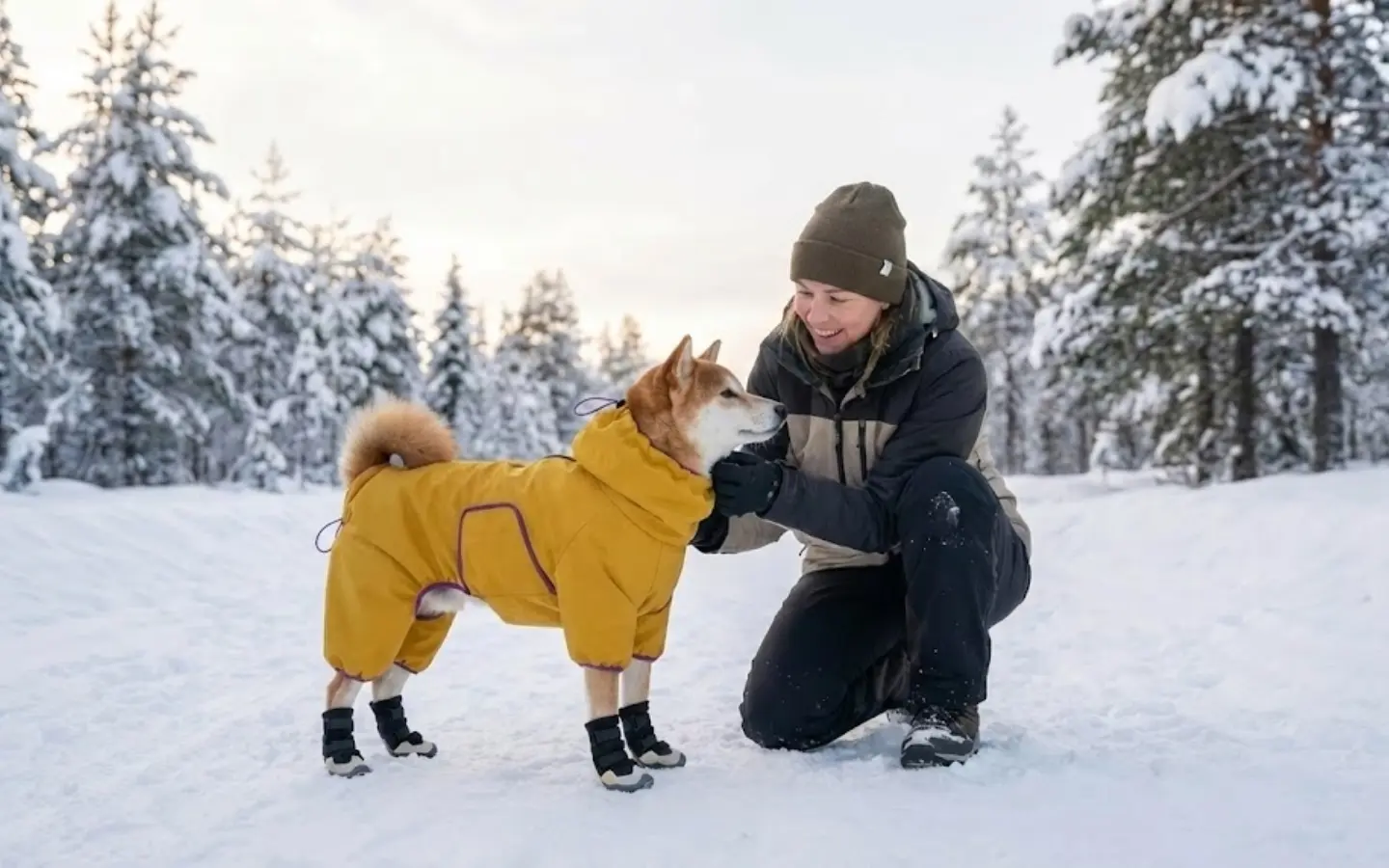
Maintaining Outdoor Dog Warmth Scarves: Material Care Guide
When it comes to keeping your dog cozy during outdoor adventures, a well-maintained warmth scarf is essential. The right care ensures the material stays soft, insulating, and free from damage, providing your pet with comfort in cold weather. Here’s how to properly care for different materials commonly used in outdoor dog warmth scarves.
Natural Fiber Scarves: Wool and Fleece
Natural fibers like wool and fleece are popular for their warmth and breathability, but they require specific care to maintain their quality.
Wool Scarves: Gentle Cleaning and Storage
Wool is excellent at retaining heat but can shrink or felt if not washed correctly. Always check the care label, but generally, hand-washing in cool water with a mild, pet-safe detergent is best. Avoid wringing or twisting the scarf, as this can distort its shape. Instead, gently press out excess water and lay it flat to dry away from direct heat or sunlight, which can cause fading or weakening of the fibers.
Fleece Scarves: Preventing Pilling and Static
Fleece is durable and quick-drying, making it ideal for active dogs. However, it’s prone to pilling and static buildup. To minimize pilling, wash fleece scarves inside out in a gentle cycle with cold water. Skip fabric softeners, as they can reduce the material’s moisture-wicking properties and increase static. After washing, air-dry the scarf to maintain its softness and prevent shrinkage.
Storing Natural Fiber Scarves
Before storing wool or fleece scarves, ensure they’re completely dry to prevent mold or mildew. Fold them neatly and place them in a breathable storage bag or drawer. Avoid plastic containers, as they can trap moisture and damage the fibers over time.
Synthetic Fiber Scarves: Polyester and Acrylic
Synthetic materials like polyester and acrylic are lightweight, affordable, and often machine-washable, but they still need proper care to last.
Polyester Scarves: Machine-Washing Basics
Polyester is highly durable and resistant to wrinkles and shrinking. Most polyester dog scarves can be machine-washed on a gentle cycle with cold water. Use a mild detergent and avoid bleach, which can weaken the fibers. Tumble dry on low heat or air-dry to prevent static and maintain the scarf’s shape.
Acrylic Scarves: Avoiding Heat Damage
Acrylic mimics wool’s warmth but is more resistant to moths and moisture. However, it can melt or become misshapen under high heat. Always wash acrylic scarves in cool water and air-dry them flat. If you must use a dryer, choose the lowest heat setting and remove the scarf promptly to avoid overheating.
Reducing Odor Buildup in Synthetics
Synthetic fibers can trap odors from outdoor activities. To freshen them up, add a cup of white vinegar to the rinse cycle during washing. The vinegar helps neutralize odors without leaving a residue. Alternatively, hang the scarf outside for a few hours to air out between washes.
Blended Material Scarves: Combining Benefits
Many outdoor dog scarves use blended materials to combine the strengths of natural and synthetic fibers. These require tailored care to preserve their unique properties.
Identifying Blended Materials
Check the care label to understand the blend’s composition. Common blends include wool-polyester or cotton-acrylic, which offer warmth, durability, and ease of care. Treat blended scarves according to the most delicate fiber in the mix—for example, if a blend contains wool, prioritize gentle hand-washing over machine-washing.
Washing Blended Scarves
For blended scarves, use cold water and a mild detergent to prevent damage to sensitive fibers. Avoid harsh scrubbing or wringing, as this can cause pilling or stretching. If the blend includes stretchy materials like spandex, lay the scarf flat to dry to maintain its elasticity.
Addressing Specific Issues in Blends
Blended materials may develop static or pilling over time. To combat static, rub a dryer sheet lightly over the scarf after drying (if using a dryer on low heat). For pilling, use a fabric shaver or a disposable razor to gently remove fuzz, being careful not to cut the fabric.
Special Considerations for Outdoor Use
Outdoor conditions expose dog scarves to dirt, moisture, and wear, so additional care steps can prolong their lifespan.
Spot-Cleaning Between Washes
For minor dirt or mud stains, spot-clean the scarf with a damp cloth and a small amount of mild detergent. This reduces the need for frequent full washes, which can wear out the material faster. Allow the spot-cleaned area to air-dry completely before reuse.
Protecting Against Moisture
If your dog’s scarf gets wet during outdoor activities, dry it as soon as possible to prevent mildew or odor. Use a towel to blot excess moisture, then hang the scarf in a well-ventilated area. Avoid leaving it in a damp backpack or pocket, as trapped moisture can damage the fibers.
Inspecting for Wear and Tear
Regularly check the scarf for signs of damage, such as frayed edges, holes, or weakened seams. Repair small tears with a needle and thread or fabric glue to prevent them from worsening. If the scarf shows significant wear, consider replacing it to ensure your dog stays warm and safe.
By following these material-specific care tips, you can keep your dog’s outdoor warmth scarf in excellent condition, providing reliable comfort during chilly walks, hikes, or playtime. Proper maintenance not only extends the scarf’s lifespan but also ensures your pet stays cozy and protected in any weather.