

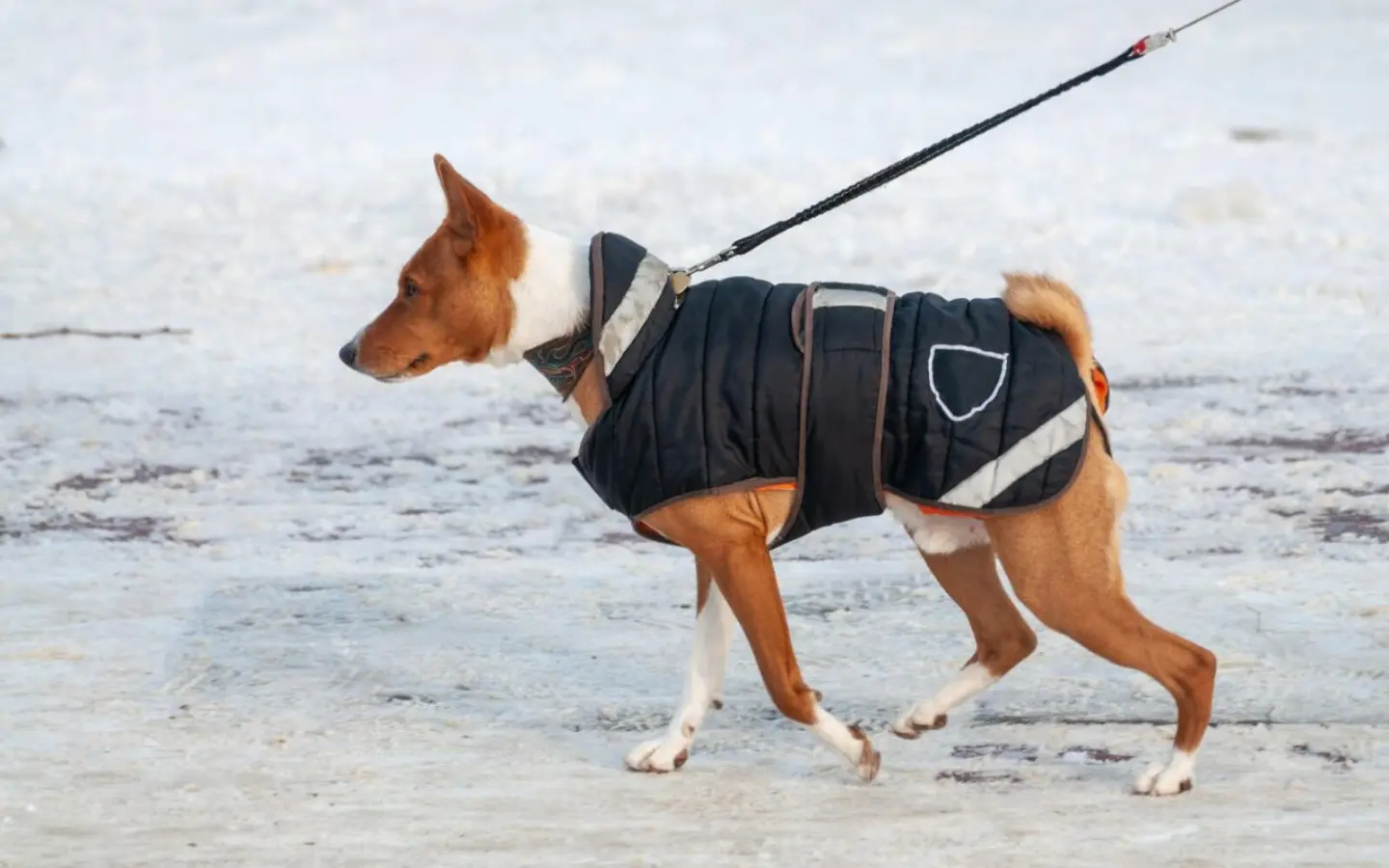
The Impact of Dog Neck Circumference on Raincoat Collar Sizing: A Comprehensive Guide
Neck circumference is a critical yet often overlooked factor in selecting a well-fitting dog raincoat. Unlike chest or back length, which dominate sizing discussions, neck size directly influences comfort, mobility, and the raincoat’s ability to stay secure during movement. A collar that’s too tight can restrict breathing or cause chafing, while one that’s too loose may let water seep in or allow the coat to slip off. Understanding how neck circumference interacts with raincoat design ensures your dog stays dry and comfortable in wet conditions.
Why Neck Circumference Matters More Than You Think
A dog’s neck serves multiple functions: supporting the head, facilitating breathing, and enabling a wide range of motion. A poorly fitted raincoat collar can interfere with all three, leading to discomfort or even health issues.
- Breathing Restrictions: Dogs with short muzzles (brachycephalic breeds like Bulldogs or Pugs) or those prone to respiratory issues are particularly sensitive to collar tightness. Even a slight constriction can exacerbate breathing difficulties, especially during exertion.
- Chafing and Irritation: Constant friction from a too-tight collar can cause hair loss, redness, or sores, particularly around the neck and behind the ears. This is common in breeds with thin skin or minimal fur, such as Greyhounds or Whippets.
- Security and Functionality: A loose collar allows the raincoat to shift during movement, exposing the chest or back to rain. For active dogs, this can defeat the purpose of wearing a raincoat entirely.
- Layering Challenges: If your dog wears a harness or collar underneath the raincoat, the collar must accommodate both layers without becoming uncomfortably tight.
How to Measure neck circumference accurately
Precision is key when measuring neck circumference, as even a small error can lead to an ill-fitting collar. Follow these steps to ensure accuracy:
- Use a Flexible Tape Measure: Avoid rigid rulers or measuring tapes that don’t conform to the neck’s natural curve. A soft, fabric tape measure is ideal.
- Position the Measurement Correctly: Wrap the tape around the base of the neck, where the collar would naturally sit. This is typically just below the jawline and above the shoulders.
- Allow for Comfort: Ensure the tape is snug but not tight. You should be able to slide two fingers between the tape and your dog’s neck. This gap accounts for breathing room and movement.
- Measure Multiple Times: Take two or three measurements to account for variations in posture or breathing. Use the largest value to determine the correct collar size.
- Compare to Raincoat Specifications: Most manufacturers provide a neck circumference range for each size (e.g., “Small: 12–16 inches”). Choose a size where your dog’s measurement falls near the middle of the range to allow for adjustments.
Adjustable vs. Fixed Collars: Which Works Best for Your Dog’s Neck?
Raincoats come with varying collar designs, each suited to different neck shapes and sizes. Understanding the pros and cons of each helps you make an informed choice.
- Adjustable Collars with Velcro or Buckles: These offer the most flexibility, allowing you to customize the fit to your dog’s neck circumference. They’re ideal for growing puppies, dogs with irregular neck shapes, or breeds prone to weight fluctuations.
- Elastic Collars: Some raincoats feature elasticized necklines that stretch to accommodate different sizes. While convenient, elastic can lose its shape over time, leading to a loose fit. Check the elastic’s condition regularly and replace the raincoat if it becomes stretched out.
- Fixed Collars with Openings for Harnesses: If your dog wears a harness under their raincoat, look for designs with a harness hole or a split collar that sits below the harness straps. This prevents the collar from pressing uncomfortably against the harness.
- High-Cut or Stand-Up Collars: These provide additional protection against wind and rain but require precise sizing to avoid chafing. They’re best suited for breeds with long necks, such as Greyhounds or Afghan Hounds.
Breed-Specific Considerations for Neck Circumference and Collar Fit
Different breeds have distinct neck structures that influence how a raincoat collar should fit. Tailoring your choice to your dog’s breed ensures optimal comfort and functionality.
- Brachycephalic Breeds (e.g., French Bulldogs, Boston Terriers): These dogs have short, thick necks with minimal muscle definition. Avoid high-cut collars that press against the throat, as they can restrict breathing. Opt for adjustable, low-profile designs with soft, padded edges.
- Sighthounds (e.g., Greyhounds, Whippets): With their long, slender necks, sighthounds need collars that sit high on the neck without slipping down. Look for raincoats with elastic or adjustable collars that can be tightened securely without digging into the skin.
- Giant Breeds (e.g., Great Danes, Mastiffs): These dogs often have thick, muscular necks that require spacious collars. Choose raincoats with wide, adjustable neckbands that distribute pressure evenly and prevent chafing.
- Toy Breeds (e.g., Chihuahuas, Pomeranians): Small dogs have delicate necks that are prone to irritation. Avoid stiff materials or tight collars, and prioritize soft, lightweight fabrics with gentle fastenings like Velcro or snap buttons.
Testing the Collar Fit Before Venturing Out in the Rain
Even with careful measurements, testing the raincoat collar in a dry environment is essential to confirm comfort and security.
- Observe Breathing and Movement: Have your dog wear the raincoat for a few minutes while indoors. Watch for signs of distress, such as rapid breathing, coughing, or attempts to remove the coat. Adjust the collar if needed.
- Check for Chafing: Run your fingers along the inside of the collar to feel for rough seams or edges. Look for redness or hair loss on your dog’s neck after wearing the raincoat briefly.
- Simulate Outdoor Activity: Encourage your dog to walk, run, or play while wearing the raincoat. Ensure the collar stays in place without shifting upward or downward, which could expose the neck to rain or cause discomfort.
- Layering Test: If your dog wears a harness or collar underneath the raincoat, verify that the collar fits comfortably over both layers. The raincoat’s collar should not press the harness into the skin or restrict movement.
When to Re-Measure Neck Circumference
A dog’s neck size can change due to weight gain, age, or health conditions. Re-measure neck circumference annually or whenever you notice:
- Weight Fluctuations: Even a small gain or loss can affect collar fit. A coat that was once snug may become loose or tight, compromising comfort or security.
- Age-Related Changes: Puppies grow rapidly, while senior dogs may lose muscle tone in their necks. Adjust the raincoat collar accordingly to accommodate these changes.
- Post-Surgery or Recovery: Dogs recovering from spaying, neutering, or other procedures may experience temporary swelling or changes in body shape. Re-measure neck circumference during this period to ensure the collar remains comfortable.
- Seasonal Coat Changes: Dogs with thick double coats (like Huskies) may require a looser collar in winter to accommodate their fur, while a tighter fit might work in summer after shedding.
By prioritizing neck circumference as a key factor in raincoat sizing and adapting to your dog’s unique anatomy, you can ensure their collar stays comfortable, secure, and functional in any weather. Regularly reassess fit and remain flexible with adjustable designs to accommodate life’s changes.