

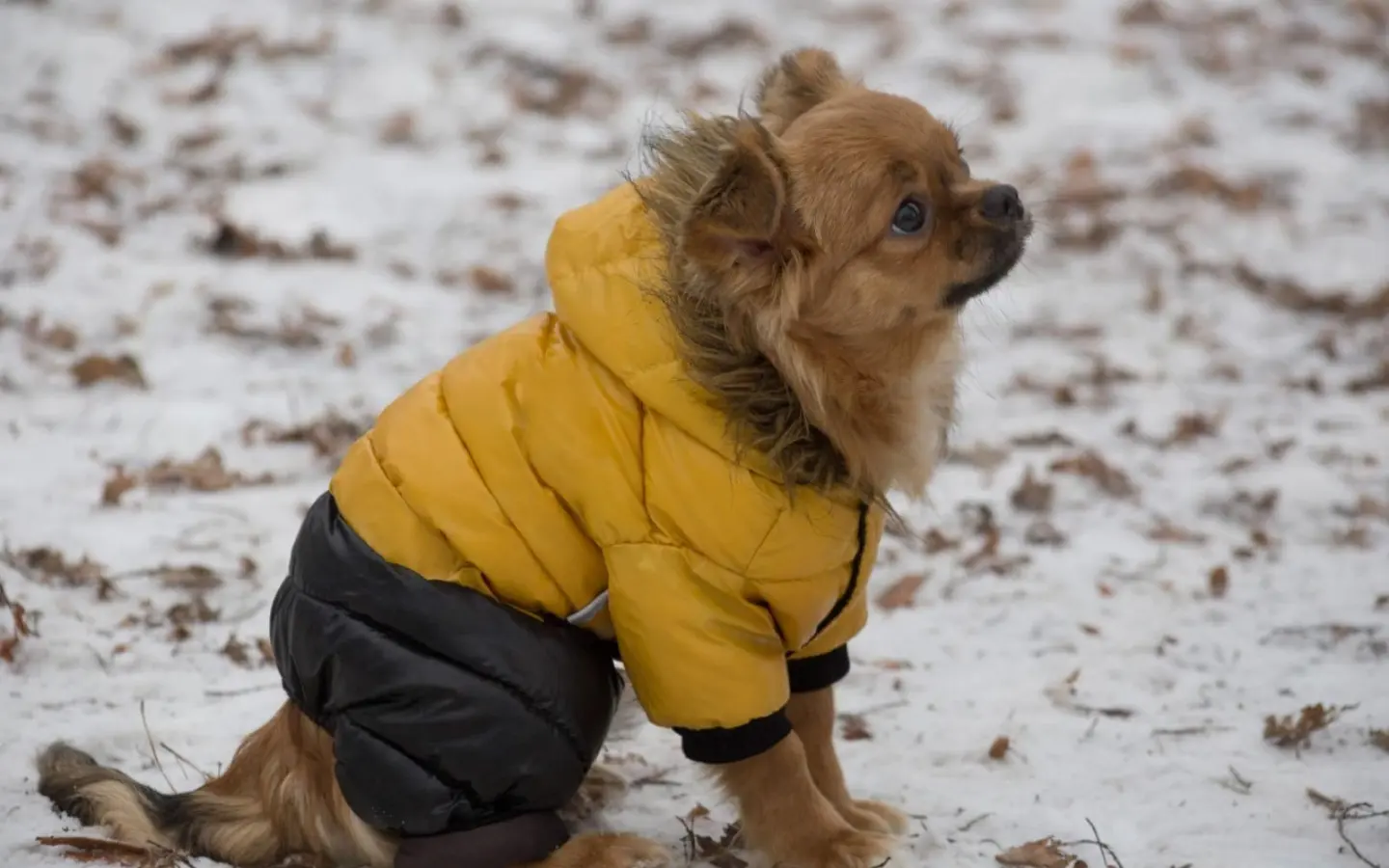
Restoring Your Dog’s Raincoat After Exposure to Industrial Pollution: A Detailed Cleaning Guide
Industrial areas expose your dog’s raincoat to toxic chemicals, heavy metals, oil residues, and particulate matter like soot or dust. These contaminants not only stain the fabric but also pose health risks if inhaled or ingested by your pet. Proper cleaning requires neutralizing harmful substances while preserving the raincoat’s waterproofing and structural integrity. Here’s how to tackle post-industrial cleanup safely.
Initial Assessment: Identifying Contaminants and High-Risk Areas
Before cleaning, inspect the raincoat under bright light to identify visible stains, oily residues, or discoloration. Common industrial pollutants include oil splatters from machinery, soot from factories, or chemical drips from equipment. Pay close attention to seams, folds, and cuffs, where contaminants accumulate due to friction or contact with surfaces. Check the hood, collar, and leg openings, as these areas are more likely to trap airborne particles during movement.
If the raincoat has a reflective trim or printed logos, examine them for fading or peeling caused by chemical exposure. Test a small, inconspicuous area with water to see if stains smear or spread, indicating water-soluble vs. oil-based pollutants. This assessment helps tailor your cleaning approach—for example, oil requires degreasing agents, while chemical residues might need neutralization.
Dry Cleaning: Removing Loose Particulate Matter Without Water
Water can react with certain industrial chemicals, creating toxic fumes or embedding stains deeper into the fabric. Start by shaking the raincoat outdoors to dislodge loose soot, dust, or powdered contaminants. Use a vacuum cleaner with a brush attachment on low suction to gently lift particles from the surface, focusing on seams and textured areas. Avoid pressing the brush too hard, as this can grind contaminants into the material.
For stubborn residues like dried chemical splatters, scrape them off carefully with a plastic spatula or the edge of a credit card. Wear gloves and a mask to avoid direct contact with harmful substances. If the raincoat has a fleece lining, detach it and shake or vacuum separately to prevent cross-contamination. Turn the raincoat inside out and repeat the process to target particles trapped in inner layers or pockets.
Degreasing and Neutralizing Oil-Based and Chemical Contaminants
Oil residues from industrial machinery or lubricants require a degreasing agent to break down their molecular structure. Mix a small amount of mild dish soap (pH-neutral) with lukewarm water and apply it to oily stains using a soft cloth. Gently dab the area without rubbing, as friction can spread the oil. For stubborn grease, create a paste using baking soda and water, let it sit for 10–15 minutes, then rinse with cool water.
Chemical contaminants like acids or solvents need neutralization to prevent fabric degradation. If the raincoat was exposed to acidic substances (e.g., battery acid), rinse the affected area with a solution of 1 tablespoon baking soda per liter of water to neutralize the pH. For alkaline chemicals (e.g., cement dust), use a vinegar-water solution (1:3 ratio) instead. Always test these solutions on a hidden spot first to ensure they don’t damage the fabric or waterproof coating.
Deep Rinsing and Drying to Eliminate Residual Contaminants
After treating stains, rinse the raincoat thoroughly under running water to remove soap, neutralizing agents, and loosened contaminants. Use lukewarm water to avoid shocking the fabric or melting adhesive seams. Pay special attention to zippers, buckles, and Velcro closures, where chemicals might linger. If the raincoat has a waterproof membrane, avoid high-pressure hoses, as they can force water through the seams and compromise integrity.
To dry, lay the raincoat flat on a clean towel in a well-ventilated area away from direct sunlight or heat sources. High temperatures can reactivate chemical residues or warp plastic components. Ensure the fabric is completely dry before storing it, as dampness trapped in folds or pockets promotes mold growth and odor retention. If the raincoat has a removable lining, dry it separately to prevent moisture from seeping back into the outer layer.
By following these steps, you can safely remove industrial pollutants from your dog’s raincoat while maintaining its protective features. Regular post-exposure cleaning minimizes health risks and extends the garment’s lifespan in harsh environments.