

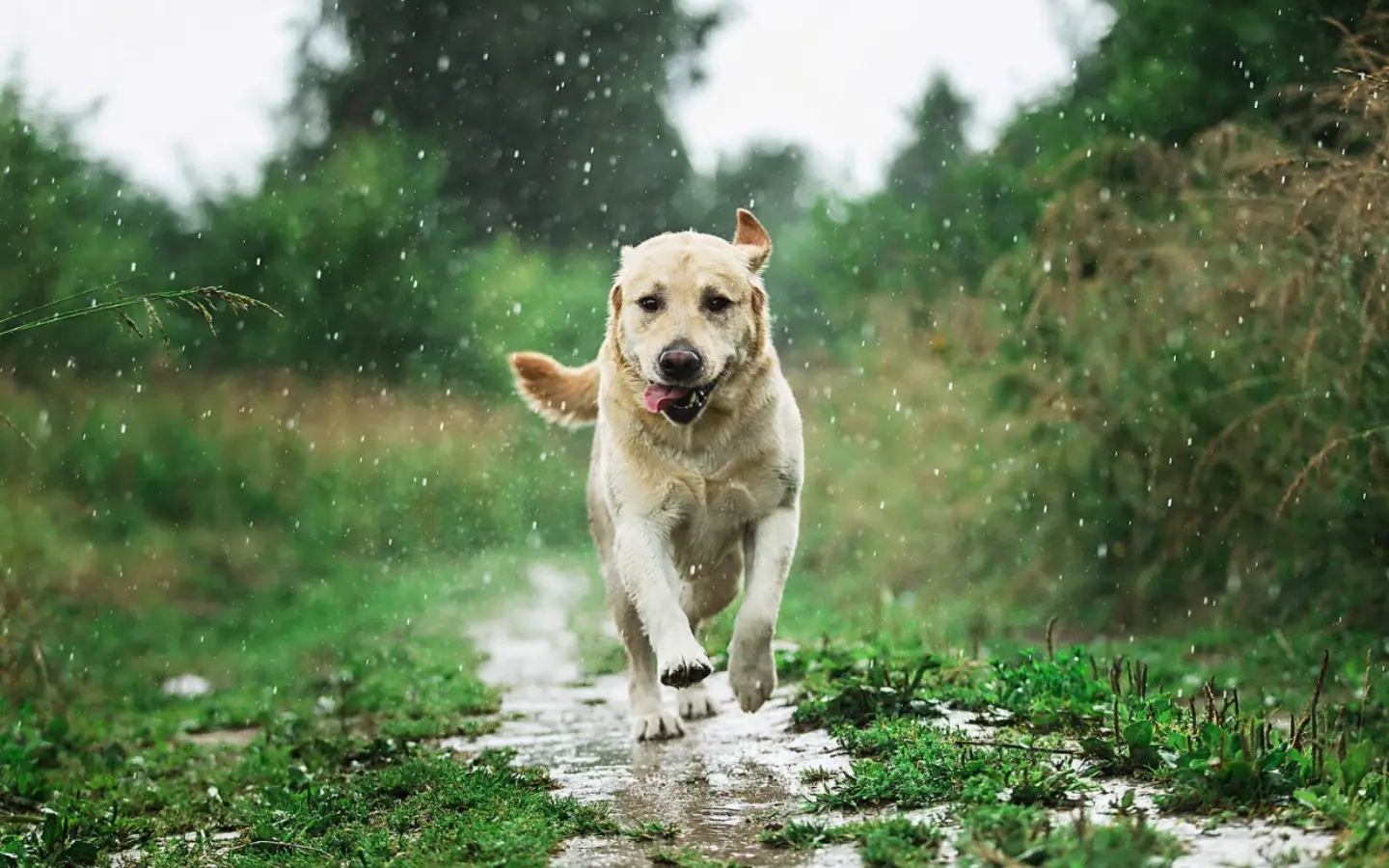
First, preventive measures for muddy sections
Avoid high-risk areas:
Give priority to choosing hardened roads (such as flagstone roads and asphalt roads), and avoid muddy field ridges and construction sites.
Use map software to check real-time traffic conditions and avoid waterlogged and muddy sections.
Control the walking speed
Walking slowly can reduce the splashing of mud and lower the degree of contamination on the surface of raincoats.
Avoid the dog running or rolling in the mud.
Check the raincoat regularly:
Check the seams and hems of the raincoat every 10 minutes and clean up the accumulated mud in time.
If mud is found seeping in, immediately remove the raincoat and clean the skin.
Second, emergency handling of muddy sections
1. Quick on-site cleaning
Tool preparation:
Portable water bottle (for warm water), cleaning wipes, plastic bags (for dirt).
Operation steps:
Foot mat cleaning: Wipe the foot mat with a damp wipe, focusing on removing the mud between the toes.
Surface treatment of raincoats: Scrape off the mud from bottom to top to prevent mud from seeping into the seams.
Abdominal protection: Separate the raincoat from the skin with a dry towel to prevent contact with mud.
Temporary storage: Fold the contaminated raincoat into a plastic bag to prevent secondary pollution.
2. Thoroughly clean after returning home
Raincoat cleaning
Step:
Soaking: Soak in warm water and pet-specific detergent for 15 minutes to soften the mud.
Scrubbing: Use a soft-bristled brush to gently scrub stubborn stains such as seams and hems.
Rinse: Rinse repeatedly until there is no foam and avoid detergent residue.
Drying: Hang in a cool and well-ventilated place to avoid direct sunlight which may cause material aging.
Notes:
Machine washing is prohibited (it may damage the waterproof layer).
The use of bleach (to corrode the material of raincoats) is prohibited.
Skin care
Check if there is any redness, swelling or ulceration on the skin and apply a special antibacterial ointment for pets.
Rinse sensitive areas such as the abdomen and armpits with warm water to prevent mud residue.
Third, long-term prevention and maintenance strategies
Regular maintenance of raincoats:
Check the seams and waterproof strips of the raincoat every week and repair any damage in time.
Enhance the anti-fouling Performance with waterproof sprays (such as Grangers Performance Repel) every quarter.
Dog skin care
Trim the hair on the floor MATS before the rainy season to reduce the risk of mud getting stuck.
Check the insoles and the Spaces between the toes every day. Deal with any redness or swelling immediately.
Route training
Train the dog to avoid muddy areas (such as by using the “Leave” command).
Simulate a muddy environment in the safe area and conduct desensitization training.
Fourth, a guide to avoiding pitfalls
Incorrect cleaning method:
High-pressure water gun rinsing raincoats: Damages the waterproof layer, causing water seepage.
Washing the mud with hot water: It causes the proteins in the mud to coagulate, making it more difficult to remove.
Direct exposure to the sun on raincoats: Accelerates material aging and shortens service life.
Misunderstandings in Choosing raincoats:
Solid-color raincoats: They look dirty after being contaminated by mud, making it difficult to judge their cleanliness.
Seamless raincoats: They do not actually exist. Special attention should be paid to the treatment of seams.