

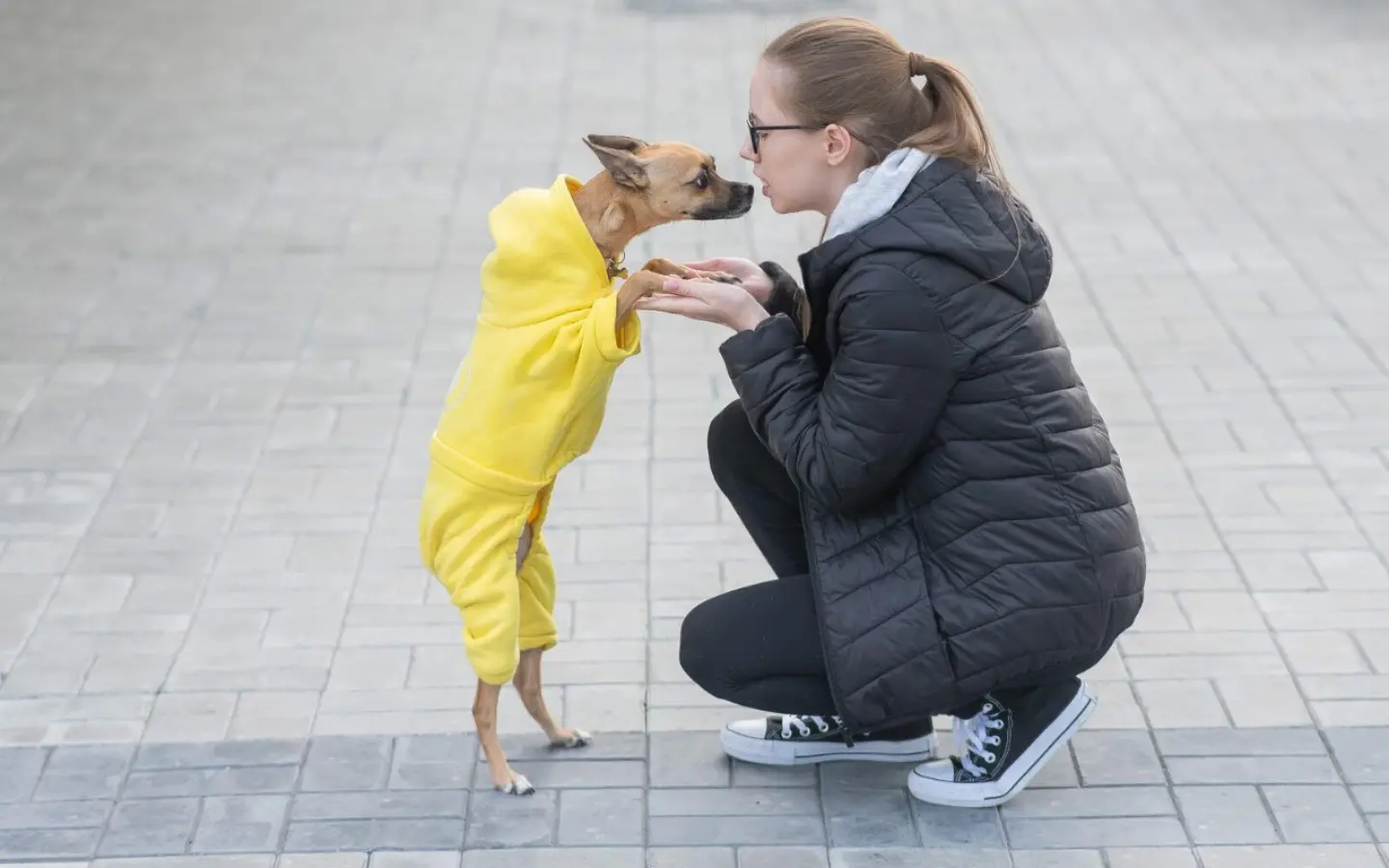
Enhancing Coordination Between Dogs in Raincoats and Their Owners During Interactions
When dogs wear raincoats during interactions with their owners—whether it’s training, playtime, or daily routines—their ability to cooperate can be influenced by the gear’s practicality and their comfort level. Raincoats, while protective, may introduce sensory distractions or physical constraints that require adjustments from both the dog and the owner. Here’s how to foster strong teamwork and responsiveness in these scenarios.
Sensory Adjustments: Overcoming Distractions from the Raincoat
Raincoats often alter a dog’s sensory experience. The fabric’s rustling sound, altered tactile feedback, or restricted movement can momentarily disrupt their focus during interactions. For example, a dog accustomed to responding to hand signals might hesitate if the raincoat muffles visual cues or shifts their attention to the unfamiliar noise.
To address this, owners can gradually desensitize their dogs to the raincoat. Start by introducing the coat in a low-stress environment, like indoors, and pair it with positive experiences (e.g., treats, play, or gentle petting). Once the dog associates the raincoat with rewards, practice basic commands—such as “sit,” “stay,” or “come”—while they wear it. This helps them refocus on the owner’s cues despite the gear’s presence.
Physical Comfort: Ensuring Mobility and Ease
A poorly fitting or cumbersome raincoat can hinder a dog’s ability to move freely, affecting their willingness to engage in activities like fetching, walking, or agility drills. Dogs may resist interacting if the coat restricts their stride, rubs uncomfortably, or traps heat.
Owners should prioritize a raincoat that fits snugly but allows full range of motion. Check for areas where the fabric might bunch or chafe, such as under the armpits or around the neck. If the dog shows signs of discomfort (e.g., excessive scratching, biting at the coat, or reluctance to move), adjust the fit or opt for a lighter, more breathable material. A comfortable dog is more likely to stay attentive and cooperative during interactions.
Training Reinforcement: Strengthening Commands and Cues
Consistency is key when training a dog to interact effectively while wearing a raincoat. Use clear, concise commands and reward prompt responses. For instance, if practicing recall (“come”) in the rain, call the dog’s name enthusiastically and reward them with praise or a treat when they approach. Avoid repeating commands, as this can dilute their meaning.
Owners should also adapt their training style to the environment. In wet or windy conditions, dogs may struggle to hear verbal cues. Supplement verbal commands with hand signals or visual markers (like a flashlight beam at night) to reinforce understanding. Over time, the dog will learn to associate these cues with the desired action, even when distracted by the raincoat or weather.
Play and Bonding: Turning Gear into a Shared Experience
Raincoats don’t have to hinder playtime—they can even become part of the fun! Incorporate the coat into interactive games, like hide-and-seek or tug-of-war, to help the dog view it as a positive addition to their routine. For example, hide treats under the coat and encourage the dog to “find” them, rewarding their curiosity and problem-solving.
During walks or outdoor adventures, use the raincoat as an opportunity to explore new sensory experiences. Let the dog sniff puddles, listen to raindrops, or feel the wind—all while wearing the coat. This helps them associate the gear with exciting adventures, strengthening their bond with the owner and willingness to cooperate.
Emotional Resilience: Building Trust in Challenging Conditions
Wearing a raincoat in unfamiliar or stressful situations (like thunderstorms or heavy rain) can test a dog’s trust in their owner. If the dog seems anxious or hesitant, focus on calming techniques, such as slow, deep breathing or gentle massage. Avoid forcing interactions—instead, let the dog set the pace and reward small steps toward engagement.
For example, if the dog cowers during a storm but eventually approaches for a treat, praise them warmly. This positive reinforcement builds confidence and reinforces the idea that the owner is a source of safety, even when wearing the raincoat. Over time, the dog will learn to rely on the owner’s guidance, regardless of external factors.
Conclusion: Nurturing Collaboration Through Understanding and Adaptability
A dog’s cooperation while wearing a raincoat hinges on their comfort, the owner’s patience, and mutual trust. By addressing sensory distractions, ensuring physical ease, reinforcing training, and embracing play, owners can turn rainy-day gear into a tool for deeper bonding. Remember, every interaction is an opportunity to strengthen your partnership—rain or shine.