

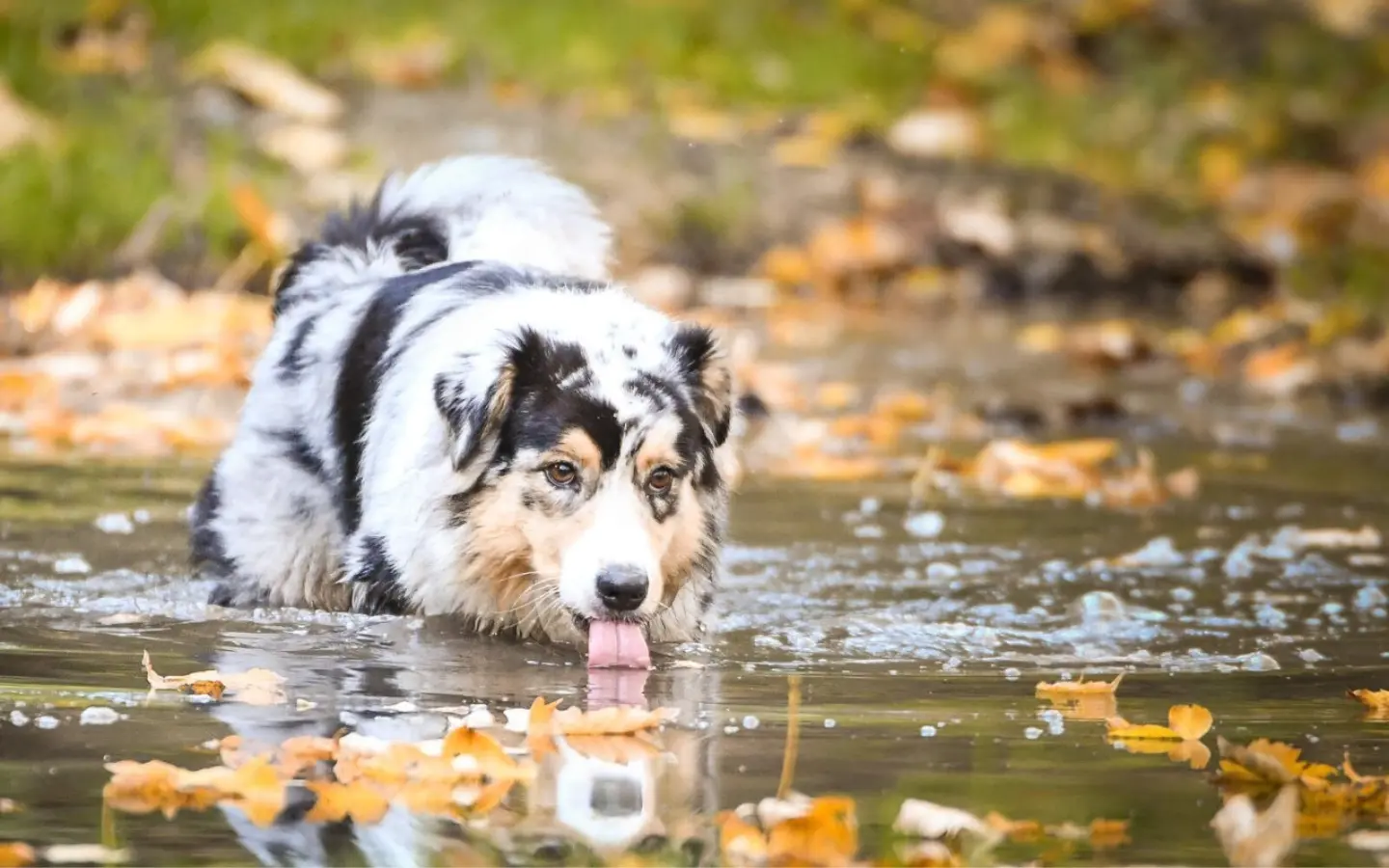
Analysis of the Convenience of dogs wearing raincoats eating and drinking Outdoors
In rainy days or damp environments, dogs wearing raincoats to eat and drink may encounter problems such as restricted movement, easy contamination of food/water bowls, and inconvenience in operation. The following provides solutions from three aspects: raincoat design, feeding tool selection, and operation skills to ensure that dogs can safely and comfortably replenish energy outdoors.
First, the impact of raincoats on eating and drinking
Action interference
Restricted head movement: The brim or collar of the raincoat may block the view or rub against the mouth and nose, causing discomfort when the dog lowers its head to eat.
Obstruction of forelimb movement: Partial raincoats cover the chest or abdomen, restricting the dog from using its front PAWS to adjust the position of the food bowl or to pull food.
Hygiene issues
Raincoat contaminated with dirt: When eating, the raincoat may come into contact with the muddy water on the ground, contaminating the food or the edge of the water bowl.
Wet hair: Water dripping from the edge of a raincoat or a dog licking it can wet the facial hair, increasing the risk of catching a cold.
Tool adaptability
Ordinary food bowls are prone to toppling over: On slippery ground or when the dog is impatient, ordinary food bowls may be knocked over, resulting in food waste.
The operation of water dispensers is complex: Traditional water bowls require one to lower their head to drink water, and raincoats may interfere with head movements, increasing the risk of choking.
Second, solutions for enhancing convenience
1. Raincoat design optimization
Choose the style without a brim or with a detachable brim: This avoids the brim blocking your view and reduces the friction on your mouth and nose when eating.
Loose neckline design: Ensures free neck movement and prevents the raincoat neckline from pressing on the trachea or affecting swallowing.
Chest opening design: Choose a raincoat that can be opened and closed on the chest (such as Velcro or zipper styles), which is convenient for the dog to use its front PAWS to assist in eating.
2. Operation skills and precautions
Adjust the raincoat before eating: Unzip the Velcro or zipper on the chest to allow the dog’s forelimbs to move freely. Roll up or secure the hem of the raincoat to prevent it from getting muddy or wet.
Choose dry areas: Give priority to eating under rain shelters, eaves or dry ground to reduce food/water bowl contamination.
Feed in small amounts in several portions: Avoid pouring a large amount of food at once to prevent the dog from choking and coughing due to being impatient to eat because of the raincoat.
Wipe the dog’s mouth and nose after drinking water: Gently wipe the dog’s face with an absorbent towel to prevent skin problems caused by rainwater or water residue.
Third, long-term adaptability suggestions
Raincoat desensitization training
Simulate the feeding scene at home to help the dog adapt to the feeding action in the presence of a raincoat and gradually increase the wearing time.
Cultivation of tool habits
Let the dog get familiar with anti-tipping food bowls, hanging water dispensers and other tools in advance to avoid resistance due to temporary replacement in rainy days.
Health monitoring
After eating on a rainy day, check if your dog’s mouth and nose are red and swollen and if its fur is tangled. Adjust the way the raincoat or tools are used in time.
Summary
By optimizing the design of raincoats, choosing dedicated tools and mastering operation skills, the convenience of outdoor eating and drinking for dogs wearing raincoats can be significantly improved. The owner needs to flexibly adjust the plan based on the dog’s size, personality and the style of the raincoat to ensure that it can safely and comfortably replenish energy even on rainy days.