

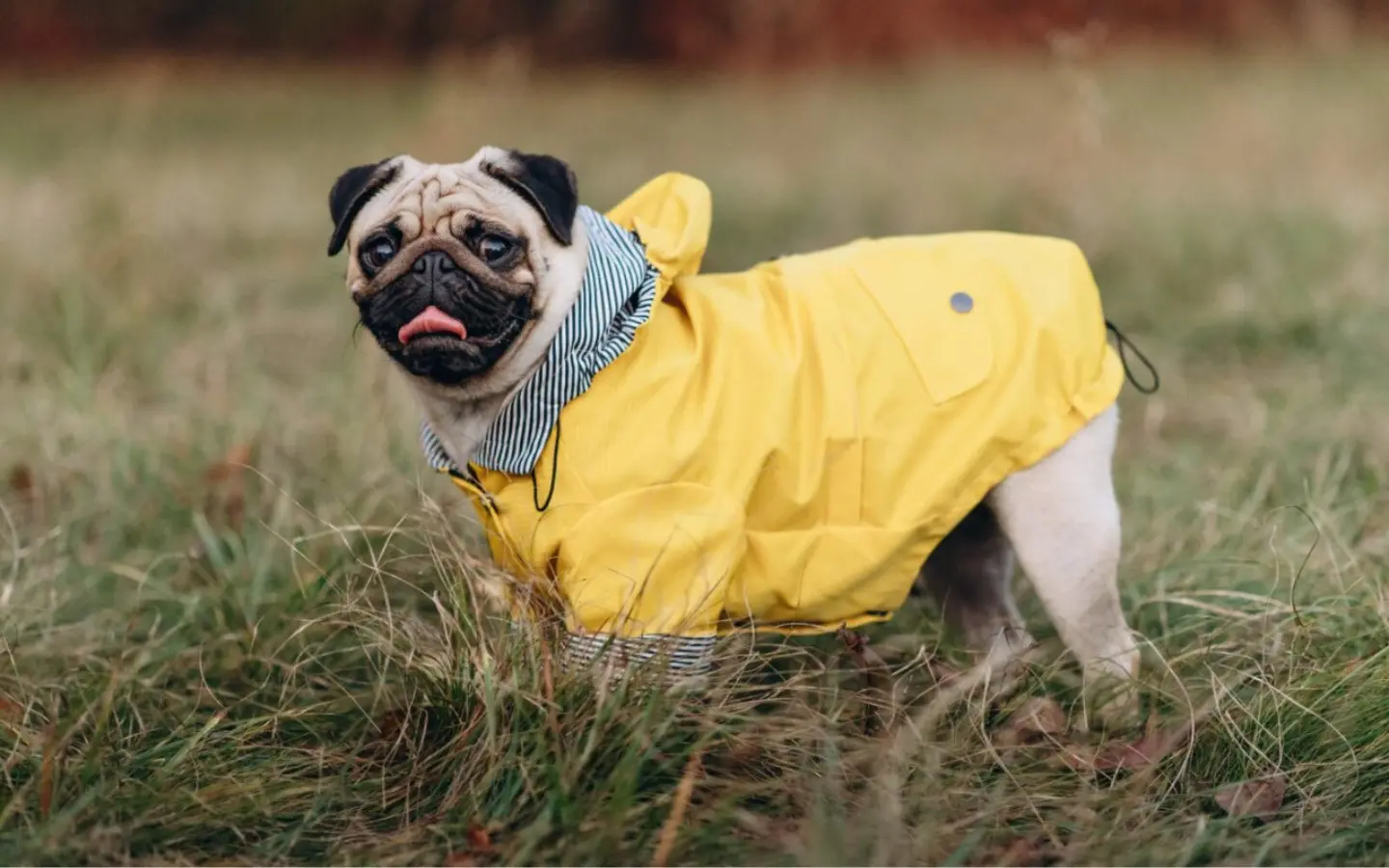
Effective Cleaning Strategies for Your Dog’s Raincoat After Sand-Heavy Outings
Sandy environments like beaches, deserts, or dry trails leave fine particles embedded in your dog’s raincoat, clinging to seams, zippers, and fabric folds. Unlike mud, sand doesn’t dissolve easily and can scratch surfaces or clog waterproof layers if not removed properly. Here’s how to restore the raincoat’s cleanliness without damaging its protective features.
Shaking and Brushing Off Loose Sand Particles
Start by taking the raincoat outdoors to avoid spreading sand indoors. Hold it by the hood or collar and shake it vigorously to dislodge loose grains. Pay attention to areas where sand accumulates, such as the hem, cuffs, and underbelly. For stubborn particles trapped in seams or folds, use a soft-bristled brush with dense bristles to sweep them away gently. Avoid stiff brushes, as they can push sand deeper into the fabric or scratch waterproof coatings.
If the raincoat has a fleece lining or removable layers, detach them and shake each piece separately. For sand stuck in Velcro closures, use your fingers or a wide-toothed comb to separate the hooks and loops, allowing trapped grains to fall out. Turn the raincoat inside out and repeat the shaking and brushing process to target sand hidden in inner pockets or lining crevices.
Using Compressed Air or a Blow Dryer to Remove Embedded Sand
Fine sand often settles into microscopic gaps in the fabric or hardware, making it hard to remove with brushing alone. A can of compressed air (commonly used for electronics cleaning) can dislodge these particles without introducing moisture. Hold the nozzle a few inches from the raincoat and use short bursts to blow sand out of seams, zipper teeth, and buttonholes. Focus on high-friction zones like the armpits and groin, where sand grinds against the fabric during movement.
If compressed air isn’t available, a cool-setting blow dryer works as an alternative. Keep the dryer on low heat to prevent melting plastic components or warping seams. Angle the nozzle to create a gentle breeze that lifts sand without forcing it deeper into the material. Move the dryer in sweeping motions across the surface, checking periodically to see if sand is visibly escaping. This method is particularly effective for drying the raincoat after rinsing while simultaneously removing residual particles.
Rinsing With Water to Eliminate Remaining Sand and Salt (If Applicable)
After dry cleaning, rinse the raincoat under lukewarm water to flush out lingering sand and any salt from coastal environments. Salt crystals attract moisture and degrade fabric over time, so this step is crucial for beach outings. Fill a basin with water and submerge the raincoat, swishing it gently to agitate the fabric. Use your fingertips to rub areas where sand feels gritty, such as the collar or leg openings.
For zippers and buckles, run water directly over them while opening and closing the mechanisms to dislodge sand trapped inside. If the raincoat has a waterproof membrane, avoid scrubbing vigorously, as this can wear down the coating. Instead, let the water pressure do the work. After rinsing, inspect the fabric under bright light to ensure no sand remains. Pat the raincoat dry with a microfiber towel, pressing gently to absorb moisture without rubbing sand back into the material.
Cleaning Zippers, Buckles, and Hardware to Prevent Sand-Induced Damage
Sand in zippers causes stiffness, misalignment, or even breakage over time. Use a damp cotton swab to clean between zipper teeth, moving in the direction of the track to avoid bending the metal. For plastic zippers, dip the swab in a mild soapy solution to dissolve salt residue. If the zipper is stuck, apply a pet-safe silicone-based lubricant after cleaning to ensure smooth operation.
Buckles and D-rings require careful attention to prevent sand from scratching surfaces or clogging moving parts. Rinse them under running water while flexing the plastic or metal to dislodge debris. Use a toothpick or plastic pick to remove sand from small crevices, avoiding metal tools that could leave marks. Dry hardware thoroughly with a cloth to prevent rust or corrosion, especially if the raincoat was exposed to saltwater.
By following these steps, you can eliminate sand from every layer of your dog’s raincoat, ensuring it stays functional, comfortable, and free from abrasive damage. Regular cleaning after sandy adventures preserves the garment’s integrity and extends its lifespan in rugged conditions.