

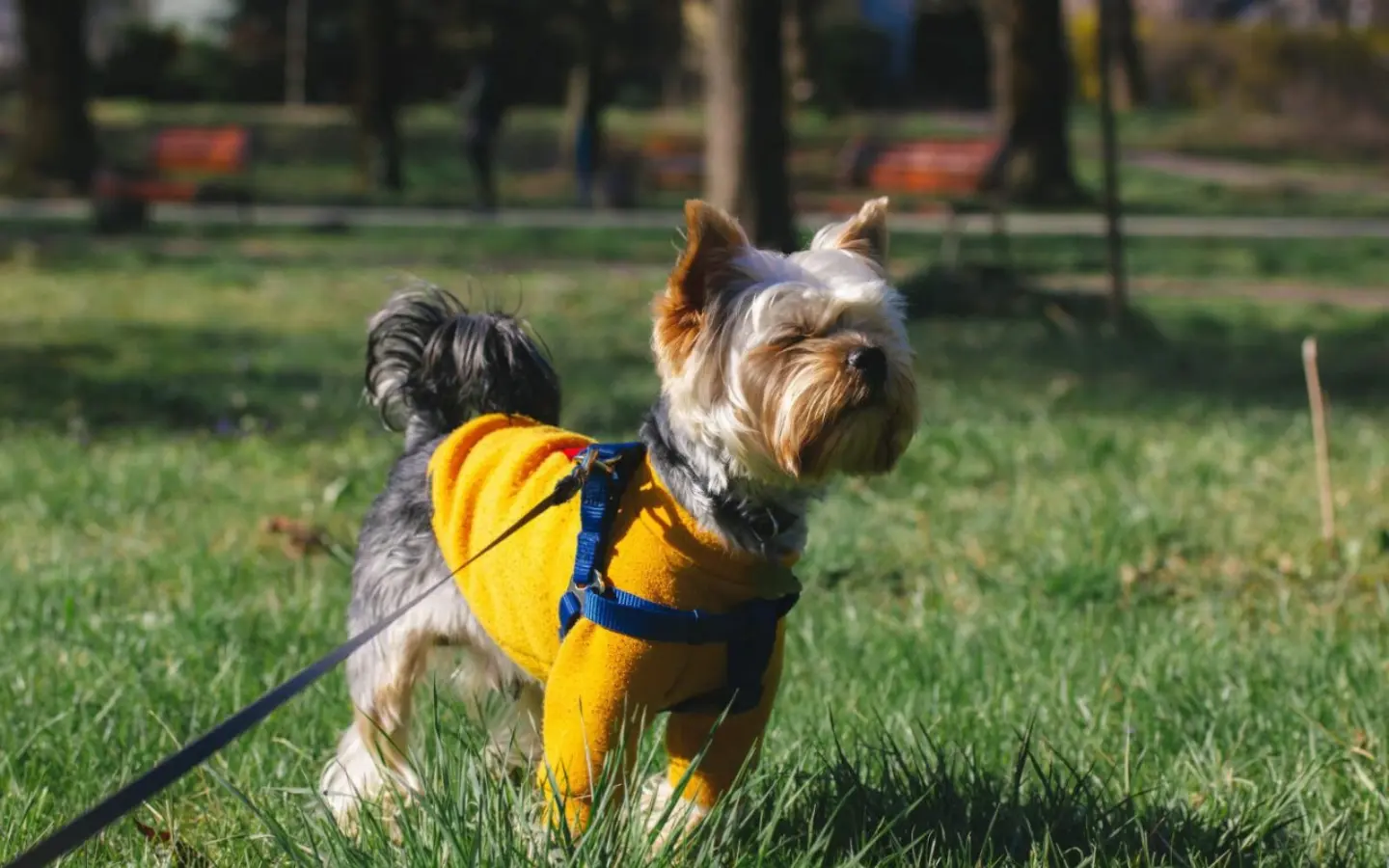
Clearing Blocked Ventilation Holes on Your Dog’s Raincoat
Proper airflow through a dog raincoat’s ventilation holes is essential to prevent overheating and moisture buildup. When these holes become clogged with dirt, mud, or debris, it compromises the garment’s breathability. Here’s how to restore airflow using simple, effective methods.
Identifying Blockages and Preparing Tools
Begin by inspecting the raincoat under bright light to locate clogged ventilation holes. These are often found near the back, under the belly, or along the sides, where dirt and sweat accumulate. Use a magnifying glass or smartphone camera zoom to spot tiny particles lodged in the mesh or fabric. Common blockages include dried mud, pet hair, pollen, or lint from rough surfaces.
Gather household tools like a soft-bristled toothbrush, a dry cotton swab, or a clean, unused paintbrush with fine bristles. For deeper cleaning, a can of compressed air (available at electronics stores) or a straw to create focused airflow can help dislodge stubborn debris. Avoid sharp objects like pins or tweezers, as these can damage the fabric or enlarge the holes.
Gentle Brushing and Air Blasting to Remove Surface Debris
Start by holding the raincoat taut over a flat surface to stabilize the area around the ventilation holes. Use the toothbrush or paintbrush to gently sweep away loose dirt, moving in one direction to avoid pushing debris further into the holes. For pet hair or lint, lightly dampen the brush with water to increase grip, then blot dry with a paper towel.
If the blockages persist, switch to compressed air or a straw. Hold the can or straw 2–3 inches away from the holes and spray short bursts of air to dislodge trapped particles. Angle the airflow to reach crevices around the edges of the holes. This method works well for dry, powdery dirt or sand. For raincoats with mesh inserts, place a piece of tape over the surrounding fabric to protect it from accidental damage during cleaning.
Deep Cleaning with Water and Mild Detergent for Stubborn Grime
For oily or sticky blockages, such as tree sap or food residue, mix a small amount of mild dish soap or castile soap with lukewarm water. Dip a cotton swab or soft cloth into the solution, wring it out, and dab the affected area. Avoid soaking the raincoat, as excessive moisture can weaken waterproof coatings. Instead, focus on the ventilation holes and their immediate surroundings.
Use a toothbrush to gently scrub the edges of the holes, working in circular motions to lift grime without fraying the fabric. Rinse the area by dabbing it with a cloth dampened in clean water, then pat dry with a towel. Let the raincoat air-dry completely before testing the airflow. If the holes are still obstructed, repeat the process or use a fine needle (carefully) to tease out debris from the center of the hole, moving from the inside out to prevent enlarging it.
Preventing Future Blockages Through Regular Maintenance
To reduce the frequency of clogs, incorporate ventilation hole care into your routine after each outdoor use. Shake the raincoat vigorously to remove loose dirt, then hang it in a well-ventilated area to dry completely. Avoid storing the raincoat in damp or dusty environments, as this accelerates debris accumulation.
For dogs that frequently explore muddy or wooded areas, consider applying a thin layer of fabric protector spray (designed for outdoor gear) to the exterior of the raincoat. This creates a barrier that makes dirt and grime easier to brush off. Always test such sprays on a small, inconspicuous area first to ensure compatibility with the material.
By addressing blocked ventilation holes promptly and maintaining the raincoat properly, you ensure your dog stays comfortable and dry during walks, hikes, or playtime in any weather.