

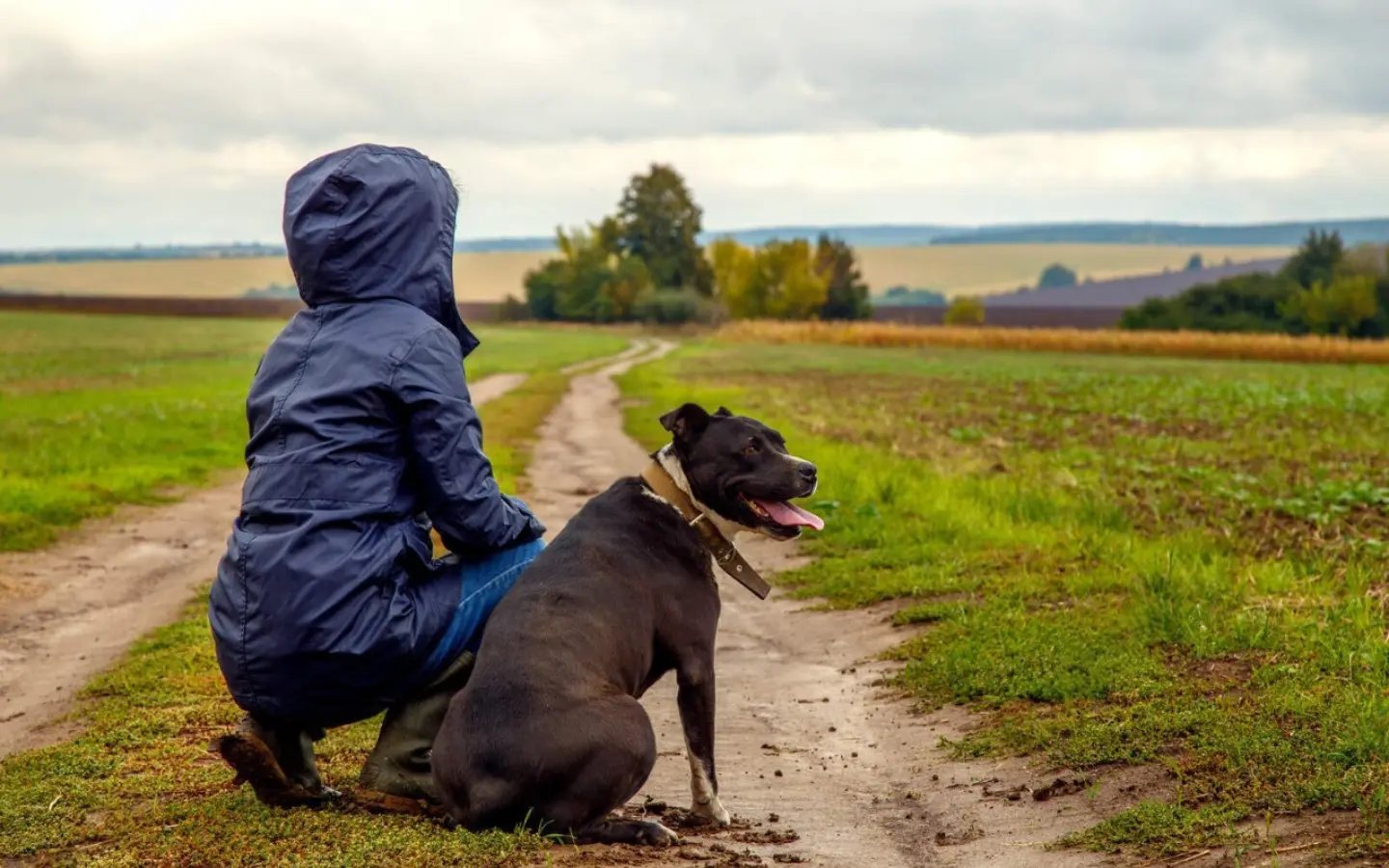
A Dog in a Raincoat: Navigating New Environments with Cautious Curiosity
When a dog dons a raincoat and steps into an unfamiliar space, their behavior becomes a fascinating blend of practicality and instinct. The raincoat, while shielding them from wet weather, also adds a layer of novelty to their sensory experience. Here’s how these four-legged explorers approach new territories with careful observation.
Sensory Adaptation: Adjusting to Unfamiliar Stimuli
Dogs rely heavily on their senses—sight, smell, and hearing—to interpret their surroundings. A raincoat can alter their tactile feedback, creating a slight disconnect between their body and the environment. For instance, the fabric’s rustle might initially distract them from subtle sounds like distant footsteps or rustling leaves.
To compensate, dogs often pause frequently, tilting their heads or lowering their bodies to focus on ground-level scents. This behavior helps them reconstruct a mental map of the area, even as the raincoat’s presence nudges them to rely more on smell than usual. The combination of visual cues and olfactory data allows them to gauge potential threats or rewards, such as the scent of other animals or familiar humans.
Body Language Cues: Signals of Caution and Confidence
A dog’s posture in a raincoat can reveal their internal state. A tucked tail, flattened ears, or hesitant steps often indicate wariness, especially if the environment includes loud noises (like traffic) or sudden movements. Conversely, a relaxed tail wag or a forward-leaning stance suggests they’re gradually acclimating to the novelty.
Owners might notice their dog sniffing the air more frequently or circling a spot before settling. These actions aren’t just random—they’re strategies to assess safety. For example, a dog might circle to check for hidden dangers or to mark their territory subtly, even if the raincoat muffles their usual scent signals.
Exploratory Patterns: Balancing Curiosity and Risk
In new environments, dogs often adopt a “step-and-pause” approach. They’ll venture a few feet, then freeze to observe reactions from their surroundings—whether it’s the echo of their own footsteps or the response of unfamiliar objects (like a swinging gate or a puddle’s ripple). This rhythm helps them build confidence incrementally.
Rainy weather adds complexity. Puddles might become obstacles or playthings, depending on the dog’s mood. Some may test the water with a paw before committing, while others might leap over them to avoid the raincoat’s hem getting wet. These decisions reflect their risk assessment skills, honed through past experiences and reinforced by their owner’s demeanor.
The Role of Human Interaction: Reinforcing Security
A dog’s trust in their human companion plays a pivotal role during explorations. If an owner remains calm and encouraging, the dog is more likely to push boundaries cautiously. For example, a gentle “good boy/girl” paired with a treat can turn a hesitant moment into a learning opportunity.
Conversely, anxious energy from the owner might amplify the dog’s stress. Dogs are attuned to subtle shifts in human behavior, so maintaining a relaxed presence helps them interpret the environment as non-threatening. Over time, repeated positive experiences in raincoats and new settings can build resilience, turning cautious observation into confident exploration.
Conclusion: A Dance of Instinct and Adaptation
Watching a dog in a raincoat navigate new spaces is a reminder of their remarkable ability to balance instinct with learning. Each sniff, pause, and step is a calculated response to sensory input, emotional cues, and past experiences. By understanding these behaviors, owners can better support their pets’ curiosity while ensuring they feel secure in unfamiliar territories.