

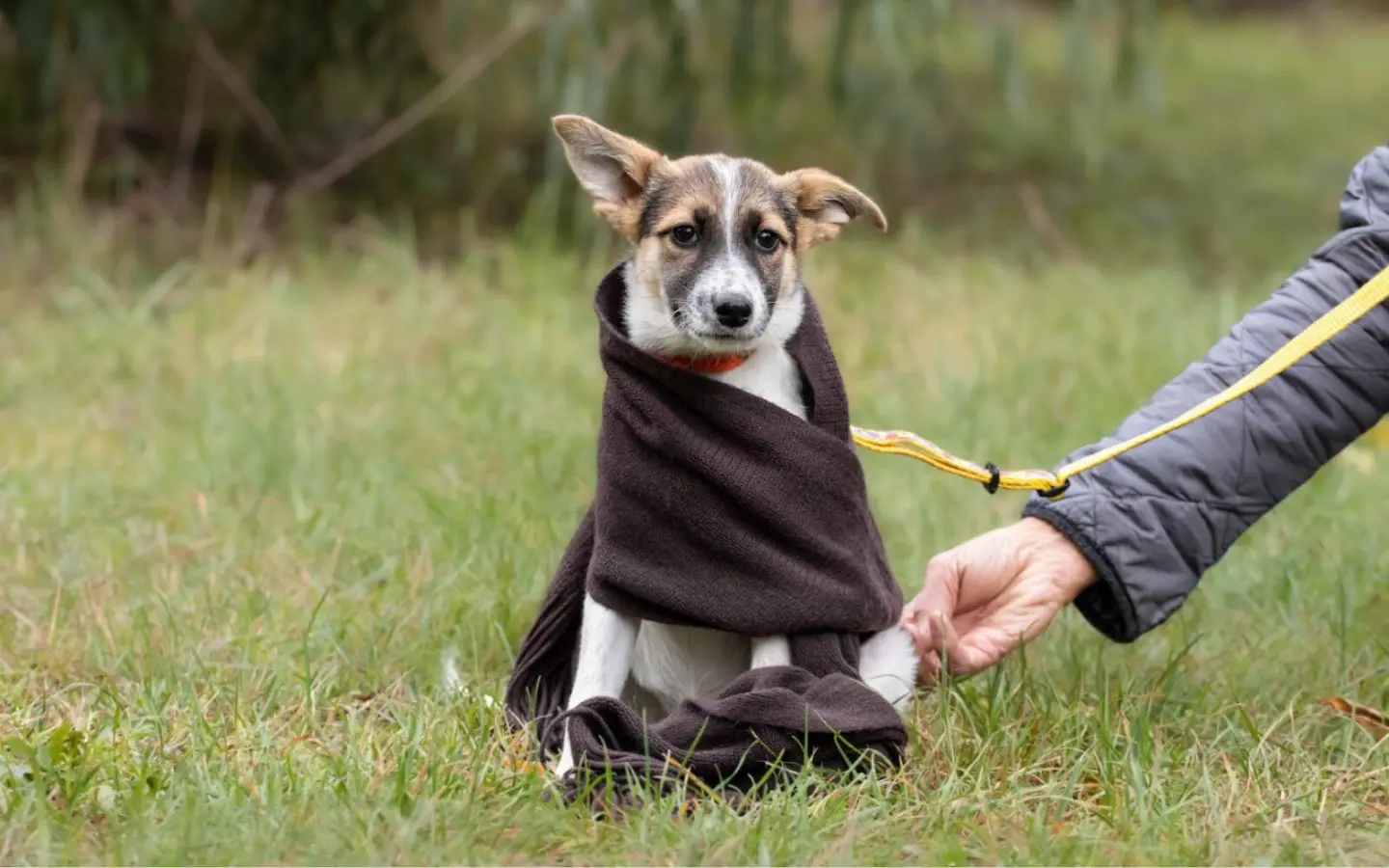
Choosing Subdued Raincoat Colors for Shy Dogs: Enhancing Comfort and Confidence
Shy or anxious dogs often feel overwhelmed in busy environments, and their attire can play a surprising role in how they navigate social interactions. Selecting a raincoat in a低调 (subdued) color offers practical and emotional benefits, helping these pets feel secure while staying protected from the elements. By minimizing visual attention and blending into surroundings, such colors create a calming effect that supports a dog’s natural tendency to retreat or observe quietly.
Reducing Unwanted Attention in Public Spaces
Bright or flashy raincoat colors, such as neon green or electric blue, tend to draw eyes from passersby, including children, dog enthusiasts, or curious strangers. For a shy dog, this sudden focus can trigger stress, making them freeze, hide, or exhibit nervous behaviors like trembling or panting. A低调 (subdued) raincoat in shades like muted gray, soft beige, or pale lavender acts as a visual shield, allowing the dog to move through crowds or parks without becoming a focal point.
In environments like busy sidewalks, pet stores, or outdoor cafes, a low-key color helps the dog stay under the radar. For example, a pale gray raincoat blends into urban concrete or cloudy skies, reducing the likelihood of strangers approaching to comment on the dog’s appearance. This subtlety gives the owner more control over social interactions, letting them gauge the dog’s comfort level before encouraging engagement.
Creating a Sense of Security Through Blending In
Shy dogs often rely on their environment to feel safe, and a raincoat that mirrors natural or urban tones can enhance this connection. Earthy colors like olive green, sandy brown, or slate blue mimic the hues of trees, rocks, or buildings, making the dog feel like part of the scenery rather than an outsider. This sense of belonging reduces anxiety, as the dog perceives less threat from unfamiliar surroundings when its appearance aligns with them.
In natural settings like hiking trails or parks, a muted green or brown raincoat helps the dog disappear into the undergrowth or forest floor, providing a psychological comfort similar to hiding under furniture at home. Even in residential areas, a raincoat that matches the color of fences, sidewalks, or garden foliage can create a familiar visual context, easing the dog’s transition from indoor to outdoor spaces.
Supporting Calm Behavior During Stressful Situations
Shy dogs are more likely to exhibit calm, observant behavior when they don’t feel visually “on display.” A低调 (subdued) raincoat color reduces external stimuli, allowing the dog to focus on their owner’s cues or the environment’s sounds and smells rather than reacting to visual attention. This is particularly helpful during events like thunderstorms, fireworks, or crowded gatherings, where sensory overload can exacerbate anxiety.
For example, a dog wearing a soft blue raincoat during a rainy walk may feel less stressed because the color’s calmness subconsciously reinforces a relaxed state. Similarly, a beige raincoat in a busy dog park lets the shy pet watch interactions from a distance without feeling pressured to participate. Over time, this reduced visual pressure can help the dog build confidence, as they learn to associate outdoor activities with safety rather than scrutiny.
Complementing a Shy Dog’s Personality and Body Language
A dog’s body language often reflects its emotional state, and a低调 (subdued) raincoat color can amplify subtle signals of shyness. Colors like charcoal gray or dusty rose convey a quiet elegance that aligns with a reserved demeanor, avoiding the contradiction of a timid dog wearing something overly bold. This harmony between appearance and behavior helps others interpret the dog’s cues correctly, reducing misunderstandings that might lead to unwanted interaction.
For instance, a dog crouching low or tucking its tail might seem more approachable if wearing a bright raincoat, as the color contradicts its body language. A muted tone, however, reinforces the message that the dog prefers space, encouraging strangers to respect its boundaries. This clarity fosters healthier social dynamics, where the dog feels in control of its interactions.
Enhancing Adaptability in Changing Environments
Shy dogs often struggle with transitions between familiar and unfamiliar settings, but a低调 (subdued) raincoat color can ease this adjustment. Since such colors don’t clash with diverse backgrounds, the dog doesn’t feel visually out of place when moving from a quiet neighborhood to a bustling city square or vice versa. This adaptability reduces stress, as the dog perceives less disruption to its sense of safety.
A raincoat in a neutral shade like taupe or light gray also remains functional across seasons, blending into autumn leaves, winter snow, or spring blooms without requiring frequent color changes. This consistency provides a reliable layer of protection, both physically and emotionally, as the dog knows its raincoat will always offer a subtle, comforting presence regardless of the weather or location.
Encouraging Natural Exploration Without Overstimulation
Shy dogs are more likely to explore their surroundings when they don’t feel visually overwhelmed. A低调 (subdued) raincoat color minimizes distractions, allowing the dog to focus on sniffing, listening, or observing rather than reacting to their own appearance. This freedom to engage with the environment at their own pace supports mental stimulation and physical activity, which are crucial for a shy dog’s overall well-being.
For example, a dog wearing a pale green raincoat during a forest walk might feel more inclined to wander off-leash (where safe) to investigate scents, as the color doesn’t attract attention from other hikers or wildlife. Similarly, a muted purple raincoat in a meadow lets the dog enjoy the breeze and sunlight without feeling like a spectacle. Over time, these positive experiences can help the dog associate outdoor adventures with joy rather than fear.
By prioritizing低调 (subdued) colors like muted grays, soft earth tones, or pale pastels, owners can create a raincoat that acts as a tool for emotional support rather than just weather protection. These hues reduce unwanted attention, foster a sense of security, and align with a shy dog’s natural behavior, ultimately helping them navigate the world with greater confidence and ease. Whether walking through a crowded park or enjoying a quiet hike, the right raincoat color turns a potentially stressful experience into a comforting one.