

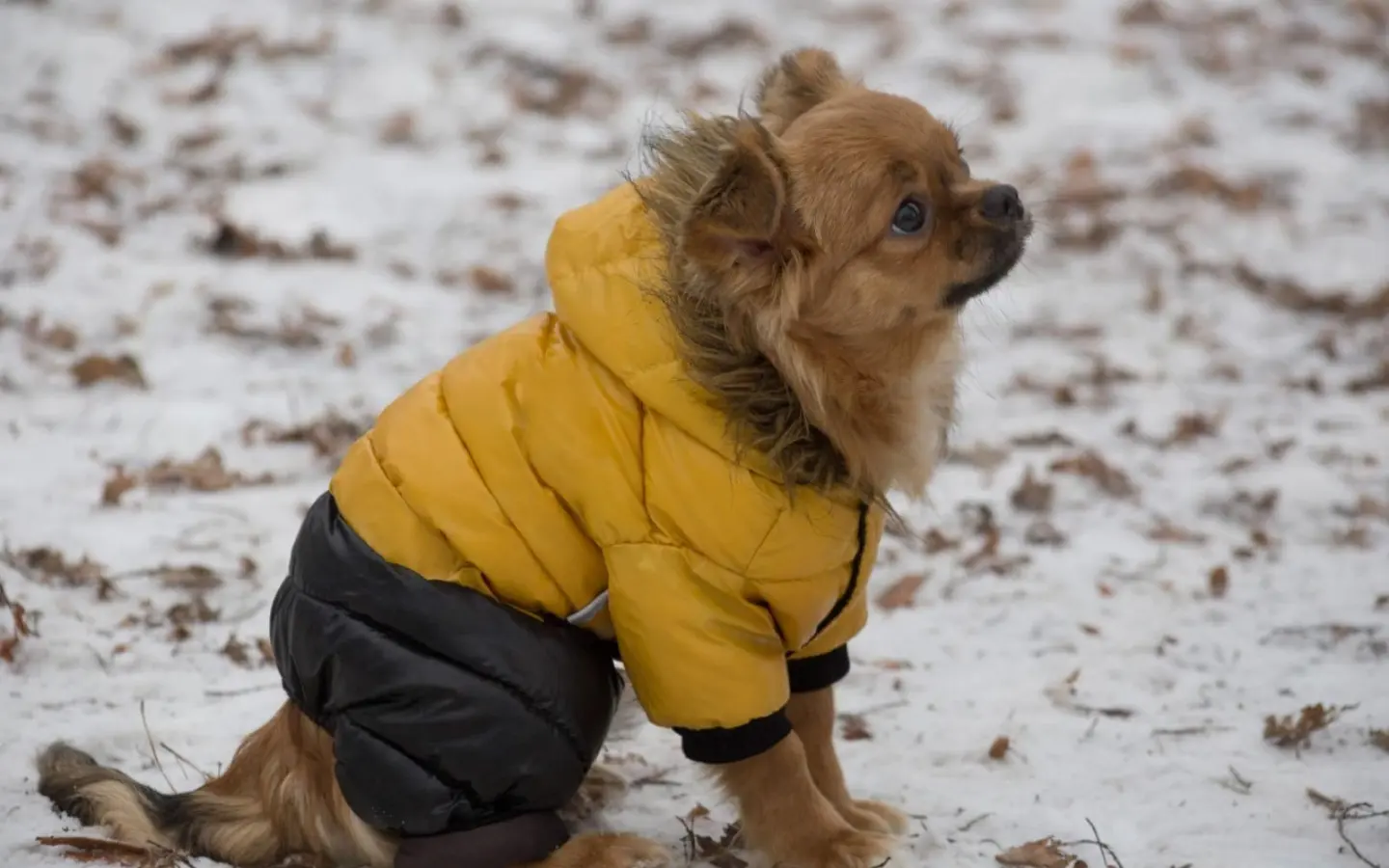
How to Test the Waterproof Performance of a Dog Raincoat After Washing
Maintaining the waterproof integrity of your dog’s raincoat after cleaning is essential for keeping your pet dry and comfortable. Here’s a structured approach to evaluating its effectiveness post-wash.
Visual Inspection for Damage or Wear
Start by examining the raincoat for visible signs of deterioration. Check seams, zippers, and fabric surfaces for fraying, tears, or loose threads. Pay close attention to areas prone to abrasion, such as the underbelly or straps, as these may degrade faster. Even minor damage can compromise waterproofing, so use a bright light to inspect hard-to-see spots. If the fabric appears thin or discolored, it might indicate a loss of protective coating.
Next, assess the coat’s surface texture. Waterproof materials often have a smooth or slightly waxy feel. If the fabric feels rough, sticky, or uneven after washing, the coating may have worn off. Gently rub the material between your fingers to detect changes in texture, which could signal reduced water resistance.
Water Spray Test for Immediate Repellency
To simulate light rain, fill a clean spray bottle with water and mist the raincoat evenly from a distance of 12–18 inches. Observe how water behaves on the surface. A functional waterproof layer will cause droplets to bead up and roll off quickly. If the fabric absorbs water or leaves dark, damp patches, the coating has likely degraded.
For a more thorough evaluation, focus on high-stress areas like the hood, back, and legs. These zones often experience more friction and exposure. Spray each section separately and note any differences in performance. If water seeps through stitching or zippers, the seams may need resealing with a compatible waterproofing agent.
Prolonged Exposure Test for Leak Detection
For a real-world assessment, conduct a controlled test by draping the cleaned raincoat over a sturdy, waterproof surface like a plastic-covered table. Use a hose or showerhead to mimic steady rainfall, directing water onto the coat for 10–15 minutes. Avoid excessive pressure, as this could force water through intact seams.
After exposure, check for moisture accumulation underneath. Use a dry towel to blot the inner lining and look for dark spots or dampness. Pay attention to folds and creases, where water might pool. If leaks appear, the fabric’s membrane or coating may require professional treatment or replacement. Repeat the test after reapplying a waterproofing spray to gauge improvement.
Additional Considerations for Long-Term Performance
Environmental factors like UV exposure, dirt, and oils can accelerate the breakdown of waterproof coatings. After washing, avoid using fabric softeners or bleach, as these chemicals strip protective layers. Instead, opt for a gentle, pH-balanced detergent designed for technical fabrics.
Store the raincoat in a cool, dry place away from direct sunlight when not in use. Regularly inspect and clean the coat to prevent dirt buildup, which can clog pores in breathable membranes. If the raincoat is frequently used in harsh conditions, consider reapplying a DWR (durable water repellent) finish every few months to restore its ability to shed water effectively.
By following these steps, you can identify weaknesses in your dog’s raincoat and take corrective action to ensure it remains a reliable barrier against moisture.