

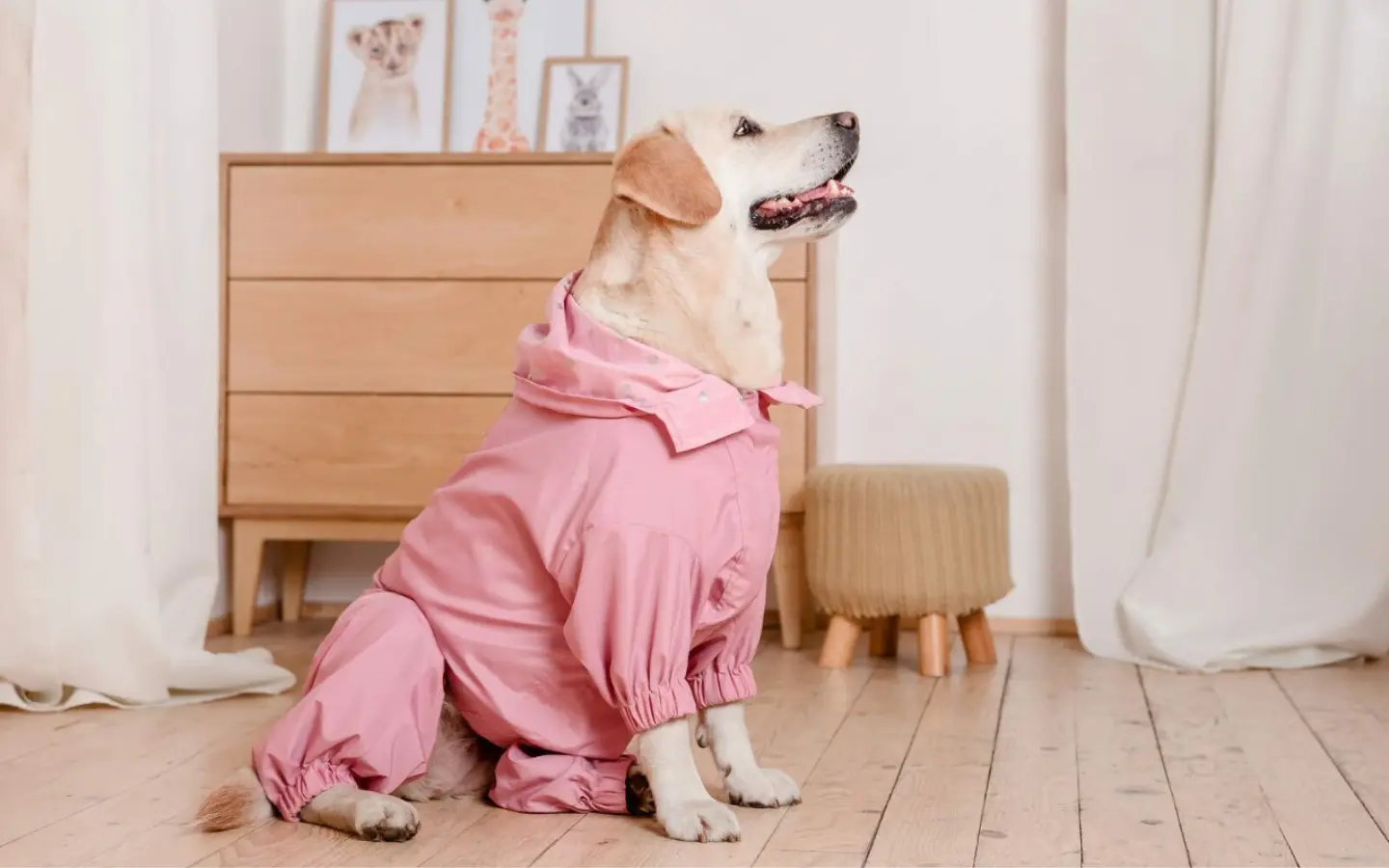
Using Music and Sound to Soothe Dogs Wearing Raincoats: Effective Techniques for Calm Exploration
Many dogs associate raincoats with discomfort, restricted movement, or negative experiences, leading to stress during outdoor activities. Introducing calming sounds or music can redirect their focus, create positive associations, and ease anxiety. By strategically using auditory stimuli, you can help your dog feel more relaxed while wearing a raincoat. Here’s how to integrate sound into your routine for maximum comfort.
Create a Pre-Outdoor Sound Routine to Build Positive Associations
Start by playing soft, calming music or nature sounds indoors while your dog wears their raincoat. Choose gentle melodies or recordings of rain, wind, or birdsong to mimic outdoor environments without overwhelming them. Begin with short sessions of 3–5 minutes, gradually increasing the duration as your dog grows accustomed to the sounds.
During these sessions, offer treats or engage in quiet play to link the auditory experience with rewards. For example, scatter kibble on the floor while the music plays or practice basic commands like “sit” or “stay” with verbal praise. The goal is to make the raincoat and the sounds feel like a natural part of a relaxing routine, not a precursor to stress.
Use Familiar Sounds to Distract During Raincoat Dressing
Dogs often resist raincoats because of the unfamiliar sensation of fabric or fasteners. Counter this by introducing a consistent, neutral sound during the dressing process. For instance, play a white noise machine or a recording of running water at a low volume. The steady hum can drown out distracting noises and create a calming backdrop.
As you put on the raincoat, maintain a relaxed demeanor and speak in soothing tones. Pair each step—lifting their paw, fastening the straps—with a treat and a gentle phrase like “easy does it.” If your dog fidget, pause and resume only when they’re still, reinforcing that calm behavior leads to quicker completion. Over time, the sound will signal that dressing is a routine, stress-free activity.
Incorporate Interactive Sound Games Outdoors
Once your dog is comfortable wearing the raincoat indoors with background sounds, transition to outdoor settings. Use sound-based games to engage their senses and shift focus away from the garment. For example, hide a treat-filled toy and play a recording of a bell or chime to guide them toward it. The combination of auditory cues and rewards encourages exploration without fixation on the raincoat.
Another effective game is “sound scavenger hunt.” Play short clips of different sounds—a squeaky toy, rustling leaves, or a distant dog bark—and reward your dog for investigating the source. This mental stimulation distracts them from the raincoat’s texture while making outdoor time feel dynamic and rewarding.
Leverage Classical Music or Nature Recordings for Car Rides or Sheltered Areas
If your dog wears a raincoat during car rides or in covered outdoor spaces, classical music or ambient nature sounds can reduce anxiety. Studies suggest that rhythmic, harmonic music with a slow tempo (60–80 beats per minute) mimics a dog’s resting heart rate, promoting relaxation. Create a playlist of instrumental pieces or recordings of ocean waves and play it during travel or breaks.
Pair the music with comforting actions, like petting your dog’s favorite spot or offering a chew toy. If they seem restless, pause the music and resume only when they’ve settled. Consistency helps them learn that the sounds predict calmness, making the raincoat feel like a non-issue during these activities.
Address Sound Sensitivity With Gradual Desensitization
Some dogs are startled by sudden noises, such as thunder or heavy rain, which can amplify their discomfort in a raincoat. Desensitize them by playing recordings of these sounds at a barely audible volume during mealtime or play. Gradually increase the volume over weeks while monitoring their reaction. If they show signs of stress (e.g., trembling, panting), lower the volume and proceed more slowly.
Combine desensitization with tactile comfort. While the sounds play, gently stroke your dog’s back or offer a massage to reinforce safety. Over time, they’ll associate the noises with relaxation and human touch, reducing fear responses. This technique is especially useful for dogs who resist raincoats due to heightened sensory awareness.
Sync Sound With Outdoor Rewards to Reinforce Positive Behavior
Timing is critical when using sound to soothe dogs in raincoats. For example, if your dog hesitates to step outside, play a clip of their favorite sound (like a squeaky toy) and immediately offer a treat when they take a step forward. The auditory cue becomes a predictor of rewards, encouraging movement despite the raincoat’s presence.
During walks, use intermittent sounds to maintain engagement. Play a short chime every few minutes and reward your dog for looking at you or walking calmly. This prevents boredom and reinforces that the raincoat doesn’t limit their ability to enjoy the environment. Adjust the frequency of sounds based on your dog’s attention span to keep them interested.
Monitor Body Language and Adjust Soundscapes Accordingly
Not all dogs respond to the same sounds, so observe your pet’s reactions closely. A dog who shivers at high-pitched tones may prefer deep, rhythmic drumming or white noise. Conversely, a curious dog might enjoy varied sounds like animal calls or rustling paper. Tailor your sound choices to their personality and comfort level.
If your dog seems indifferent to music or sounds, focus on other sensory distractions, like scents or textures. However, for most dogs, a well-chosen auditory environment can significantly reduce stress. Be patient and experiment with different genres or recordings until you find what works best for your furry companion.