

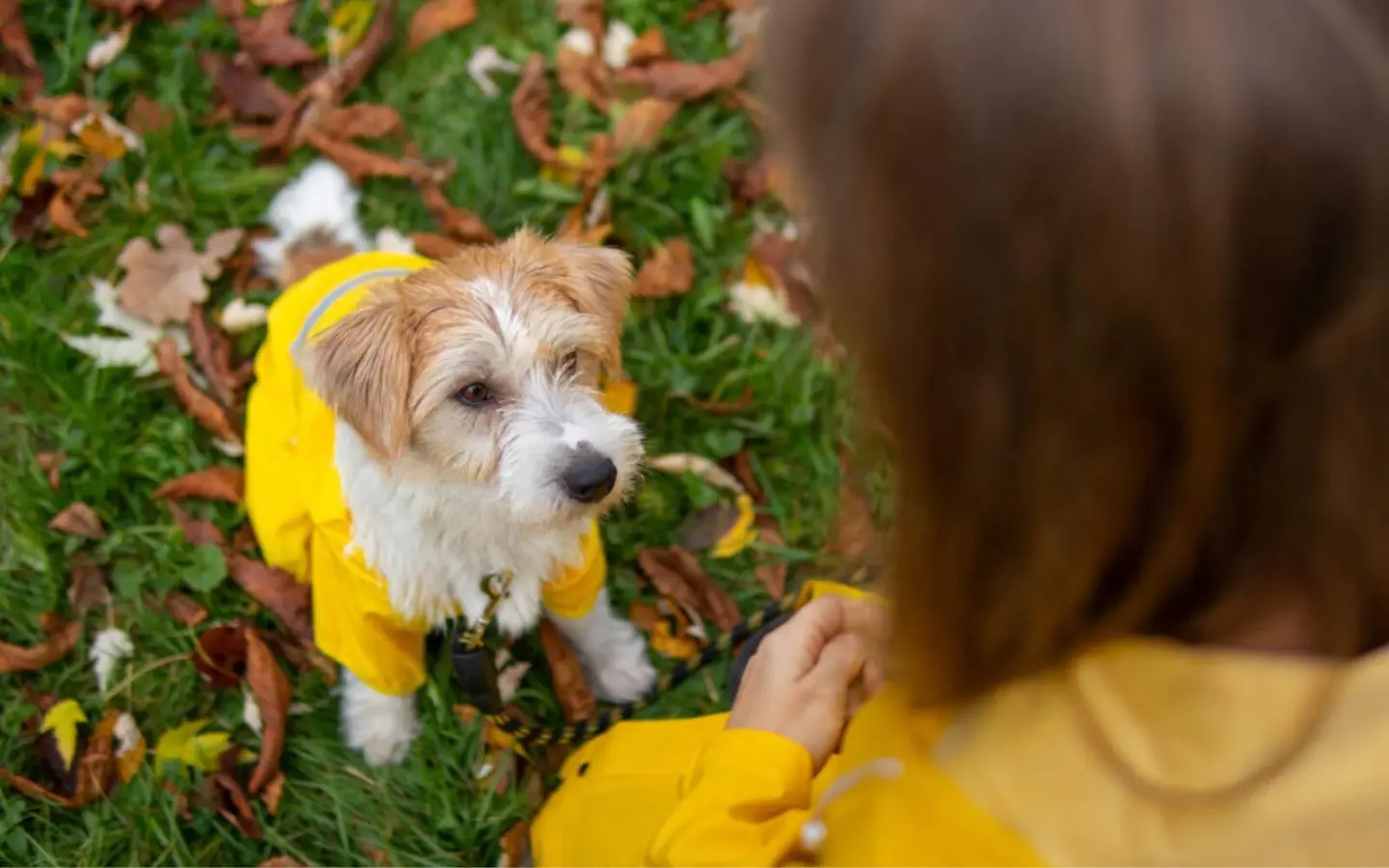
Leveraging Reward-Based Training to Help Dogs Accept Wearing Raincoats: Positive Reinforcement Strategies
Training a dog to tolerate or even enjoy wearing a raincoat requires patience and a structured reward system. Many dogs resist raincoats due to unfamiliar textures, restricted movement, or the sensation of fabric rubbing against their skin. By using high-value rewards and timing them correctly, you can reshape their perception of the garment, turning it into a signal for positive experiences. Here’s how to implement reward-based training effectively.
Start With Short, Positive introductions to the Raincoat
Begin by introducing the raincoat in a calm, familiar environment where your dog feels safe. Place the raincoat near their bed or feeding area without forcing them to interact with it. Let them sniff or investigate it voluntarily, rewarding any curiosity with a treat or verbal praise like “good boy!” This creates a neutral or positive association with the garment before it touches their body.
Once they’re comfortable with its presence, gently drape the raincoat over their back for 2–3 seconds, then remove it immediately. Pair this action with a high-value reward, such as a piece of cooked chicken or a favorite toy. Repeat this process 5–10 times per session, gradually increasing the duration the raincoat stays on by a few seconds each time. If your dog shows signs of stress (e.g., shaking, trying to escape), pause and return to shorter intervals.
Use High-Value Rewards to Counteract Initial Resistance
Dogs may resist raincoats because they feel restrictive or awkward. To overcome this, use rewards they find irresistible and reserve them exclusively for raincoat training. For example, if your dog loves cheese or meat, use small pieces of these foods instead of regular kibble. The novelty and desirability of the treat will help them focus on the reward rather than the discomfort.
Timing is critical: deliver the reward the moment the raincoat is placed on or removed. For instance, if your dog stands still while you fasten a strap, say “yes!” and immediately offer a treat. This links the action of wearing the raincoat to instant gratification. Avoid rewarding unwanted behaviors, like biting at the fabric, by withholding treats until they calm down.
Incorporate Play and Interactive Rewards to Build Enthusiasm
Many dogs respond better to rewards that involve interaction, such as a game of tug or fetch, rather than food alone. After your dog wears the raincoat for a short period, engage them in a favorite activity. For example, toss a ball or play a quick round of tug-of-war to create a fun association with the garment.
You can also combine food and play by hiding treats under the raincoat’s hood or pockets (if applicable) and encouraging your dog to find them. This turns the raincoat into a “treasure hunt” tool, making it something they look forward to wearing. Rotate between different reward types to keep training engaging and prevent boredom.
Gradually Increase Wear Time While Maintaining Reward Frequency
Once your dog tolerates the raincoat for 1–2 minutes, slowly extend the duration they wear it. However, avoid reducing reward frequency too quickly. Continue offering treats or play every 30–60 seconds during the initial phase of longer wear to reinforce patience. For example, if your dog wears the raincoat for 5 minutes, give them a treat at the 1-minute, 3-minute, and 5-minute marks.
As they adapt, shift to a variable reward schedule—rewarding them randomly (e.g., after 2 minutes, then 4 minutes, then 1 minute) to prevent them from expecting treats at fixed intervals. This maintains their motivation and reduces dependency on constant rewards over time.
Pair Raincoat Wear With Daily Routines to Normalize the Behavior
Integrate raincoat training into activities your dog already enjoys, such as mealtime, walks, or car rides. For example, put the raincoat on before feeding them breakfast or heading to the park. The anticipation of a favorite activity will make them more willing to tolerate the garment.
If your dog loves going outside, use the raincoat as a “pre-walk” cue. Place it on them 5 minutes before leaving the house and reward calm behavior. Over time, they’ll associate the raincoat with the excitement of walks, even in wet weather. Consistency is key—the more predictably the raincoat precedes positive experiences, the faster they’ll accept it.
Address Specific Discomfort Points With Targeted Rewards
Some dogs dislike how raincoats fit around their neck, legs, or tail. Identify these areas by observing where your dog focuses their attention (e.g., scratching, biting, or trying to shake off the garment). Use targeted rewards to distract them from these sensations.
For instance, if they dislike the hood, hold a treat near their nose to encourage them to look upward, gently guiding the hood into place while they’re focused on the reward. If the leg straps feel tight, reward them for stepping into the raincoat one leg at a time, turning the process into a step-by-step game. Adjust the fit if possible (e.g., loosening straps) to minimize irritation while rewarding compliance.
Use Verbal Praise and Physical Affection as Secondary Rewards
While food and play are primary motivators, verbal praise and gentle petting reinforce good behavior without relying on external items. Pair enthusiastic phrases like “good job!” or “what a star!” with scratching behind their ears or a quick belly rub after they wear the raincoat. This builds emotional reinforcement, making them feel proud of their cooperation.
Combine verbal praise with treats initially to strengthen the connection. For example, say “good boy!” while offering a treat to help them understand that both the words and the food signal approval. Over time, they may respond to verbal praise alone, reducing the need for constant treats.
Track Progress and Adjust Reward Strategies as Needed
Keep a training journal to note your dog’s responses to different rewards and durations. For example, record whether they prefer food over play or if they become restless after wearing the raincoat for 10 minutes. Use this data to tailor your approach—if they lose interest in treats, switch to a higher-value option or introduce a new toy.
If progress stalls, revisit earlier steps. For instance, if your dog refuses to wear the raincoat for more than 3 minutes, return to shorter sessions with higher reward frequency. Celebrate small victories, like tolerating the raincoat for an extra 10 seconds, to maintain momentum.
Create a Positive Exit Strategy to End Sessions on a High Note
Always conclude training sessions before your dog becomes frustrated or bored. Remove the raincoat after a successful trial (e.g., wearing it for 5 minutes without fussing) and reward them with a final treat or play session. This teaches them that cooperating leads to a rewarding outcome and the removal of the garment.
Avoid forcing the raincoat on or yanking it off, as this can create negative associations. If your dog tries to escape during removal, stay calm and use treats to distract them while you gently take it off. Consistency in ending sessions positively will make them more eager to participate next time.
Involve Family Members to Generalize Positive Associations
Dogs may behave differently around various people, so enlist household members to participate in training. Have each person reward your dog for wearing the raincoat, using the same techniques you’ve established. This helps your dog generalize their acceptance of the garment to all family members, not just the primary trainer.
For example, if your partner feeds them dinner, ask them to put the raincoat on briefly before mealtime and reward calm behavior. If your child plays fetch with them, have the child incorporate raincoat sessions into playtime. The more consistent the positive reinforcement across people, the stronger the association becomes.