

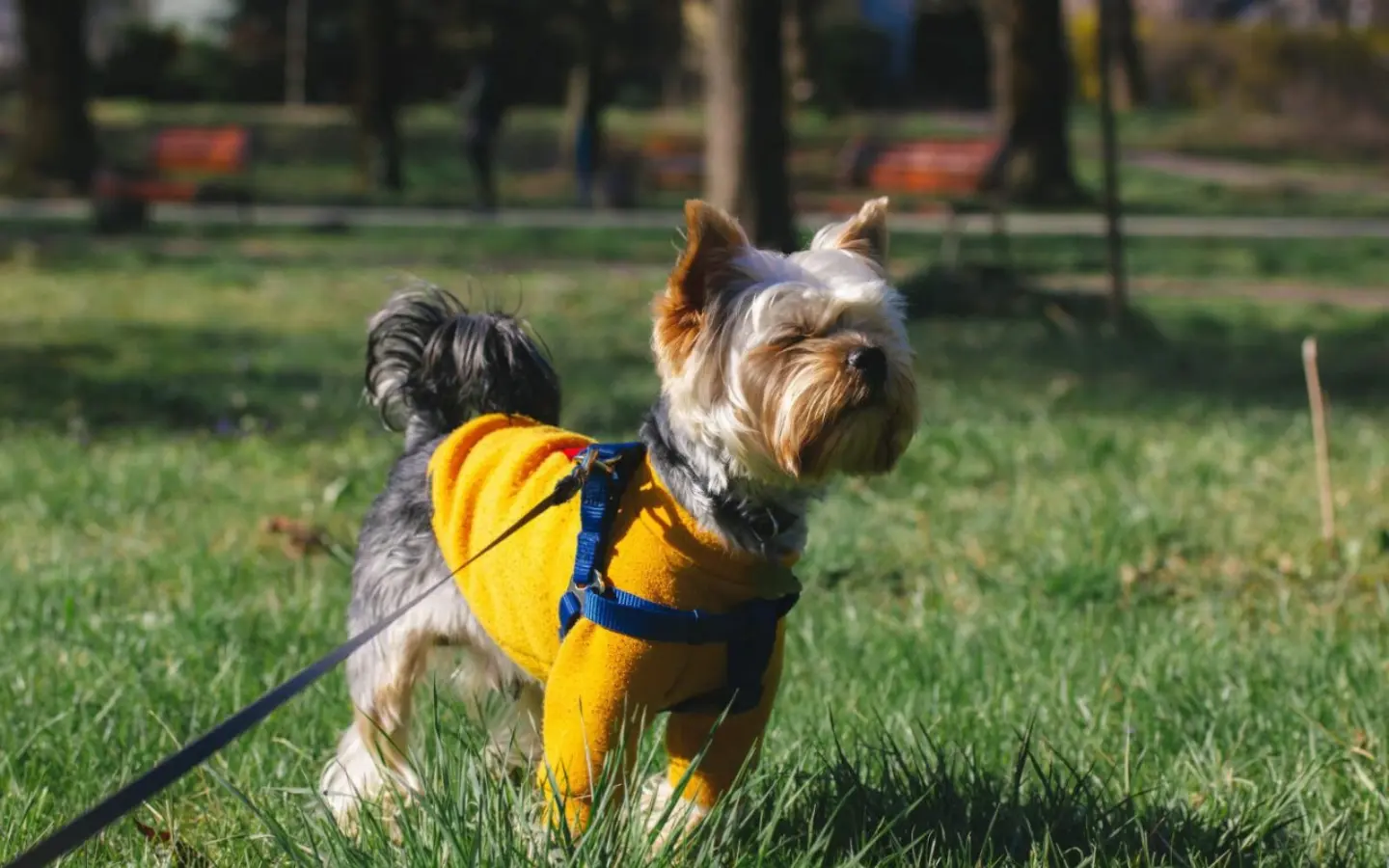
How to Properly Store a Dog Raincoat for Long-Term Non-Use
Ensuring your dog’s raincoat remains in good condition during extended storage requires careful preparation to prevent material degradation, mold growth, or structural damage. Follow these steps to maintain its functionality and appearance.
Cleaning Before Storage
Before storing the raincoat, thorough cleaning is essential to remove dirt, mud, or oils that could attract pests or cause fabric deterioration. Start by shaking off loose debris and using a soft brush to gently scrub stubborn spots. For waterproof materials, avoid harsh detergents or bleach, as these can strip protective coatings. Instead, use a mild, pH-neutral soap diluted in lukewarm water.
Gently hand-wash the raincoat, focusing on high-contact areas like the belly, legs, and hood. Rinse thoroughly to eliminate soap residue, which can attract moisture over time. After washing, pat the fabric dry with a clean towel, then allow it to air-dry completely in a well-ventilated area away from direct sunlight. Ensure no dampness remains, as trapped moisture encourages mold and mildew.
Choosing the Right Storage Environment
Selecting an optimal storage location is critical for preserving the raincoat’s integrity. Avoid damp basements or garages, as humidity can weaken seams and promote bacterial growth. Instead, opt for a cool, dry room with consistent temperatures, such as a closet or wardrobe. Ensure the area is free from extreme heat or cold, which can cause synthetic materials to crack or fade.
If possible, store the raincoat in a breathable container, like a cotton storage bag or a cardboard box with ventilation holes. Avoid plastic bins, as they trap moisture and restrict airflow. Place the container in a spot away from direct sunlight, which can degrade waterproof coatings and fade colors. If storing multiple items, avoid compressing the raincoat under heavy objects, as this can distort its shape.
Preventing Pests and Mold
Pests like moths or silverfish can damage fabrics, while mold thrives in dark, humid environments. To deter insects, consider placing natural repellents like cedar blocks or lavender sachets near the storage area, avoiding direct contact with the raincoat. For mold prevention, ensure the raincoat is fully dry before storage and periodically check for signs of mustiness or discoloration.
If storing the raincoat for over six months, inspect it every few months for pest activity or moisture buildup. Gently shake or air it out in a shaded area to refresh the fabric. For added protection, include a silica gel packet (non-toxic and moisture-absorbing) in the storage container, but avoid letting it touch the raincoat directly to prevent chemical reactions.
Maintaining Structural Integrity During Storage
To prevent creases or permanent folds, loosely hang the raincoat on a padded hanger or lay it flat in the storage container. Avoid sharp folds, especially along seams or zippers, as these can weaken over time. If the raincoat has adjustable straps or buckles, loosen them slightly to reduce tension on the fabric.
For raincoats with removable liners or hoods, detach these components and store them separately to reduce bulk. If the raincoat includes reflective strips or electronic components (like LED lights), remove batteries if applicable and store them in a cool place to prevent corrosion. Label the storage container clearly to avoid accidental damage when retrieving other items.
By following these guidelines, you can extend the lifespan of your dog’s raincoat and ensure it remains ready for use when needed. Proper storage protects against environmental damage, pests, and structural wear, keeping the garment functional and comfortable for your pet.