

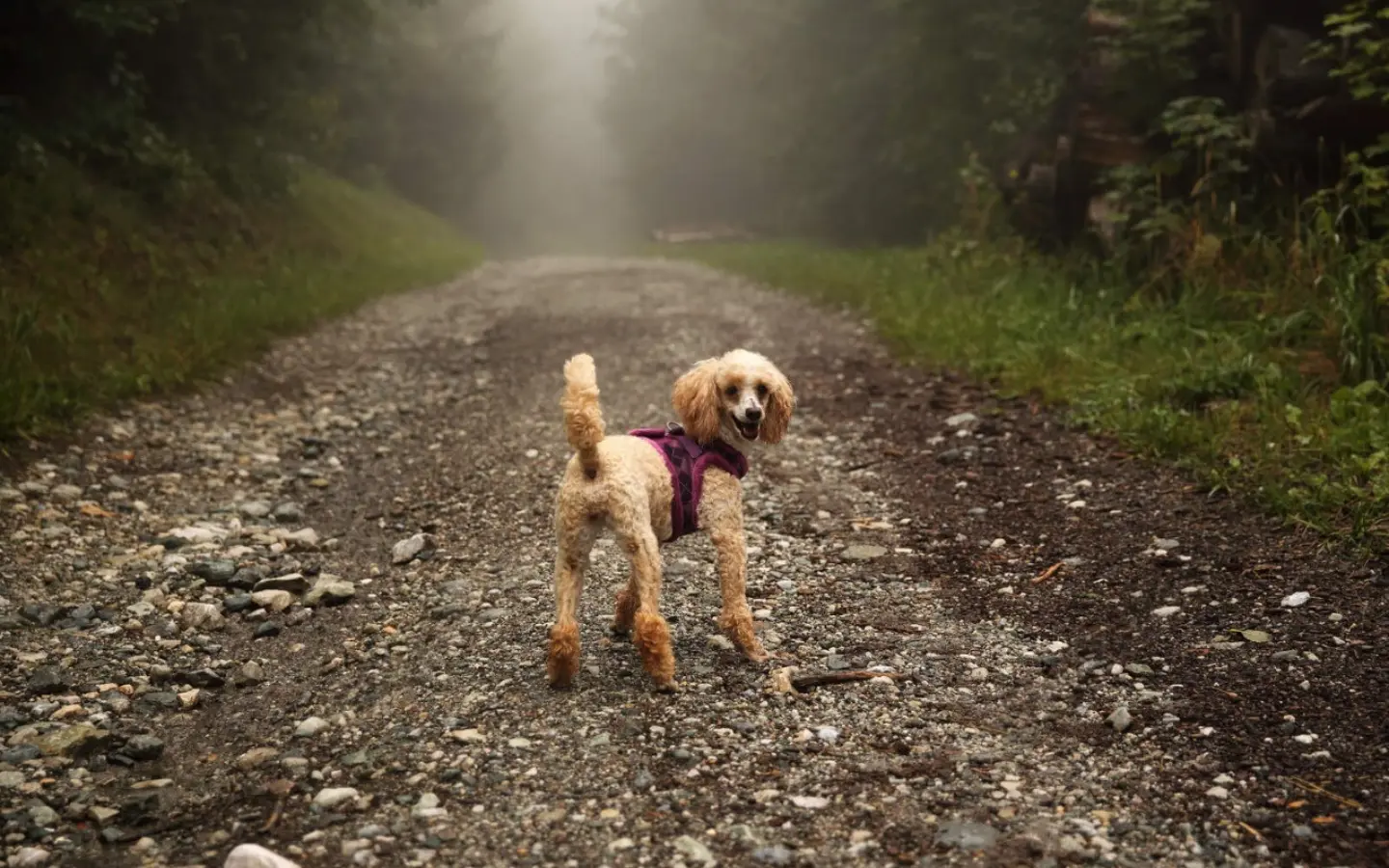
Special Considerations for Hiking with a Dog in a Raincoat in Mountainous Areas
Hiking in mountainous regions with a dog wearing a raincoat presents unique challenges, from rugged terrain and unpredictable weather to altitude-related risks. The added layer of a raincoat can affect a dog’s mobility, heat regulation, and sensory perception, making it crucial to adapt your approach to ensure their safety and comfort. Here’s how to navigate mountain trails while keeping your dog dry and protected.
Terrain Adaptation: Ensuring Stability and Mobility
Mountain trails often include steep inclines, rocky paths, loose gravel, or slippery mud, all of which can be exacerbated by rain. A raincoat that’s too long, bulky, or ill-fitting may restrict a dog’s leg movement or cause them to trip on uneven surfaces. Additionally, the coat’s fabric could become snagged on branches, thorns, or rocks, leading to tears or entanglement.
To mitigate these risks, choose a raincoat with a streamlined design that allows freedom of movement. Avoid coats with excess fabric around the legs or belly, and opt for adjustable straps to prevent the coat from shifting during steep climbs or descents. If the trail is particularly muddy, consider a coat with reinforced seams or a waterproof shell to keep the dog’s underbelly dry, but ensure it doesn’t impede their ability to navigate obstacles. Regularly check for debris caught in the coat or between paw pads, and clear it promptly to prevent discomfort or injury.
Temperature and Altitude Management: Preventing Overheating or Hypothermia
Mountain weather can change rapidly, with temperatures dropping significantly at higher elevations. A raincoat provides essential protection against rain and wind but can also trap heat, leading to overheating if the dog is exerting themselves. Conversely, if the coat isn’t insulated or the dog becomes wet from sweat or rain, they may be at risk of hypothermia in cold, windy conditions.
To balance temperature regulation, layer the dog appropriately. In cooler weather, use a lightweight, breathable raincoat over a moisture-wicking base layer to retain warmth without bulk. If the dog starts panting excessively or shows signs of fatigue, remove the coat temporarily to cool them down, and offer water frequently. At higher altitudes, monitor for signs of altitude sickness (e.g., lethargy, loss of appetite, or rapid breathing), and adjust your pace or rest breaks accordingly. If the coat becomes soaked, wring it out or replace it with a dry layer to prevent heat loss.
Paw Protection and Traction: Addressing Slippery or Abrasive Surfaces
Rain-soaked trails can be treacherous for dogs, with slick rocks, mud, or hidden puddles increasing the risk of slips, falls, or cuts. A raincoat that covers the dog’s belly or legs might also make it harder for them to grip the ground, especially on steep or uneven terrain.
To improve traction, trim the hair between your dog’s paw pads before the hike to reduce slipping. If the trail is extremely muddy, consider using dog booties (though ensure they fit well and don’t rub when worn with the raincoat). During the hike, avoid rushing the dog over slippery sections, and encourage them to test their footing carefully. If the coat’s fabric is causing the dog to slide, adjust the fit to expose more of their legs or belly for better grip. After the hike, inspect paws for cuts, abrasions, or embedded debris, and clean them thoroughly to prevent infection.
Hydration and Nutrition: Maintaining Energy in Wet Conditions
Hiking in the rain can make it tempting to skip water breaks, but dogs still need to stay hydrated, even when wearing a raincoat. The coat’s insulation might also mask signs of overheating or dehydration, such as excessive panting or lethargy. Additionally, wet weather can make food less appealing, leading to reduced energy intake.
To keep the dog hydrated, offer water frequently, even in short breaks. Use a collapsible bowl or a hands-free hydration system designed for dogs to make drinking easier. If the dog refuses food, try high-value treats or wet food to entice them. Avoid forcing them to eat if they’re uninterested, but monitor for signs of exhaustion or weakness. In colder weather, consider warming wet food slightly to make it more palatable, and pack extra calories to account for increased energy expenditure.
Navigation and Safety: Staying Visible and Prepared
Mountainous areas often have limited visibility in rain or fog, increasing the risk of getting lost or encountering hazards like cliffs, wildlife, or falling debris. A dog in a raincoat might also be harder to spot if they wander off-trail, especially if the coat blends into the environment.
To stay safe, keep the dog on a leash at all times, even in areas where off-leash hiking is permitted. Use a brightly colored or reflective leash and collar to improve visibility, and consider attaching a small bell to their harness to help you track their movements. If hiking in low-light conditions, carry a headlamp or flashlight, and avoid steep or exposed sections of the trail. Familiarize yourself with the area’s emergency protocols, and carry a first-aid kit, whistle, and map (or GPS device) in case of separation or injury.
Environmental Awareness: Minimizing Impact on Fragile Ecosystems
Mountain trails are often ecologically sensitive, with delicate vegetation, wildlife habitats, or water sources that can be disrupted by human activity. A dog in a raincoat might unintentionally trample plants, disturb wildlife, or spread invasive species if their coat picks up seeds or mud from one area and transfers it to another.
To reduce your impact, stick to designated trails and avoid shortcuts that could erode the soil. Keep the dog away from sensitive areas, such as alpine meadows or wetlands, and clean their paws thoroughly after the hike to remove seeds or debris. If the dog relieves themselves, bury waste at least 6–8 inches deep and 200 feet from water sources to prevent contamination.
Conclusion: Prioritizing Safety and Comfort in Mountainous Terrain
Hiking with a dog in a raincoat in mountainous areas requires careful planning, adaptability, and vigilance. By addressing terrain challenges, managing temperature and hydration, protecting paws, ensuring visibility, and respecting the environment, owners can help their dogs navigate rugged trails safely. With preparation and awareness, even rainy mountain hikes can be rewarding experiences for both pet and owner.