

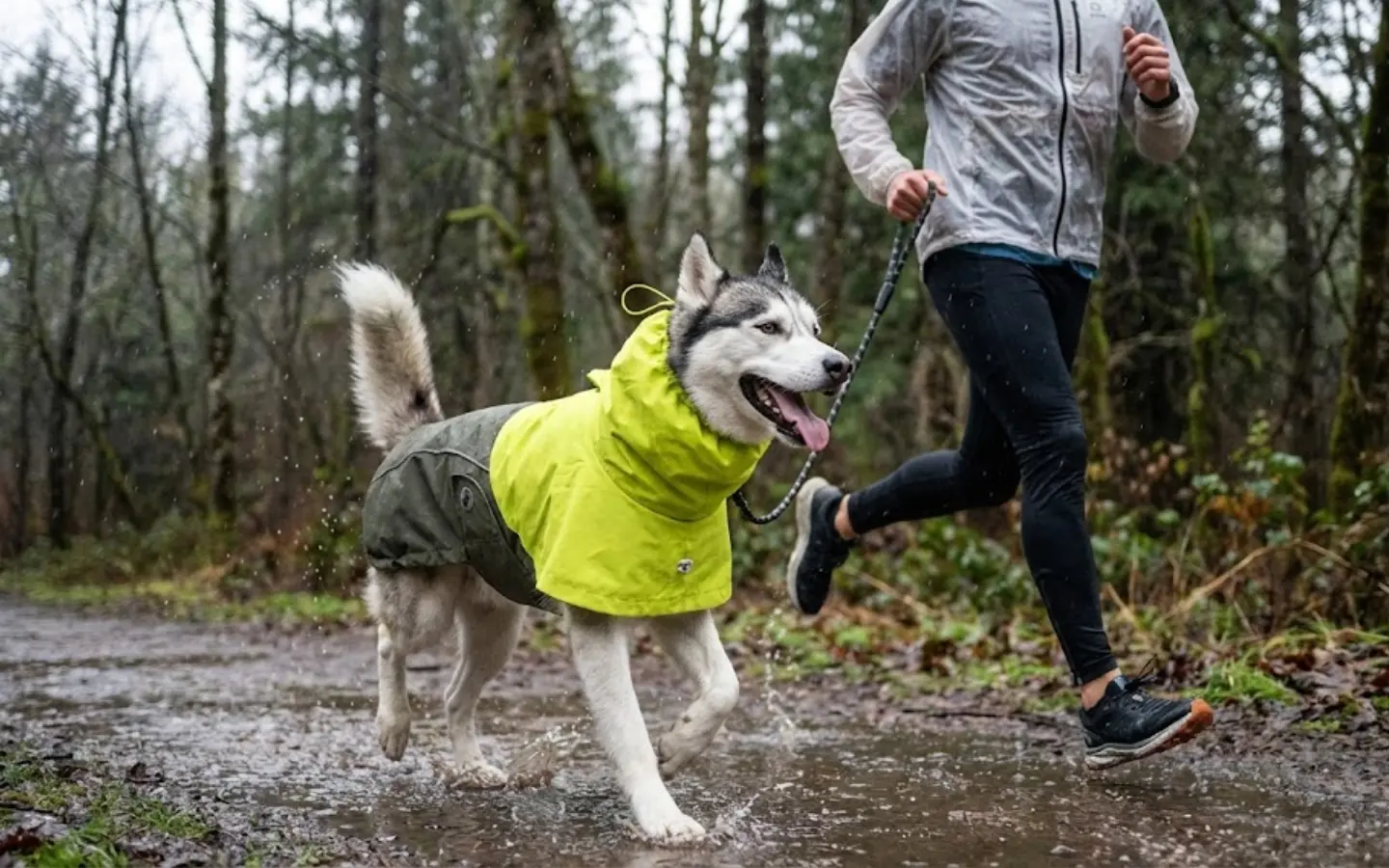
Choosing the Right Detergent for Cleaning Outdoor Dog Clothing
Outdoor dog clothing, from waterproof jackets to insulated sweaters, requires careful cleaning to maintain its functionality, comfort, and durability. The right detergent removes dirt, odors, and bacteria without damaging fabric coatings, waterproofing, or causing skin irritation. Here’s how to select the best option based on your dog’s needs and the garment’s material.
Gentle Formulas for Sensitive Skin and Allergies
Dogs with sensitive skin or allergies need detergents free from harsh chemicals, fragrances, and dyes that can trigger reactions.
Key Ingredients to Look For
- Hypoallergenic Labels: Choose detergents labeled “hypoallergenic” or “for sensitive skin,” as they omit common irritants like sulfates, parabens, and artificial fragrances.
- Plant-Based Surfactants: Look for formulas derived from coconut or other plant oils, which clean effectively without stripping natural oils from your dog’s skin or the fabric.
- pH-Balanced Solutions: Detergents with a neutral pH (around 7) are less likely to disrupt your dog’s skin barrier or degrade waterproof coatings on outdoor gear.
Avoid These Additives
- Optical Brighteners: These chemicals make fabrics appear whiter but can leave residues that irritate skin.
- Enzymes (for Some Dogs): While enzymes break down organic stains, they may irritate dogs with extremely sensitive skin. Test a small area first or opt for enzyme-free formulas.
- Heavy Fragrances: Synthetic scents can overwhelm your dog’s sense of smell and cause respiratory or skin discomfort.
Application Tips
- Use half the recommended amount of detergent to minimize residue buildup.
- Rinse garments thoroughly twice to ensure no soap remains in the fabric.
Stain-Fighting Detergents for Outdoor Messes
Outdoor clothing often faces mud, grass stains, urine, or food spills. Stain-removing detergents tackle these messes without compromising fabric integrity.
Enzyme-Based Cleaners
- Enzymes like protease, amylase, and lipase break down protein-based stains (e.g., blood, urine), starches (e.g., mud), and fats (e.g., grease).
- Choose detergents with “bio” or “enzyme” labels, but verify they’re pet-safe and free from added bleach or optical brighteners.
Oxygen-Based Bleach Alternatives
- For stubborn stains, oxygen bleach (sodium percarbonate) is a safer alternative to chlorine bleach. It brightens fabrics and removes odors without weakening waterproof membranes.
- Use it as a pre-soak or add it to the wash cycle, following package instructions for dilution ratios.
Spot Treatment Solutions
- For localized stains, mix a small amount of stain-fighting detergent with water to create a paste. Apply it directly to the stain, let it sit for 10–15 minutes, then launder as usual.
- Avoid scrubbing vigorously, as this can damage fibers or push stains deeper.
Application Tips
- Treat stains immediately to prevent them from setting.
- For heavy soil, pre-soak the garment in a detergent-and-water solution for 30 minutes before washing.
Preserving Waterproofing and Technical Features
Outdoor dog clothing often includes waterproof coatings, breathable membranes, or reflective strips. The wrong detergent can strip these features, reducing the garment’s effectiveness.
Detergents for Waterproof Fabrics
- Look for formulas labeled “tech wash” or “for outdoor gear,” which are designed to clean without leaving residues that clog breathable membranes.
- These detergents typically avoid fabric softeners, which can coat fibers and reduce waterproofing.
Avoiding Fabric Softeners and Dryer Sheets
- Fabric softeners and dryer sheets leave waxy residues that impair waterproofing and breathability. They can also irritate your dog’s skin.
- Instead, air-dry waterproof garments flat or hang them to maintain their shape and technical properties.
Cold Water Washing
- Hot water can break down adhesives used in reflective strips or seam taping. Wash outdoor dog clothing in cold water to preserve these features.
- Use a gentle cycle to minimize friction and wear on delicate fabrics.
Application Tips
- Turn garments inside out before washing to protect reflective elements and outer coatings.
- If the care label allows, use a second rinse cycle to ensure all detergent is removed.
Eco-Friendly Options for Sustainable Cleaning
For environmentally conscious pet owners, eco-friendly detergents reduce chemical runoff and minimize your dog’s exposure to synthetic additives.
Biodegradable and Plant-Based Formulas
- Choose detergents made from renewable, biodegradable ingredients like coconut oil, citrus extracts, or mineral-based cleaners.
- These options are often free from phosphates, chlorine, and synthetic dyes, making them safer for waterways and your dog.
Concentrated Formulas
- Concentrated detergents require less packaging and reduce shipping emissions. A little goes a long way, so follow dosage instructions carefully to avoid waste.
DIY Alternatives
- For mild cleaning, create a homemade solution using baking soda (for odors) and castile soap (for grease). Mix 1–2 tablespoons of each with warm water in a basin and hand-wash small items.
- Avoid vinegar on waterproof fabrics, as its acidity can degrade coatings over time.
Application Tips
- Store eco-friendly detergents in a cool, dry place to maintain their effectiveness.
- Test homemade solutions on an inconspicuous area first to ensure they don’t discolor or damage the fabric.
By selecting detergents tailored to your dog’s skin sensitivity, the type of stains, and the garment’s technical features, you’ll keep their outdoor clothing clean, functional, and comfortable for every adventure. Always check care labels for specific washing instructions to avoid unintentional damage.