

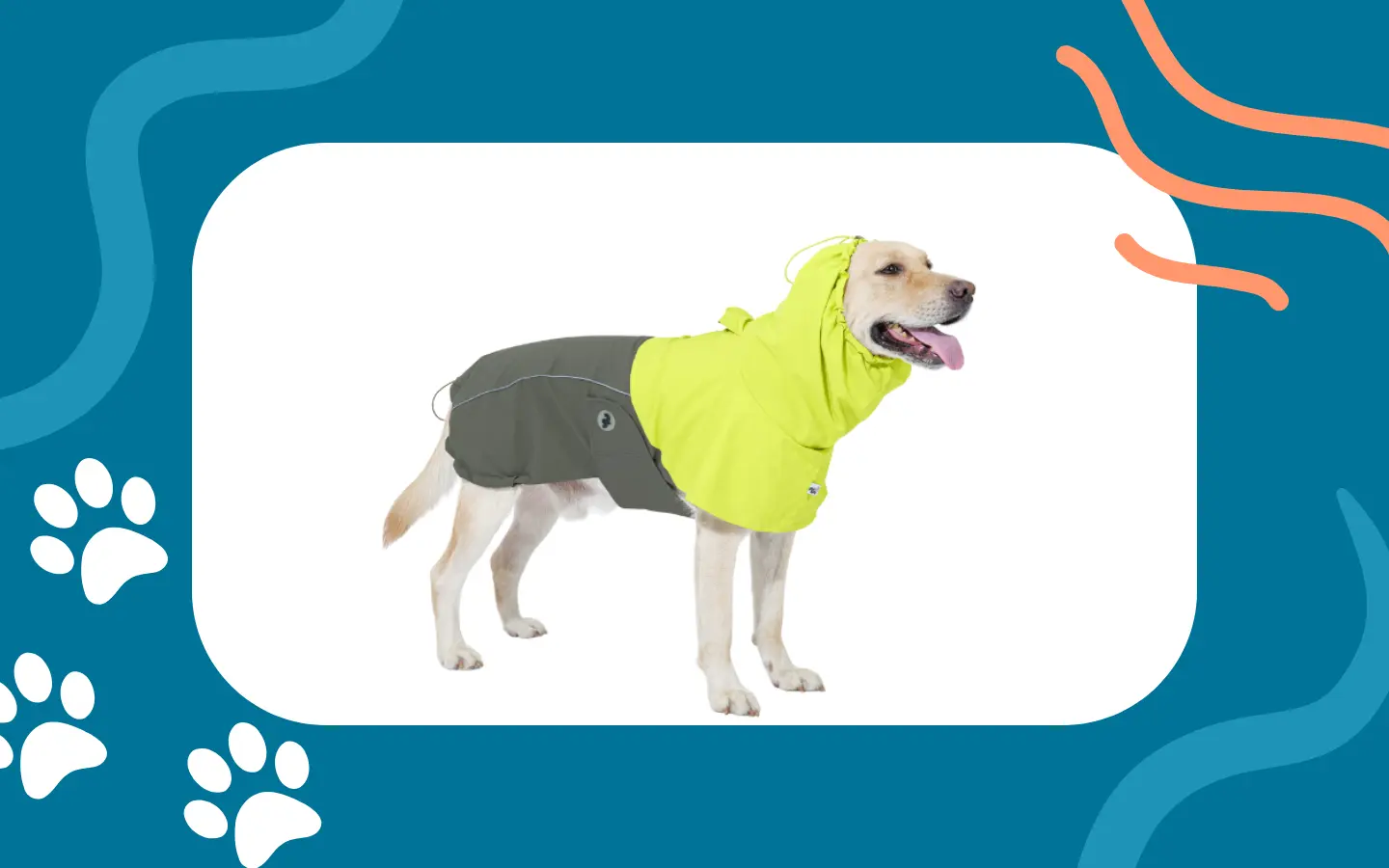
When choosing an anti-static raincoat for long-haired dogs, it is necessary to focus on the material properties, design details and actual needs. The following is a specific analysis and recommendation:
The core elements of anti-static raincoats
Fabric selection
Natural fibers: Give priority to choosing raincoats containing natural fibers such as cotton and linen. These materials have a low probability of generating electricity through friction and can reduce the generation of static electricity.
Anti-static coating: Some raincoats are treated with anti-static agents or blended with conductive fibers, which can actively release static electricity and are suitable for long-haired dogs with dry fur.
Avoid synthetic fibers: Synthetic materials such as polyester and nylon are prone to generating electricity due to friction with hair, so they should be chosen with caution.
Design details
Fit: The raincoat should fit the dog’s body shape to avoid excessive friction between the fur and the fabric due to gaps.
Freedom of movement: The shoulders, armpits and other parts should be designed with elastic splicing or loose cutting to ensure that the dog is not restricted when moving.
Anti-static accessories: Some raincoats are equipped with anti-static zippers, drawstrings and other accessories to further reduce the risk of static electricity.
A guide to Avoiding Pitfalls when purchasing
Avoid “pure synthetic fiber” raincoats: Materials like polyester and nylon are prone to generating static electricity and are not suitable for long-haired dogs.
Beware of “pseudo-anti-static” claims: Some raincoats are only labeled as “anti-static” without specific technical descriptions. It is necessary to confirm whether they are made of anti-static fabric or coated.
Pay attention to the size selection: For long-haired dogs, it is necessary to reserve space for the thickness of the fur to avoid excessive friction between the fabric and the fur due to the size being too small.