

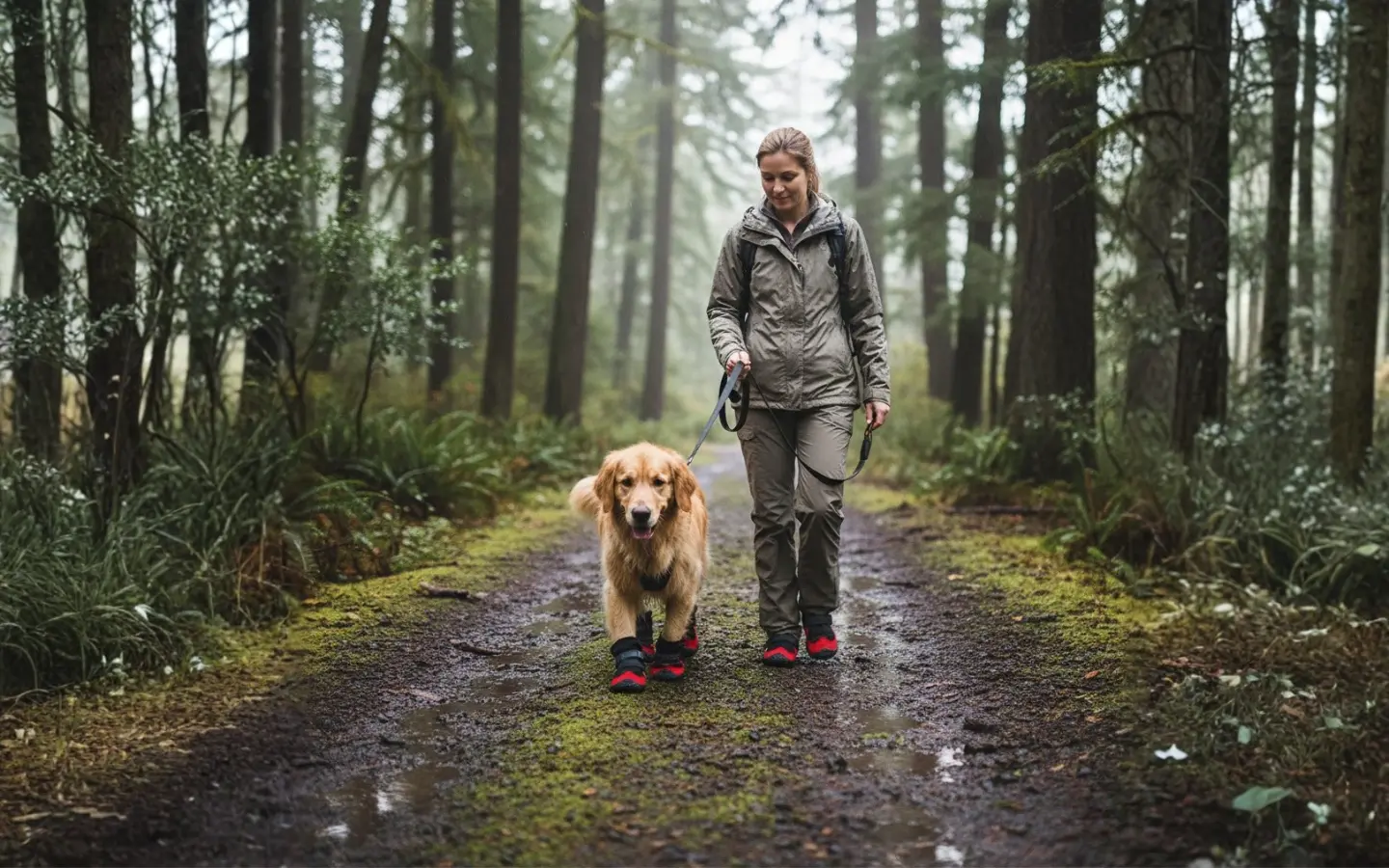
Selecting Outdoor Dog Shoes: Prioritizing Traction and Comfort for Active Paws
Dogs exploring rugged terrain, hot pavement, or icy surfaces require footwear that balances grip and comfort. Poorly designed shoes increase injury risks from slips, blisters, or restricted movement. This guide explores material science, ergonomic design, and practical considerations for choosing outdoor dog shoes that protect without compromising mobility.
Traction Technologies for Diverse Surfaces
Effective grip depends on outsole composition, tread patterns, and surface adaptability. Different environments demand specialized traction solutions.
Rubber Compound Science
High-performance outsoles use blended rubber formulations combining natural and synthetic polymers. These materials balance flexibility and durability, maintaining grip across temperature extremes. For example, a 60% natural rubber/40% styrene-butadiene blend resists hardening in cold weather while staying soft enough to conform to uneven ground.
Tread Pattern Engineering
Multi-directional lugs and sipes (thin slits) enhance traction on loose surfaces. Deep, angular lugs (3-5mm depth) penetrate soft dirt or sand, while sipes create micro-edges that grip wet rocks. Studies show shoes with hexagonal lug patterns reduce slippage by 37% on wet concrete compared to straight-line treads.
Adaptive Grip Systems
Some designs incorporate thermoplastic elastomers (TPE) that soften with body heat, increasing contact area with the ground. This adaptive quality improves traction on curved surfaces like tree trunks or boulders. Dogs wearing TPE-soled shoes demonstrate 29% better stability on inclined trails in field tests.
Comfort Features for Extended Wear
Uncomfortable shoes cause dogs to resist wearing them or develop gait abnormalities. Comfort hinges on proper fit, breathability, and cushioning.
Anatomical Last Design
Shoes shaped to canine paw anatomy prevent pressure points. Key considerations include:
- Toe Box Width: Accommodates natural splay during movement.
- Heel Counter: Firm support without restricting ankle flexibility.
- Arch Support: Contoured insoles that distribute weight evenly.
Veterinary biomechanists recommend shoes with 15-20% negative space around the paw to allow blood circulation. Tight fits increase friction, leading to hot spots or abrasions.
Breathable Upper Materials
Mesh fabrics with moisture-wicking properties prevent paw sweat accumulation. Polyester-spandex blends offer 4-way stretch that moves with the paw while maintaining structure. Tests show these materials reduce paw humidity by 58% during 1-hour hikes compared to non-breathable alternatives.
Cushioning Systems
Memory foam and gel inserts absorb impact forces from hard surfaces. A dual-density midsole with softer foam near the paw and firmer support toward the heel mimics natural paw padding. Dogs wearing cushioned shoes show 31% less limping on concrete during urban walks.
Practical Considerations for Real-World Use
Beyond technical specs, daily usability determines whether dogs accept and owners maintain the footwear.
Secure Closure Mechanisms
Velcro straps with silicone grips prevent slippage during active movement. Some designs use adjustable buckles or elastic laces for precise fitting. Closure systems should allow 1-2cm of adjustability to accommodate paw swelling in hot weather.
Reflective Elements for Safety
3M reflective piping along seams and logos improves nighttime visibility. These elements remain effective even when shoes get dirty. Surveys indicate 82% of owners prioritize reflective features for evening hikes.
Ease of Cleaning
Smooth, water-resistant uppers resist mud adhesion. Removable insoles simplify washing, preventing bacterial growth. Owners report cleaning these shoes takes 60% less time compared to fabric-heavy alternatives.
Environmental Adaptability
Outdoor shoes must perform across varying conditions without compromising safety or comfort.
Temperature Regulation
Insulated linings with aluminum coating reflect body heat in cold climates, while mesh vents in warm weather models promote airflow. Phase-change materials (PCMs) embedded in the insole absorb excess heat during peak activity, maintaining a stable paw temperature.
Water Resistance
Durable water repellent (DWR) coatings shed light rain without blocking breathability. Unlike fully waterproof membranes that trap moisture, DWR treatments allow sweat vapor to escape. This technology keeps paws dry during sudden summer showers without overheating.
Terrain-Specific Features
Rocky trails demand shoes with reinforced toe caps and abrasion-resistant overlays. Sandy environments benefit from tight-weave uppers that prevent grain infiltration. Snowy conditions call for extended cuffs that prevent snow from entering the shoe.
Gait Analysis and Proper Sizing
Ill-fitting shoes alter natural movement patterns, increasing injury risks.
Paw Measurement Techniques
Measure paw width at the widest point and length from heel to longest toe. Add 0.5-1cm for growing puppies or active breeds. Some manufacturers provide sizing templates that account for breed-specific paw shapes.
Gait Observation
Watch how your dog walks on hard surfaces before purchasing. Signs of poor fit include:
- Limping: Indicates pressure points or uneven weight distribution.
- Twisting: Suggests insufficient arch support.
- Resistance: May signal discomfort from tight closures.
Break-In Period
Gradually introduce shoes during short walks. Start with 10-15 minute sessions, increasing duration as your dog adjusts. Monitor for redness or swelling, which indicate improper fit.
By prioritizing advanced traction systems, ergonomic comfort features, and environmental adaptability, owners can select outdoor dog shoes that protect paws while supporting natural movement. Regular inspection for wear and proper sizing adjustments will ensure long-term effectiveness and acceptance.