

Choosing the Right Dog Leash Size for Outdoor Training: A Practical Guide
Outdoor training demands a leash that balances control, comfort, and safety for both the dog and the handler. The right size isn’t just about length or width—it’s about matching the leash’s design to the dog’s breed, behavior, and training goals. Here’s how to select the ideal leash size for different outdoor training scenarios.
1. Consider the Dog’s Size and Strength
The leash’s width and material must align with the dog’s physical traits.
Small Breeds (e.g., Chihuahuas, Pomeranians):
- Opt for a lightweight leash (1–1.5 cm wide) to avoid overburdening their delicate frames.
- A shorter leash (1.2–1.5 meters) works best for precision control during recall or obedience training in crowded areas like parks or sidewalks.
- Avoid bulky materials like thick leather; choose breathable nylon or soft cotton to prevent skin irritation.
Medium to Large Breeds (e.g., Labradors, German Shepherds):
- A wider leash (1.5–2 cm) distributes pulling force evenly, reducing strain on the handler’s hands.
- For powerful breeds prone to sudden lunges, a 1.5–1.8-meter leash provides enough slack for natural movement while maintaining control.
- Reinforced materials like double-layered nylon or padded leather are ideal for durability during high-energy activities like agility training.
Giant Breeds (e.g., Great Danes, Mastiffs):
- A 2–2.5-meter leash with a 2.5+ cm width ensures the handler can manage the dog’s strength without risking the leash snapping.
- Look for leashes with reinforced stitching and heavy-duty metal clips to withstand pulling during off-leash recall drills.
2. Match the Leash Type to Training Behavior
Different training goals require specific leash designs to optimize results.
For Leash-Reactive or Pulling Dogs:
- Fixed-Length Leashes (1.2–1.5 meters):
- Short leashes minimize the dog’s ability to build momentum before lunging, making it easier to redirect their attention.
- Ideal for reactive dog training in urban environments where sudden distractions (e.g., other dogs, cyclists) are common.
- Chest-Harness Leashes:
- These distribute pressure across the chest instead of the neck, reducing choking risks during forceful corrections.
- Best for breeds prone to tracheal damage (e.g., Pugs, French Bulldogs) or dogs learning loose-leash walking.
For Recall or Distance Training:
- Longer Leashes (3–5 meters):
- Allow the dog to explore while maintaining connection during off-leash practice in enclosed fields or forests.
- Avoid retractable leashes for this purpose; their unpredictable retraction can confuse the dog and undermine training.
- Biothane or Waterproof Leashes:
- Lightweight and durable, these resist tangling in underbrush or water, making them ideal for hiking or swimming sessions.
For Agility or Advanced Obedience:
- Short, Lightweight Leashes (0.8–1 meter):
- Provide minimal interference during jumps or weave poles, letting the dog focus on cues without leash drag.
- Often paired with slip leads for quick adjustments during rapid direction changes.
3. Adapt to Environmental Factors
The training setting influences leash size and features.
Urban Environments (Parks, Sidewalks):
- A 1.2–1.5-meter leash ensures the dog stays close enough to avoid traffic or pedestrians.
- Reflective stitching or LED attachments improve visibility during evening training sessions.
- Avoid overly long leashes; they increase the risk of entanglement with bikes or strollers.
Rural or Open Spaces (Fields, Trails):
- A 2–3-meter leash lets the dog investigate scents or terrain without straying too far.
- Choose a leash with a swivel clip to prevent twisting during sharp turns or sudden stops.
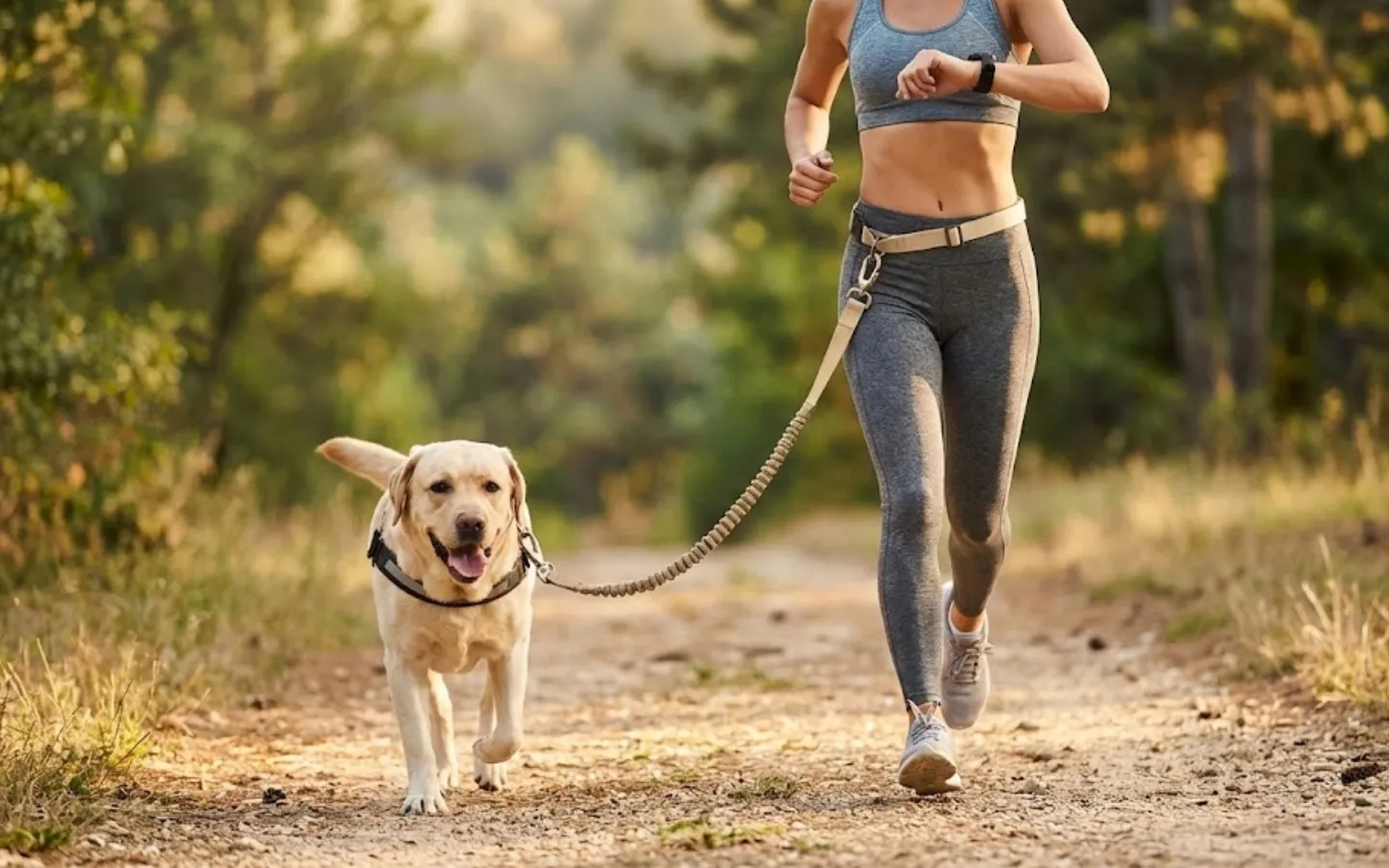
- For hiking, a hands-free waist leash (adjustable to 1.5–2 meters) keeps the handler’s arms free for balance.
High-Distraction Areas (Dog Parks, Beaches):
- A 1.5-meter leash with a double-clip design (attaching to both collar and harness) adds redundancy if the dog slips out of one.
- Water-resistant materials prevent mold growth after wet training sessions.
Key Takeaways for Effective Leash Selection
- Size Matters: A leash too thin or short may fail to control a strong dog, while one too bulky can hinder a small breed’s movement.
- Behavior Drives Design: Reactive dogs need short, sturdy leashes; recall trainees benefit from longer, flexible options.
- Environment Shapes Features: Urban settings demand visibility and compactness; rural areas prioritize durability and length.
By tailoring the leash size to the dog’s physical traits, training behavior, and environment, handlers can create safer, more productive outdoor sessions. Always test the leash in a controlled setting before relying on it during advanced drills or high-stress scenarios.