

Selecting the Right Size of Flea and Tick Spray Based on Your Dog’s Outdoor Activity Areas
Choosing the appropriate size of flea and tick spray for your dog depends heavily on the types of outdoor environments they frequent. Different activity areas expose your dog to varying levels of pest risks, and the spray’s coverage and duration of effectiveness must align with these factors. By evaluating your dog’s typical outdoor spaces, you can determine the most practical and protective spray size to keep them safe from parasites.
Urban and Suburban Parks: Balancing Coverage and Portability
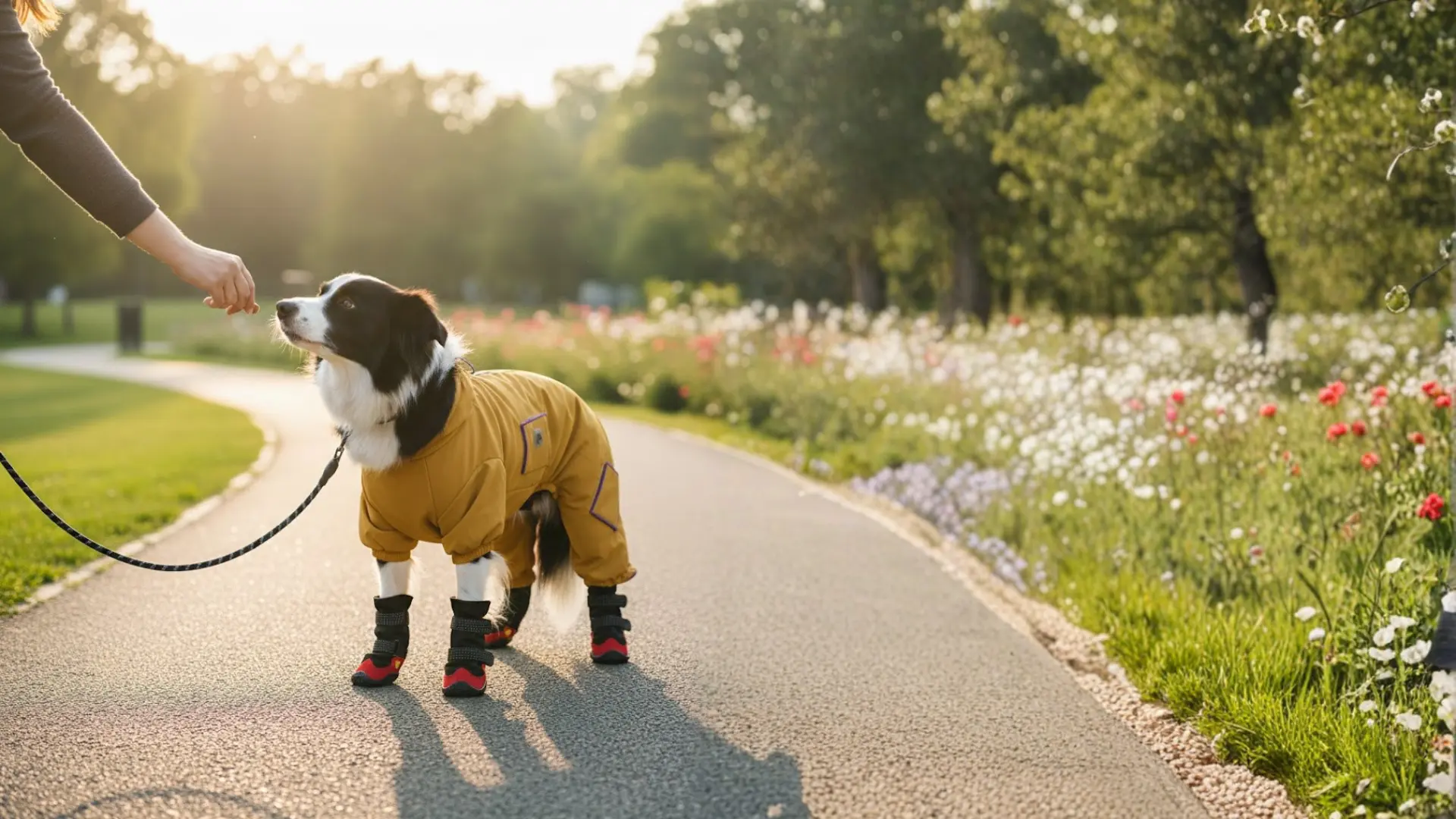
Urban and suburban parks are common spots for daily walks, playdates, and short adventures. While these areas may seem low-risk, they often harbor fleas and ticks, especially in grassy or wooded sections.
Smaller Bottles for Frequent, Short Trips
If your dog spends most of their outdoor time in local parks with short visits, a smaller spray bottle (around 4–8 ounces) is often sufficient. These bottles are lightweight and easy to carry in a bag or pocket, making them ideal for quick applications before or after walks. Smaller sizes also reduce waste if you only need to treat your dog occasionally, as they’re less likely to expire before you finish the product.
Medium-Sized Options for Regular Park Visitors
For dogs who visit parks multiple times a week or engage in longer play sessions, a medium-sized bottle (8–12 ounces) provides better value and coverage. This size allows for more frequent applications without needing constant refills, ensuring consistent protection during peak flea and tick seasons. Medium bottles are still portable enough for daily use but offer enough product to last through several outings.
Adjusting Application Frequency Based on Park Conditions
Urban parks with well-maintained lawns may pose lower risks than suburban areas with overgrown vegetation. If your local park has tall grass or shrubs, consider applying the spray more often, even with a medium-sized bottle. Conversely, in cleaner, manicured spaces, you might stretch the time between applications, making a smaller bottle more practical.
Hiking Trails and Rural Areas: Prioritizing Long-Lasting Protection
Hiking trails and rural landscapes expose your dog to higher concentrations of fleas, ticks, and other pests due to dense vegetation, wildlife, and standing water. These environments demand robust, long-lasting protection.
Larger Bottles for Extended Outdoor Sessions
For dogs who hike regularly or explore rural areas, a larger spray bottle (12–16 ounces or more) is advisable. These bottles provide enough product for thorough applications before and during hikes, ensuring your dog remains protected throughout the day. Larger sizes are also cost-effective for frequent users, as they reduce the need for multiple purchases over time.
Water-Resistant Formulas for Wet Conditions
Rural areas often feature streams, ponds, or morning dew, which can wash away standard sprays. Opt for a water-resistant or waterproof formula in a larger bottle if your dog frequently encounters wet environments. These formulas adhere better to your dog’s coat, maintaining effectiveness even after exposure to moisture. A larger size ensures you won’t run out mid-hike if reapplication is needed.
Treating Gear and Surroundings for Added Safety
In high-risk rural settings, fleas and ticks may latch onto your dog’s collar, harness, or bedding. A larger spray bottle allows you to treat these items alongside your dog’s coat, creating a comprehensive barrier against pests. Some sprays can also be used on camping gear or blankets, further reducing the risk of infestation in shared spaces.
Beaches and Coastal Regions: Addressing Unique Environmental Challenges
Beaches and coastal areas present distinct challenges for flea and tick control, including sand, saltwater, and wind. These factors can affect how well the spray adheres to your dog’s coat and how often you need to reapply.
Mid-Range Bottles for Occasional Beach Visits
If your dog enjoys occasional trips to the beach, a mid-range bottle (8–12 ounces) is a versatile choice. This size provides enough product for multiple applications without being overly bulky to carry. Look for a spray with a quick-drying formula to minimize discomfort from sand sticking to wet fur, and prioritize options labeled safe for use near water.
Saltwater-Resistant Formulas for Coastal Adventures
Saltwater can strip away protective coatings, including flea and tick sprays. Choose a formula designed to resist saltwater or one that’s safe for frequent reapplication in coastal environments. A mid-to-large bottle (12–16 ounces) ensures you won’t run out during extended beach stays, especially if your dog spends hours swimming or playing in the surf.
Wind-Resistant Application Techniques
Beaches are often windy, making it difficult to apply spray evenly. Opt for a bottle with a fine-mist spray nozzle to reduce blowback and ensure thorough coverage. Apply the spray in a sheltered area if possible, or time applications for calmer moments. A larger bottle allows for more generous applications to compensate for wind dispersion.
Backyard and Home Environments: Tailoring Protection to Familiar Spaces
Even in familiar backyard settings, your dog can encounter fleas and ticks, especially if your yard has shrubs, woodpiles, or wildlife visitors.
Small to Medium Bottles for Routine Backyard Use
For dogs who spend most of their time in a controlled backyard environment, a small to medium bottle (4–12 ounces) is typically adequate. These sizes are easy to store and allow for regular applications without overusing product. If your yard is small and well-maintained, you may only need to spray your dog occasionally, making a smaller bottle a practical choice.
Treating the Yard Itself for Long-Term Prevention
In addition to spraying your dog, consider treating your yard with a pet-safe flea and tick solution to reduce the overall pest population. While this isn’t a replacement for spraying your dog, it can lower the risk of reinfestation. Use a separate yard treatment product and focus on shady, damp areas where pests thrive.
Adjusting Frequency Based on Seasonal Risks
Flea and tick activity peaks in warm months, so increase application frequency during spring and summer if your dog spends time outdoors. In cooler seasons, you may reduce applications to once every few weeks. A medium-sized bottle provides flexibility to adjust usage without wasting product.
By aligning the size of your flea and tick spray with your dog’s outdoor activity areas, you can ensure they receive adequate protection without overusing or underusing the product. Whether your dog explores urban parks, rural trails, coastal beaches, or backyard spaces, the right spray size will keep them safe and comfortable year-round.