

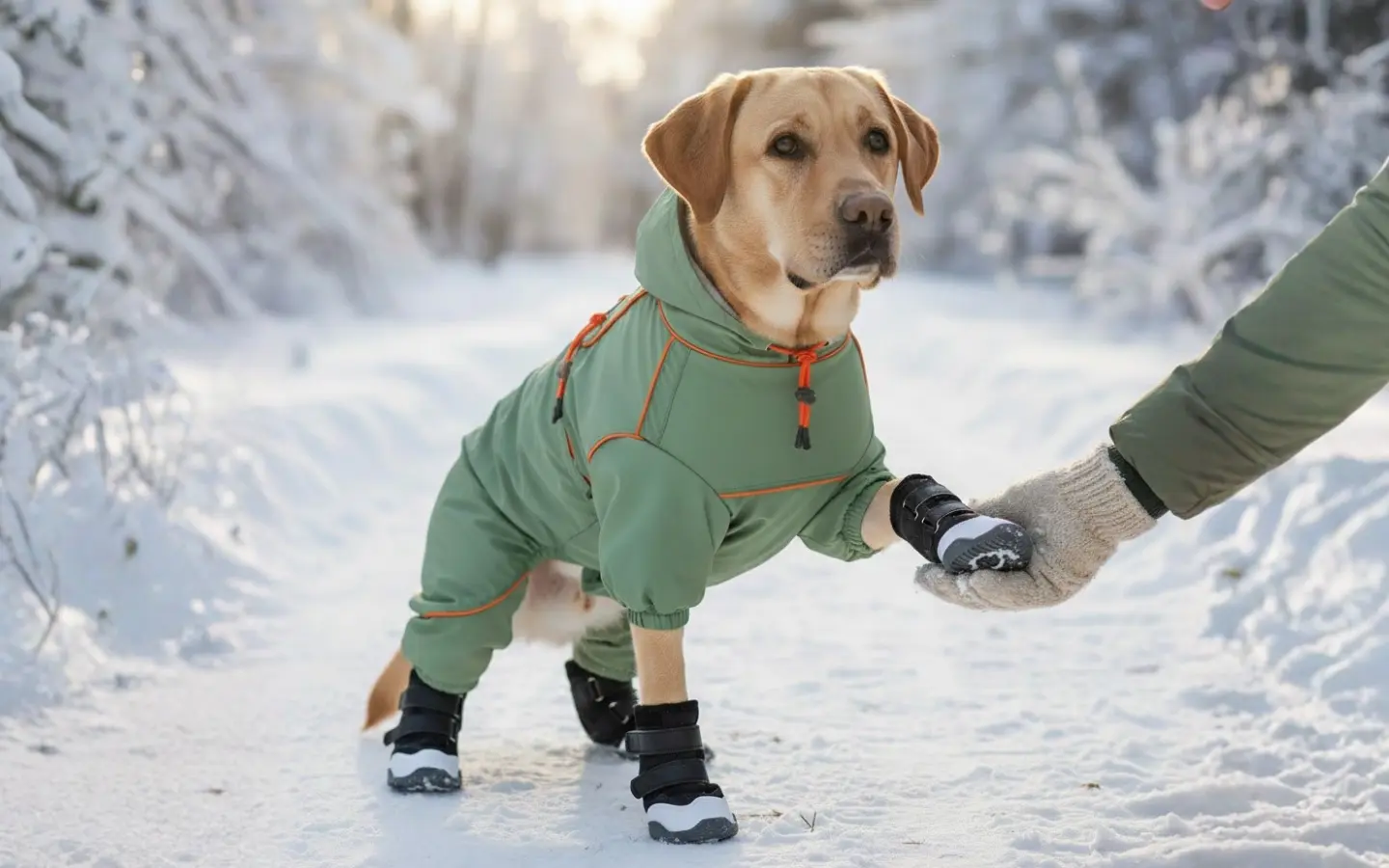
Seasonal Care and Storage Tips for Your Dog’s Outdoor Apparel
As seasons change, your dog’s outdoor clothing needs proper maintenance to stay functional and comfortable. From raincoats to insulated jackets, each piece requires specific care to withstand varying weather conditions and frequent use. Here’s how to keep your dog’s wardrobe ready for every adventure.
Preparing Outdoor Dog Clothing for Seasonal Transitions
Assessing Wear and Damage
Before storing or reusing clothing, inspect each item for signs of wear:
- Seams and Stitching: Check for loose threads or frayed edges, especially in high-stress areas like the neck, belly, and leg openings.
- Fabric Integrity: Look for holes, thinning material, or fading, which can reduce water resistance or insulation.
- Hardware Functionality: Ensure zippers, snaps, and Velcro closures work smoothly. Replace any broken or stuck components to avoid frustration during use.
If you find minor damage, repair it promptly. For example, use a needle and thread to reinforce loose seams or replace a missing snap.
Cleaning Before Storage or Reuse
Dirt, sweat, and moisture trapped in fabrics can lead to mildew or unpleasant odors. Follow these steps to clean your dog’s clothing effectively:
Hand-Washing Delicate Items
- Pre-Treat Stains: Use a soft brush and a mild, pet-safe detergent to scrub mud or food stains from collars, cuffs, or hems.
- Soak and Agitate: Fill a basin with lukewarm water and a small amount of detergent. Submerge the clothing and gently knead it to loosen dirt.
- Rinse Thoroughly: Drain the soapy water and refill the basin with clean water. Repeat until the water runs clear.
Machine-Washing Sturdy Fabrics
For thicker jackets or raincoats, use a gentle cycle with cold water and a mild detergent. Place items in a mesh laundry bag to prevent snagging on the machine’s drum.
Drying Techniques
- Air-Dry Only: Avoid heat sources like dryers or radiators, which can shrink or warp synthetic fabrics. Hang clothing upside down in a well-ventilated area away from direct sunlight.
- Reshape While Damp: Gently stretch or mold clothing to its original shape to prevent creasing or misalignment of closures.
Storing Outdoor Dog Clothing During Off-Seasons
Choosing the Right Storage Location
- Cool and Dry: Moisture encourages mold growth, so avoid basements or garages prone to dampness. Instead, use a closet or shelf in a temperature-controlled room.
- Dark Spaces: Prolonged exposure to sunlight can fade colors and weaken fabrics. Store clothing in opaque containers or drawers.
Organizing by Type and Use
- Categorize Items: Group clothing by purpose (e.g., rain gear, winter coats) to make retrieval easier when seasons change.
- Use Breathable Containers: Opt for cotton storage bags or cardboard boxes with ventilation holes instead of plastic bins, which can trap moisture.
- Label Containers: Clearly mark each container with its contents to avoid searching through multiple boxes later.
Protecting Against Pests and Odors
- Natural Repellents: Place cedar blocks or lavender sachets near stored clothing to deter moths and other pests without using chemicals.
- Odor Control: Tuck a few activated charcoal packets into containers to absorb lingering smells from sweat or outdoor adventures.
Bringing Outdoor Dog Clothing Out of Storage
Refreshing Stored Items
Even clean clothing can develop musty odors over time. Before reuse:
- Air It Out: Hang items outside (away from direct sunlight) for a few hours to let fresh air circulate.
- Spot-Clean Stains: If you notice new dirt or stains, treat them with a damp cloth and mild detergent before full use.
Testing Hardware and Fit
- Check Closures: Ensure zippers, snaps, and Velcro still function properly. Lubricate sticky zippers with a silicone-based product if needed.
- Verify Fit: Dogs can gain or lose weight between seasons. Adjust straps or closures to ensure a snug but comfortable fit before heading outdoors.
Preparing for Immediate Use
- Waterproofing Treatments: For raincoats or water-resistant jackets, apply a pet-safe waterproofing spray following the manufacturer’s instructions to restore protection.
- Layering Considerations: If storing multiple pieces (e.g., a base layer and a jacket), test how they fit together to avoid bulkiness or restricted movement.
By following these seasonal care and storage practices, you’ll extend the lifespan of your dog’s outdoor clothing while ensuring it remains safe, comfortable, and ready for any weather. Regular maintenance not only protects your investment but also keeps your furry companion happy and protected during every adventure.