

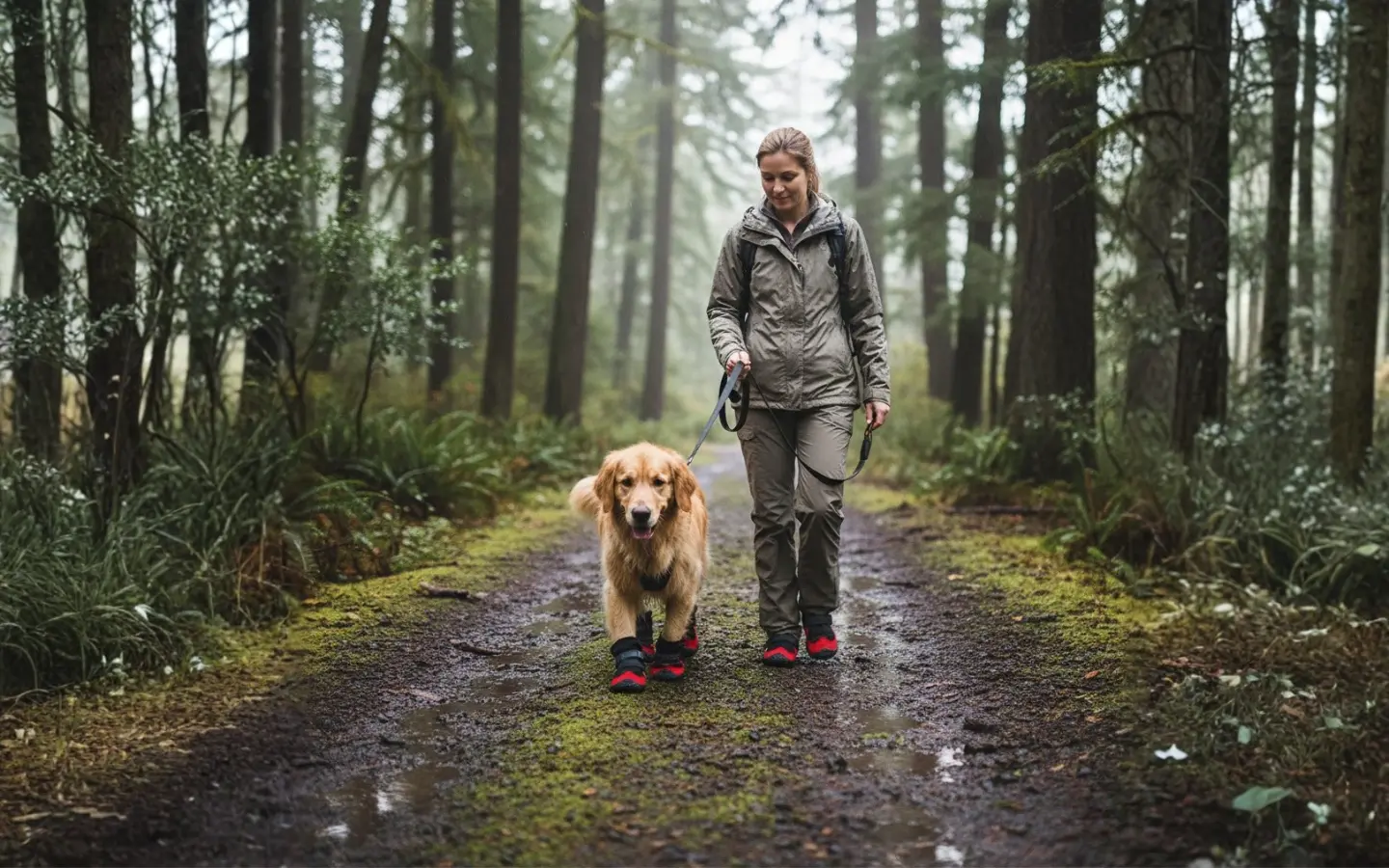
Ensuring Safe Play: Key Considerations for Outdoor Dog Toy Balls
Outdoor play is essential for a dog’s physical and mental health, and toy balls are a popular choice for active pets. However, not all balls are created equal when it comes to safety. Rough terrain, extreme weather, and enthusiastic playstyles can turn a fun game into a risky situation. By selecting the right materials, supervising play, and adapting to your dog’s needs, you can minimize hazards and keep your furry friend safe. Here’s how to approach outdoor toy ball safety with care.
Choosing the Right Materials for Durability and Safety
Opting for Non-Toxic, Chew-Resistant Materials
Dogs often chew on their toys, especially when excited or bored. Low-quality balls made from toxic plastics or soft rubber can break into small pieces, posing a choking hazard or causing intestinal blockages. Look for balls labeled “non-toxic” and “BPA-free,” which are safer if ingested accidentally. Chew-resistant materials like hard rubber or natural rubber blends withstand aggressive play longer, reducing the risk of sharp edges or splintering. Avoid balls with glued-on parts, as these can detach during chewing.
Avoiding Small or Lightweight Balls for Large Breeds
A ball that’s too small can easily get stuck in a dog’s throat, while lightweight options may be swallowed whole during energetic play. For large or powerful chewers, choose balls larger than their muzzle width to prevent accidental ingestion. Heavy-duty balls designed for big breeds are less likely to break apart under pressure. If your dog loves to carry toys in their mouth, ensure the ball’s size allows for safe gripping without obstructing breathing.
Selecting Water-Friendly Options for Pool or Lake Play
If your dog enjoys swimming, water-friendly balls are a must. Regular rubber balls can absorb water, becoming heavy and difficult to retrieve. Floating balls made from closed-cell foam or hollow rubber stay buoyant, making them easier for dogs to spot and carry. Avoid balls with holes or seams that trap water, as these can sink or mold over time. Rinse water toys after use to remove chlorine, algae, or debris that could irritate your dog’s mouth.
Supervising Play to Prevent Accidents
Monitoring Interactions With Other Dogs or People
Outdoor spaces like parks or beaches often attract multiple dogs, increasing the risk of toy-related conflicts. Some dogs guard their toys aggressively, while others may steal or damage them during play. Keep a close eye on your dog’s behavior and intervene if they growl, snap, or refuse to share. If your dog is easily overstimulated, play in quieter areas or during off-peak hours to reduce competition. Always carry a spare ball to redirect attention if tensions rise.
Checking for Wear and Tear After Each Use
Even durable balls can develop cracks, holes, or weak spots over time. After every play session, inspect the ball for damage, especially if your dog chews vigorously or plays on rough surfaces like concrete or gravel. Discard any ball with sharp edges, exposed stuffing, or signs of splitting, as these can injure your dog’s mouth or paws. Rotate toys regularly to distribute wear evenly and extend their lifespan.
Preventing Overexertion in Hot or Cold Weather
Extreme temperatures affect how dogs play with balls. In hot weather, asphalt or sand can heat balls to dangerous levels, burning your dog’s paws or mouth. Opt for shaded play areas or cool surfaces like grass, and take frequent breaks to prevent heatstroke. In cold climates, frozen balls can become brittle and shatter upon impact, creating sharp fragments. Store balls indoors during freezing temperatures and avoid throwing them onto icy ground.
Adapting Play Styles to Your Dog’s Size and Energy Level
Adjusting Throwing Distance for Small or Senior Dogs
Small breeds or older dogs may struggle to chase balls thrown long distances, leading to frustration or injury. Short, gentle tosses are safer and more engaging for these pets, allowing them to retrieve the ball without overexerting themselves. Use a soft underhand throw to avoid startling them, and choose lighter balls that are easier to carry. For senior dogs with joint issues, consider rolling the ball instead of throwing it to reduce impact on their legs.
Encouraging Gentle Play for Brachycephalic Breeds
Breeds with short snouts, like Bulldogs or Pugs, have limited airflow and tire quickly during intense exercise. Avoid games that involve rapid sprinting or prolonged chasing, as these can cause overheating or respiratory distress. Instead, engage them in short bursts of play with soft, slow-moving balls. Pause frequently to let them rest and provide water to stay hydrated. If your dog shows signs of labored breathing or excessive panting, end the play session immediately.
Using Interactive Toys for High-Energy Dogs
Active breeds like Border Collies or Huskies need mental stimulation alongside physical exercise. Interactive balls that dispense treats or make noise can keep them engaged longer, reducing boredom-related behaviors like destructive chewing. Puzzle balls or balls with hidden compartments challenge your dog to work for rewards, slowing down their play and preventing overexcitement. Always supervise these toys to ensure your dog doesn’t chew or swallow small parts.
By prioritizing safe materials, supervising play, and tailoring activities to your dog’s needs, you can create a fun and secure outdoor play environment. Regularly assess your dog’s toys for damage, adapt to weather conditions, and respect their physical limits to prevent accidents. With these precautions, your dog can enjoy their favorite ball games without unnecessary risks.