

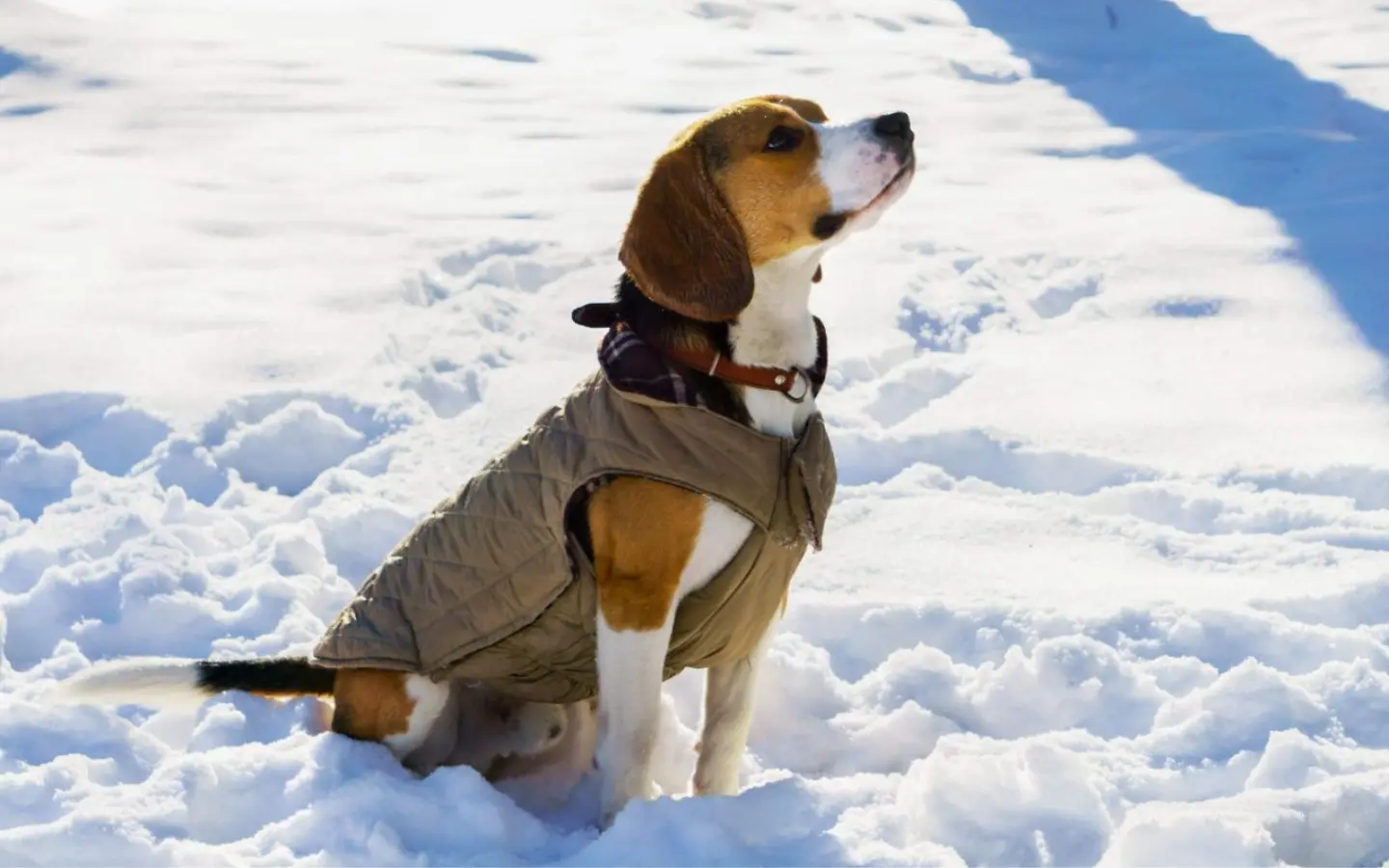
How to Repair a Damaged Waterproof Coating on Your Dog’s Raincoat
A waterproof coating on your dog’s raincoat is essential for keeping them dry during walks in wet weather. Over time, however, this coating can wear down due to frequent use, exposure to rough surfaces, or improper storage. If you notice water soaking through the fabric instead of beading up, it’s likely time to repair or restore the waterproofing. Below are practical steps to help you address this issue without replacing the entire raincoat.
Assessing the Extent of the Damage
Before attempting any repairs, carefully examine the raincoat to determine where the waterproof coating has failed. Look for areas where the fabric appears darker or feels damp after exposure to water. Common trouble spots include seams, hems, and areas where the raincoat rubs against your dog’s body or harness. Use a flashlight to check for tiny holes or thinning patches in the coating, as these can allow moisture to seep through.
If the damage is limited to small sections, such as a few seams or a small tear, you may be able to focus your repair efforts on those specific areas. However, if the entire raincoat feels less water-resistant or shows signs of widespread wear, a more comprehensive approach might be necessary. Testing the raincoat by lightly spraying it with water and observing how it behaves can give you a clearer idea of the problem’s scope.
Cleaning the Raincoat Before Repair
Dirt, grime, and residual detergents can interfere with the effectiveness of waterproofing treatments. Start by gently cleaning the raincoat to remove any contaminants that might prevent the new coating from adhering properly. Use a mild, pet-safe detergent and lukewarm water to hand-wash the garment. Avoid harsh chemicals or bleach, as these can further degrade the fabric and coating.
Pay special attention to areas with visible damage, such as seams or stains, and scrub lightly with a soft-bristled brush if needed. Rinse the raincoat thoroughly under running water to ensure all soap residue is removed. After washing, gently squeeze out excess water without wringing or twisting the fabric, as this can stretch or damage it. Allow the raincoat to air-dry completely in a well-ventilated area away from direct sunlight or heat sources, which could warp the material.
Restoring the Waterproof Coating
Once the raincoat is clean and dry, you can proceed with restoring its waterproof properties. There are several methods to do this, depending on the type of fabric and the severity of the damage. One common approach is to use a waterproofing spray designed for outdoor gear. These sprays create a protective barrier that repels water while allowing the fabric to breathe. Apply the spray evenly across the entire surface of the raincoat, holding the can about 6–8 inches away to ensure consistent coverage.
For targeted repairs, such as sealing seams or small tears, a waterproof seam sealer can be more effective. This type of product is applied directly to the damaged area and dries to form a flexible, waterproof bond. Use a thin brush or applicator to carefully apply the sealer along the seam lines or over the tear, ensuring complete coverage without excess buildup. Allow the sealer to dry according to the manufacturer’s instructions before testing the repair.
Testing and Maintaining the Repair
After applying the waterproofing treatment, it’s crucial to test the raincoat to ensure the repair was successful. Hang the raincoat outdoors or in a shower area and lightly spray it with water. Observe how the water behaves: if it beads up and rolls off the fabric, the coating is working correctly. If any areas still absorb water, you may need to reapply the treatment or focus on those spots again.
To prolong the life of the repaired waterproof coating, avoid machine-washing the raincoat frequently, as this can strip away the protective layer over time. Instead, spot-clean dirty areas as needed and hand-wash the garment only when absolutely necessary. Store the raincoat in a cool, dry place away from moisture and extreme temperatures, and avoid folding it in a way that creates creases, which can weaken the fabric and coating.
Addressing Persistent Leaks or Large-Scale Damage
If the raincoat continues to leak despite your repair efforts, or if the damage is too extensive to fix with sprays or sealers, you may need to consider more advanced solutions. In some cases, applying a thin layer of wax-based waterproofing compound can provide additional protection, especially for heavier fabrics like canvas or denim. However, this method requires careful application and may alter the texture or appearance of the raincoat.
For raincoats with large tears or holes, patching the affected area with a compatible waterproof fabric can be a temporary fix. Cut a patch slightly larger than the damaged section and attach it using a waterproof adhesive or by sewing it on with a water-resistant thread. Ensure the patch is securely fastened and that no gaps remain where water could enter. While this won’t restore the original coating, it can prevent further leakage until you decide to replace the raincoat.
By following these steps, you can effectively repair a damaged waterproof coating on your dog’s raincoat and extend its usefulness. Regular maintenance and prompt attention to minor issues can help keep your pet dry and comfortable during inclement weather without the need for frequent replacements.