

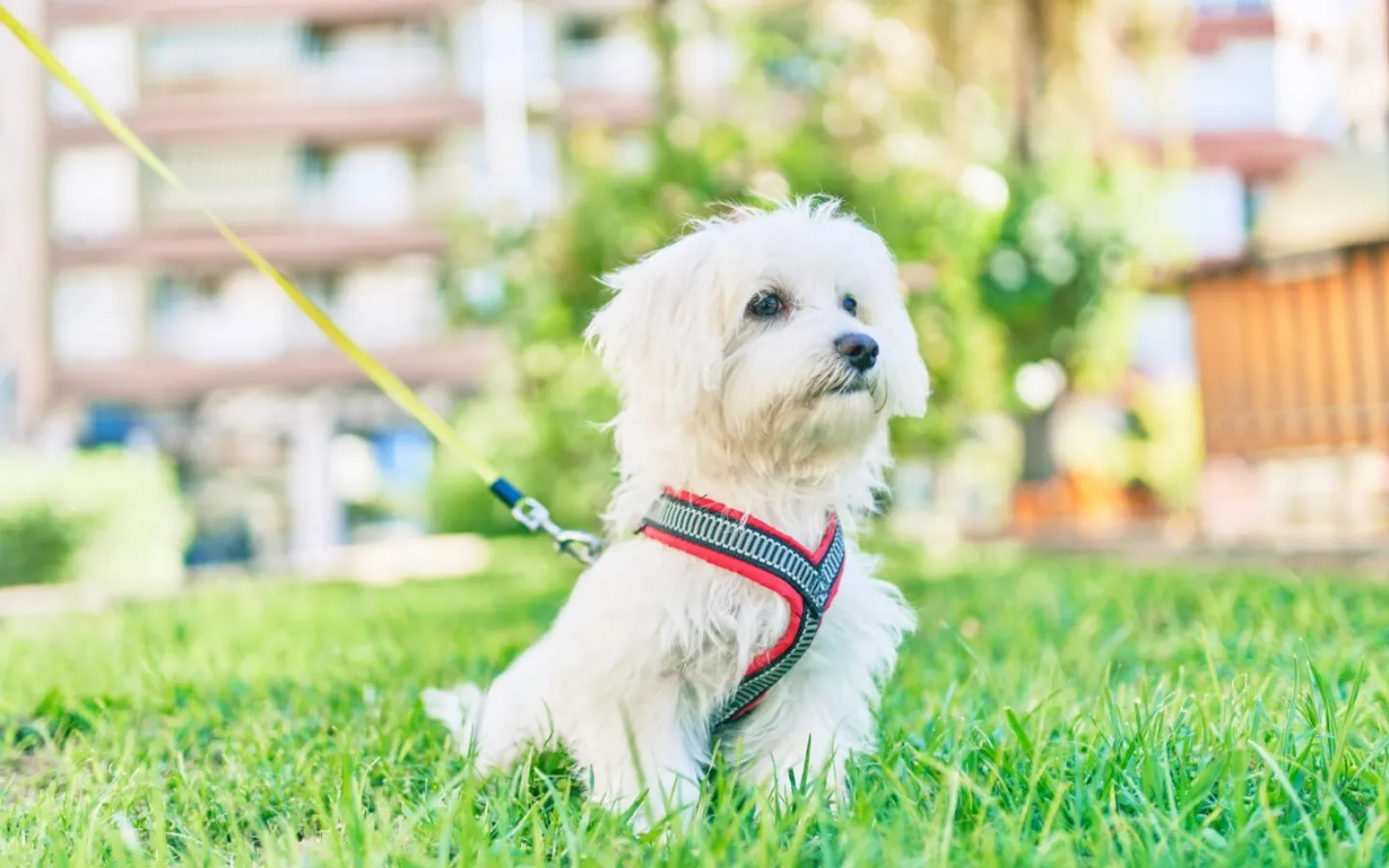
Mastering Outdoor Dog Stroller Use: Essential Tips for Smooth Rides
Taking your dog outdoors in a lightweight stroller can be a game-changer, especially for seniors, small breeds, or pets recovering from injuries. However, navigating uneven terrain, crowds, or steep hills requires skill to ensure your dog’s comfort and safety. By mastering steering techniques, adjusting for different environments, and prioritizing your dog’s needs, you can turn stroller outings into enjoyable adventures. Here’s how to handle a dog stroller like a pro.
Navigating Different Terrains with Confidence
Handling Uneven Surfaces Like Gravel or Grass
Lightweight strollers excel on smooth paths but can struggle on rough ground. When pushing over gravel, dirt, or grass, slow your pace to maintain control. Keep your grip firm on the handlebar, using both hands to distribute weight evenly. If the stroller wobbles, gently lean into the direction of the tilt to stabilize it. Avoid sudden turns, which can cause the stroller to tip. For extra stability, engage the stroller’s braking system when pausing on uneven ground.
Managing Steep Inclines or Declines
Climbing hills or descending slopes demands careful balance. When going uphill, lean forward slightly to shift your weight toward the front wheels, reducing strain on the stroller’s frame. If the stroller has a locking mechanism for the front wheel, activate it to prevent swiveling, which can make steering harder. Going downhill? Lean back to keep the stroller’s center of gravity low, preventing it from rolling forward too quickly. Use the brakes intermittently to control speed, especially if your dog is prone to jumping out.
Steering Around Obstacles Like Curbs or Roots
Urban environments often feature curbs, tree roots, or potholes that can jolt your dog. Approach curbs head-on rather than at an angle to avoid tipping. Lift the front wheels slightly by pressing down on the handlebar, then gently roll the back wheels over the edge. For roots or small bumps, maintain a steady speed to minimize jarring. If the stroller has suspension, test how it absorbs shocks on flat ground first to understand its limits. Always check the path ahead for potential hazards to plan your route smoothly.
Ensuring Your Dog’s Comfort During the Ride
Securing Your Dog Properly Inside the Stroller
A loose or unrestrained dog can shift the stroller’s balance or escape mid-ride. Use the stroller’s built-in harness or attach a lightweight leash to the interior to keep your dog in place. Adjust the harness so your dog can sit or lie down comfortably without sliding around. If your dog is anxious, place a familiar blanket or toy inside to create a cozy environment. For puppies or small breeds, add a soft cushion to prevent them from bouncing around on bumpy terrain.
Adjusting the Stroller for Optimal Ventilation
Dogs overheat quickly, especially in warm weather. Choose a stroller with mesh windows or adjustable canopies to regulate airflow. On hot days, open all ventilation panels and position the stroller in shaded areas when possible. Avoid covering the stroller with thick blankets, as this can trap heat. If your dog pants excessively or seems lethargic, take a break in a cool spot and offer water. In cold weather, layer a lightweight blanket over the stroller’s opening to keep your dog warm without blocking airflow.
Monitoring Your Dog’s Behavior for Signs of Stress
Even the best strollers can stress some dogs. Watch for whining, pawing at the stroller’s walls, or attempts to escape, which may indicate discomfort or anxiety. If your dog seems uneasy, pause the ride and offer reassurance. Gradually introduce the stroller by taking short trips indoors or in quiet outdoor areas before tackling busier environments. For reactive dogs, use the stroller’s canopy to block visual stimuli like other animals or loud noises. Always carry treats to reward calm behavior and build positive associations.
Practical Tips for Everyday Stroller Use
Practicing in Safe, Open Spaces Before Venturing Out
Mastering stroller handling takes practice. Start in a flat, empty parking lot or a quiet park to get used to steering, braking, and turning. Experiment with different speeds and terrains to understand how the stroller responds. If possible, practice with a weighted backpack inside to simulate your dog’s weight. This helps you adjust your pushing technique without worrying about your dog’s safety. Once you feel confident, gradually move to busier areas like sidewalks or trails.
Maintaining the Stroller for Long-Term Durability
Regular upkeep ensures your stroller operates smoothly. After each use, wipe down the frame and wheels to remove dirt or debris that could affect movement. Check the wheels for loose screws or worn treads, tightening or replacing parts as needed. Lubricate moving components like hinges or brakes to prevent squeaking or stiffness. Store the stroller indoors to protect it from extreme temperatures or moisture, which can damage materials over time. A well-maintained stroller is safer and more comfortable for your dog.
Being Mindful of Etiette in Shared Outdoor Spaces
Strollers share paths with pedestrians, cyclists, and other stroller users. Keep to the right side of trails or sidewalks to allow others to pass easily. If your stroller is wide, yield to oncoming traffic by stepping aside. Avoid blocking entrances or narrow pathways, especially in crowded areas like parks or markets. When approaching other dogs, ask their owners for permission before letting your dog interact, even if they’re inside the stroller. Respecting shared spaces makes outings pleasant for everyone.
By refining your steering techniques, prioritizing your dog’s comfort, and practicing good stroller maintenance, you can transform outdoor adventures into stress-free experiences. Start slow, adapt to your environment, and always keep your dog’s well-being in mind. With patience and practice, you’ll both enjoy the freedom and convenience of stroller outings.