

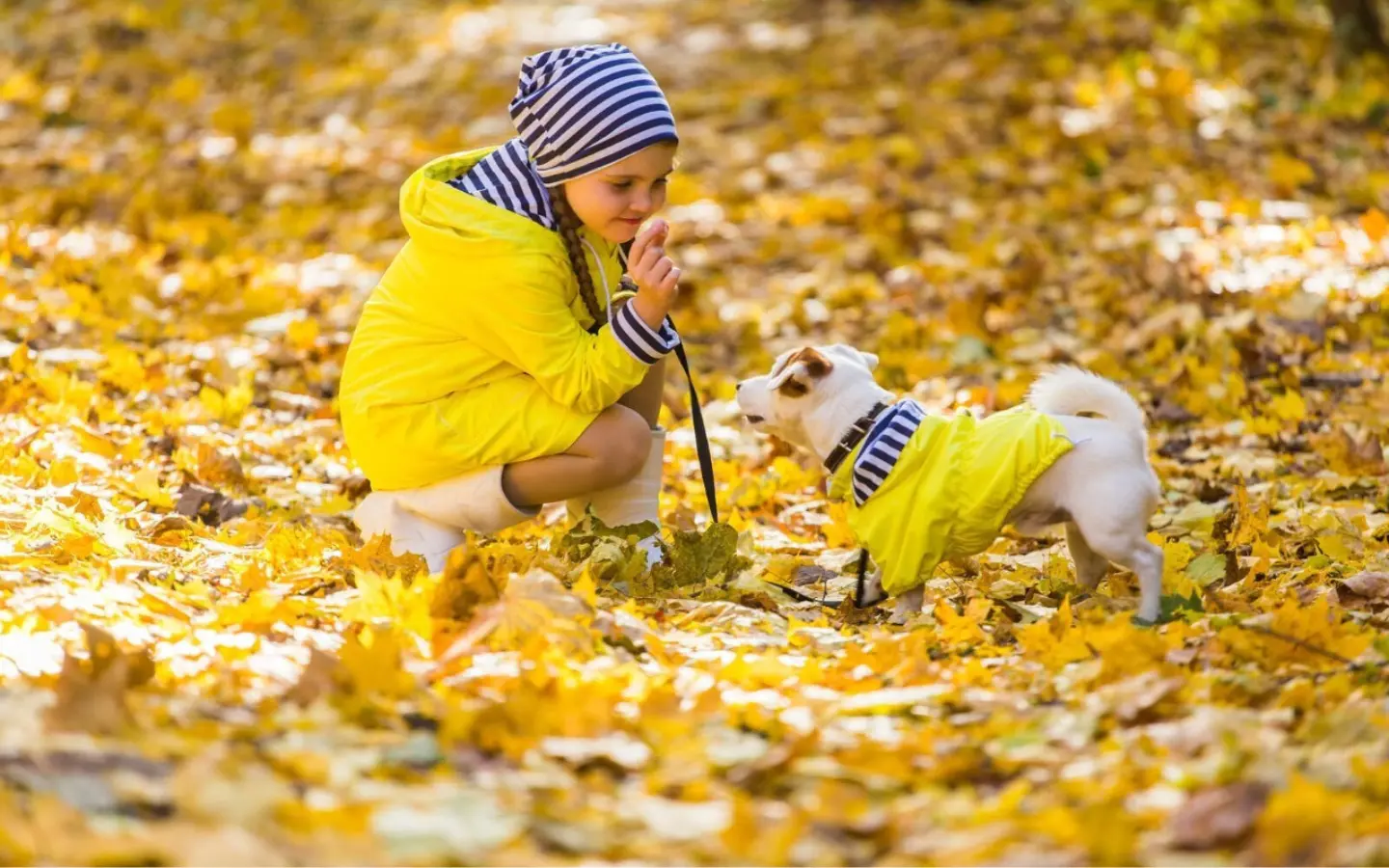
Preparing Your Dog for Long-Distance Travel While Wearing a Raincoat
Long journeys, whether by car, train, or plane, can be stressful for dogs, and adding a raincoat to the mix introduces unique challenges. From ensuring comfort during extended wear to managing safety in unpredictable weather, careful preparation is key. Here’s how to equip your dog for a smooth, stress-free trip while keeping them dry and protected.
Proper Fit and Material Selection: Prioritizing Comfort for Extended Wear
A raincoat that fits poorly can cause chafing, restricted movement, or overheating during long trips. Dogs may also develop irritation from prolonged contact with non-breathable fabrics. To avoid discomfort, choose a raincoat designed for active wear, with adjustable straps and stretch panels to accommodate movement.
Before the trip, test the coat during short walks or play sessions to identify any pressure points (e.g., under the armpits, around the neck, or across the belly). If the dog shows signs of rubbing (e.g., redness, licking, or whining), adjust the fit or add a soft, moisture-wicking layer underneath. For extended travel, opt for a lightweight, breathable coat to prevent heat buildup, especially in warmer climates or enclosed vehicles.
Safety and Mobility: Ensuring Unrestricted Movement in Vehicles
In cars or other vehicles, a raincoat must not interfere with the dog’s ability to sit, lie down, or turn around comfortably. A coat that’s too bulky or stiff could restrict their movement in a crate or seatbelt harness, increasing anxiety or risk of injury.
To maintain safety, pair the raincoat with a secure restraint system (e.g., a crash-tested harness or crate). Ensure the coat doesn’t bunch under the harness straps or obstruct the dog’s ability to brace themselves during sudden stops. If traveling by plane, check airline regulations regarding pet attire and confirm that the coat won’t interfere with in-cabin carriers or temperature controls.
Hydration and Ventilation: Balancing Protection and Heat Management
Raincoats trap heat and moisture, which can lead to dehydration or heatstroke during long trips, especially in warm or humid weather. Dogs may also avoid drinking water if the coat feels cumbersome or wet.
To mitigate this, schedule regular stops (every 2–3 hours) to remove the coat, offer water, and let the dog stretch. If traveling in a car, crack the windows slightly for ventilation or use a fan to circulate air. For flights or train rides, carry a collapsible water bowl and damp cloth to wipe the dog’s paws and belly if they overheat. Avoid leaving the dog unattended in a raincoat in direct sunlight or stagnant air.
Behavioral Adaptation: Reducing Stress During Unfamiliar Travel
Many dogs associate raincoats with negative experiences (e.g., wet walks, vet visits), which can amplify anxiety during travel. The coat’s noise, fit, or sensation might also distract them from navigating new environments, like busy rest stops or airport terminals.
To ease stress, acclimate the dog to the raincoat well before the trip. Pair wearing it with positive experiences, such as car rides, treats, or calm playtime. During travel, use familiar scents (e.g., a blanket or toy) to create a sense of security. If the dog becomes agitated, distract them with a chew toy or puzzle feeder, and avoid forcing interactions with strangers or other animals.
Weather-Specific Adjustments: Preparing for Variable Conditions
Long trips often involve crossing climate zones, requiring flexibility in raincoat use. A coat that’s perfect for drizzle might cause overheating in sunny weather or fail to protect against heavy rain or wind.
Pack layers to adapt to changing conditions. For example, carry a lightweight, waterproof shell for rain and a breathable, wind-resistant layer for cooler temperatures. If the coat isn’t insulated, add a fleece or thermal base layer for cold climates. During stops, check the dog’s paws for debris or irritation from wet surfaces, and dry them thoroughly to prevent chapping.
Health and Emergency Preparedness: Handling Unforeseen Issues
Traveling in a raincoat increases the risk of skin irritation, heat exhaustion, or accidents (e.g., slipping on wet floors). Dogs may also be more prone to motion sickness if the coat’s fit or noise distracts them.
To stay prepared, carry a first-aid kit with antiseptic wipes, gauze, and tweezers for minor injuries. Include a thermometer to monitor for fever or overheating, and a towel to dry the dog if the coat becomes soaked. If the dog shows signs of distress (e.g., excessive panting, drooling, or vomiting), remove the coat, offer water, and find a shaded or air-conditioned area to rest.
Rest Stop Protocols: Managing Breaks Efficiently
During long drives or layovers, rest stops are critical for the dog’s comfort and safety. However, wet weather can complicate these breaks, as muddy or puddled areas may dirty the coat or cause the dog to track debris into the vehicle.
To streamline rest stops, choose locations with grassy or paved areas away from traffic. Before letting the dog out, partially unzip or loosen the coat to make it easier to remove if needed. After the break, use baby wipes or a damp cloth to clean paws and belly, and dry the coat with a towel to prevent chills. If the coat is heavily soiled, consider replacing it with a clean, dry layer for the remainder of the journey.
Conclusion: Ensuring a Safe and Comfortable Journey
Preparing a dog for long-distance travel in a raincoat requires attention to fit, safety, hydration, stress management, and weather adaptability. By selecting the right gear, scheduling regular breaks, and staying vigilant for signs of discomfort, owners can help their pets navigate travel with ease. With proactive planning and flexibility, even rainy-day adventures can be enjoyable and stress-free for both dog and owner.