

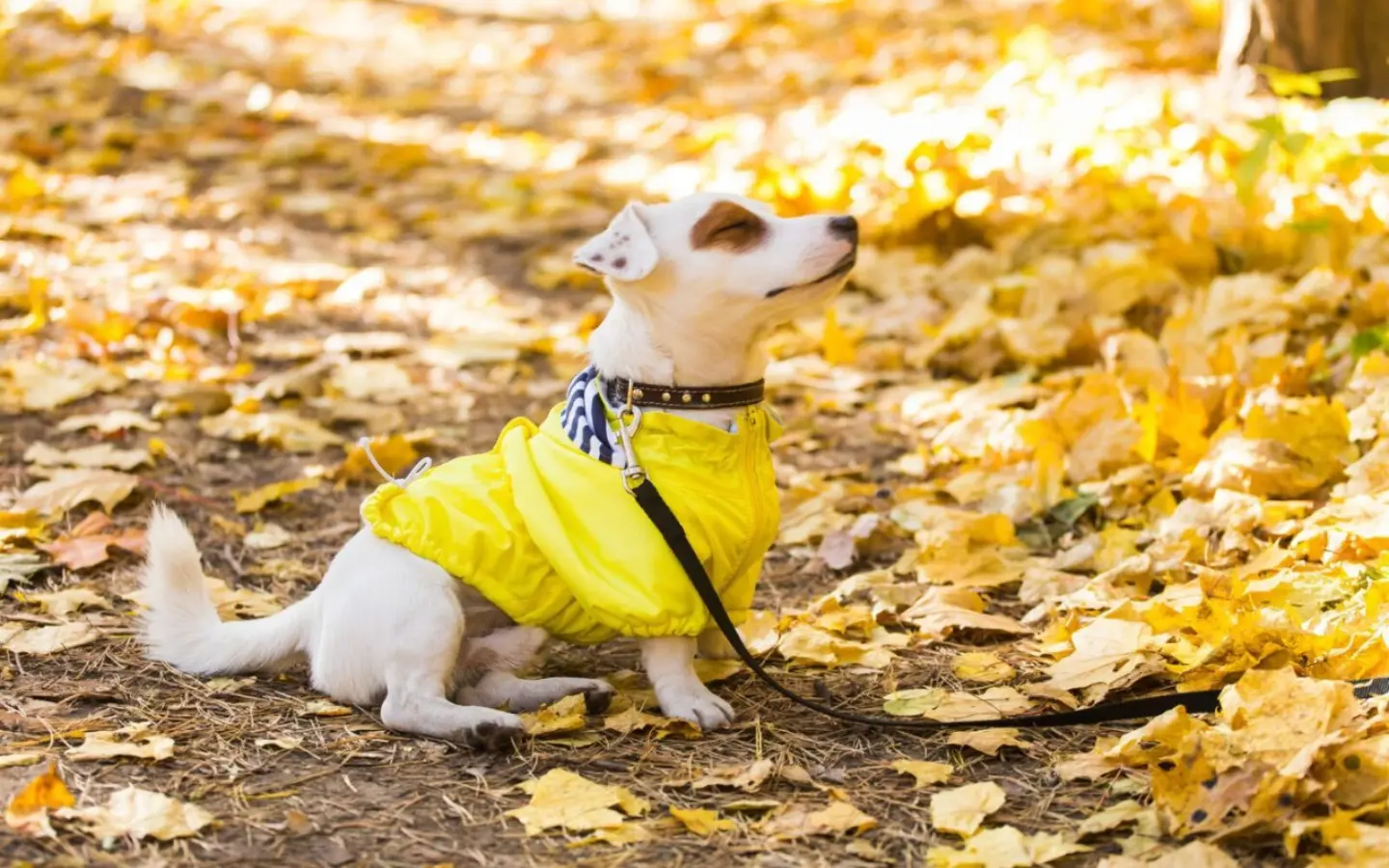
Essential Cold-Weather Care Tips for Your Dog’s Raincoat
During winter, your dog’s raincoat faces unique challenges, from freezing temperatures to road salt and moisture buildup. Proper maintenance ensures it remains functional, comfortable, and durable throughout the season. Here’s how to protect the garment from cold-weather damage while keeping your pet safe and dry.
Cleaning Off Salt, Ice, and De-icing Chemicals After Walks
Road salt, ice melt, and chemical de-icers commonly used in winter can corrode fabric, irritate your dog’s skin, and weaken waterproof coatings. After each walk, rinse the raincoat under lukewarm water to dissolve and remove residue. Focus on the legs, belly, and hem, where these substances accumulate most. Use a soft cloth or sponge to gently scrub stubborn patches, avoiding abrasive tools that might fray the material.
For dried-on salt or grime, mix a mild, pH-neutral detergent with water and dab the affected areas. Rinse thoroughly to prevent soap buildup, which can attract more dirt. If the raincoat has a removable lining, wash it separately following the same steps. Always air-dry the garment completely before storing it, as dampness trapped in cold environments can lead to mold or mildew growth.
Storing the Raincoat in a Dry, Temperature-Controlled Environment
Extreme cold can cause synthetic fabrics to become brittle, increasing the risk of tears or cracks. Avoid leaving the raincoat in unheated garages, sheds, or vehicles overnight. Instead, store it indoors in a closet or mudroom where temperatures remain stable. If hanging the raincoat, use a padded hanger to maintain its shape and prevent stretching at the shoulders or neck.
For long-term storage between seasons, ensure the raincoat is clean and fully dry. Fold it loosely or roll it gently to avoid creasing, which can weaken the fabric over time. Place it in a breathable cotton bag or pillowcase to protect it from dust while allowing air circulation. Avoid plastic containers, as they trap moisture and promote mildew.
Inspecting and Repairing Damage Before and After Use
Cold weather exacerbates existing wear, such as frayed seams, small tears, or loose threads. Before winter arrives, examine the raincoat under bright light for signs of damage. Pay close attention to high-stress areas like the armpits, collar, and zipper edges. Use a sharp pair of fabric scissors to trim any frayed ends, preventing them from unraveling further.
If you notice small holes or weakened seams, reinforce them with a needle and strong polyester thread. For larger tears, apply a patch of compatible waterproof fabric using a whipstitch or blanket stitch. After repairs, test the raincoat by lightly spraying it with water to ensure no leaks exist. Repeat inspections periodically throughout winter, as frequent use can uncover new issues.
Preventing Static Buildup and Fabric Stiffness
Dry indoor air during winter can cause synthetic raincoat materials to generate static electricity, making them cling to your dog’s fur or attract lint. To reduce static, lightly mist the interior of the raincoat with water using a spray bottle before dressing your pet. Alternatively, rub a dryer sheet (unscented and pet-safe) over the fabric to neutralize charges.
Fabric stiffness is another common issue in cold temperatures. If the raincoat feels rigid or uncomfortable, gently massage it with your hands to soften the material. Avoid using fabric softeners or heat sources like hairdryers, as these can damage waterproof coatings or melt synthetic fibers. Instead, let the garment adjust to room temperature naturally before use.
By following these steps, you can extend the lifespan of your dog’s raincoat and ensure it provides reliable protection against winter’s harshest elements. Regular cleaning, proper storage, and proactive repairs keep the garment in top condition, safeguarding your pet during chilly walks and outdoor adventures.