

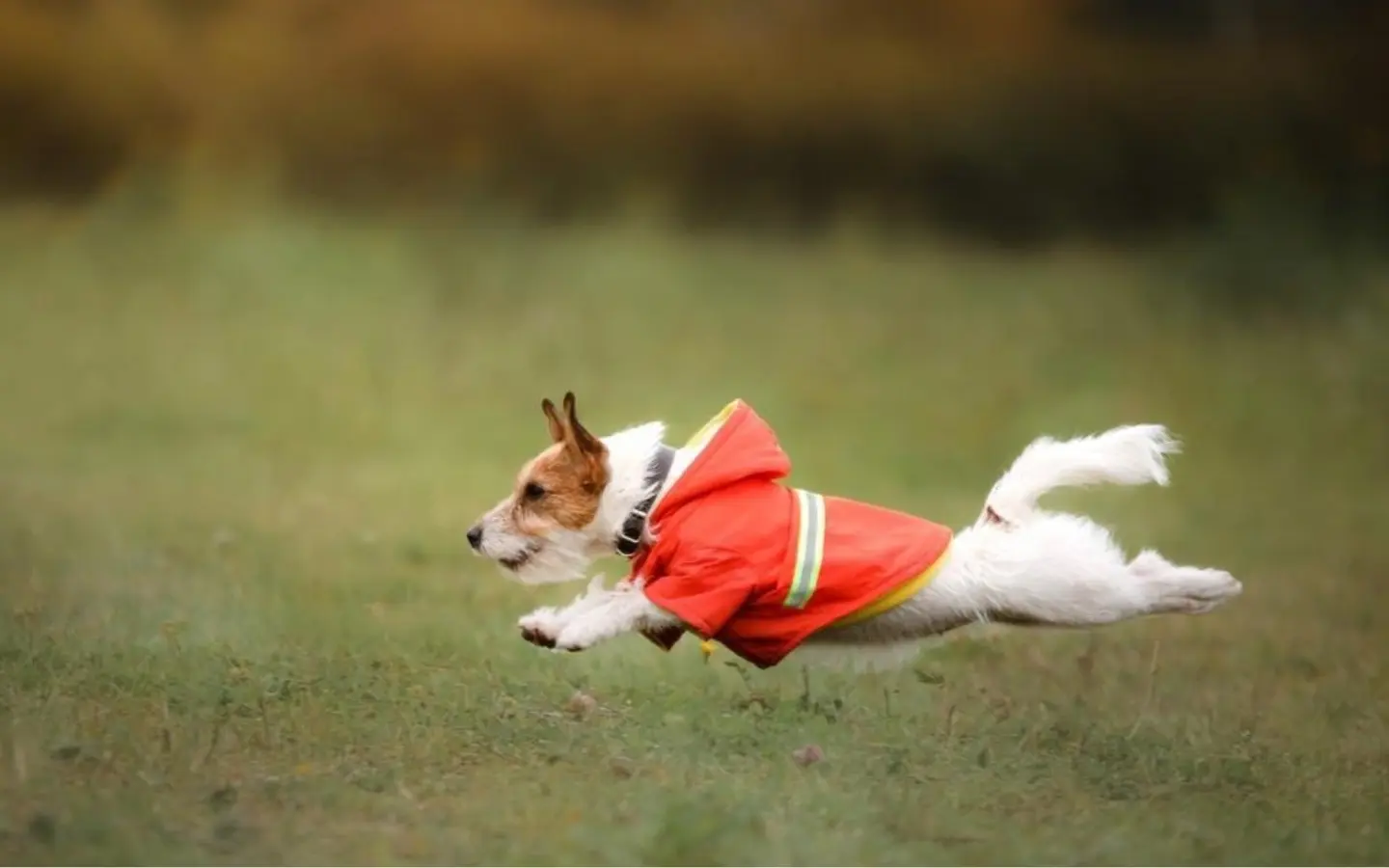
Jumping Training for Dogs Wearing Raincoats: Key Considerations and Techniques
Training your dog to jump safely and effectively while wearing a raincoat requires adjusting your approach to accommodate the added layer of fabric. Raincoats can restrict movement, alter balance, or create distractions, but with the right strategies, you can help your dog maintain agility and confidence. Here’s how to navigate this unique training scenario with care and creativity.
Ensure Proper Raincoat Fit for Unrestricted Movement
A poorly fitting raincoat can hinder your dog’s ability to jump by limiting leg extension or shifting their center of gravity. Prioritize comfort and flexibility during training sessions.
- Check Leg Openings: The raincoat should allow full range of motion in the shoulders and hips. Avoid designs that bunch up near the joints or rub against the armpits.
- Opt for Lightweight Materials: Heavy or stiff fabrics can weigh your dog down. Choose breathable, water-resistant options that move with their body.
- Test Mobility Indoors: Before jumping outdoors, let your dog wear the raincoat during short bursts of play or gentle trotting. Observe how they adjust their stride and make fit adjustments as needed.
Gradually Introduce Jumping Challenges
Start with low-intensity jumps to help your dog acclimate to the raincoat’s feel during movement. Progress slowly to avoid overwhelming them or causing frustration.
- Begin with Curb-Height Jumps: Use a low, stable platform like a curb or a stack of flat books to practice takeoffs and landings. Reward smooth, controlled movements.
- Increase Height Incrementally: Once your dog seems comfortable, raise the jump height by small amounts (e.g., 2–3 inches at a time). Watch for signs of hesitation or imbalance.
- Vary Jump Surfaces: Practice on grass, sand, or rubber mats to help your dog adapt to different textures underfoot while wearing the raincoat.
Focus on Technique Over Height or Speed
Emphasize proper form to reduce the risk of injury and build confidence. A raincoat might alter your dog’s perception of their body, so clear cues and repetition are essential.
- Teach “Wait” and “Jump” Commands: Use verbal cues to signal when to pause before a jump and when to leap. This helps your dog process the raincoat’s presence during decision-making.
- Encourage Four-Paw Coordination: Reward jumps where your dog pushes off evenly with all legs. Avoid letting them compensate by hopping or leaning to one side.
- Practice Landing Softly: After jumping, guide your dog to a soft surface like a towel or mat. Use treats to reward quiet, controlled landings that minimize impact on joints.
Monitor for Signs of Discomfort or Overheating
Raincoats can trap heat or cause chafing, especially during physical activity. Stay vigilant to ensure your dog remains safe and comfortable throughout training.
- Watch for Panting or Lethargy: If your dog breathes heavily or slows down quickly, take a break in a shaded area and remove the raincoat temporarily.
- Check for Skin Irritation: After training, inspect areas where the raincoat rubs, such as the neck, chest, or inner thighs. Look for redness or hair matting.
- Adjust Training Duration: Keep sessions short (5–10 minutes) for puppies or senior dogs, gradually extending as they build endurance. Always end on a positive note.
Use Positive Reinforcement to Build Confidence
Jumping in a raincoat can feel unnatural at first, so keep training upbeat and rewarding. Celebrate small progress to motivate your dog.
- Offer High-Value Treats: Use treats your dog rarely gets (e.g., small pieces of cheese or cooked meat) to reward successful jumps and calm behavior.
- Incorporate Play Breaks: Mix jumping drills with fetch or tug-of-war to prevent boredom and associate the raincoat with fun activities.
- Stay Patient with Mistakes: If your dog knocks over a jump or refuses to leap, avoid scolding. Instead, reset the exercise and try again with a lower height or more encouragement.
By prioritizing fit, technique, and comfort, you can help your dog master jumping while wearing a raincoat. Tailor your approach to their individual energy level and physical abilities, and remember that consistency beats intensity in building long-term skill and confidence.