

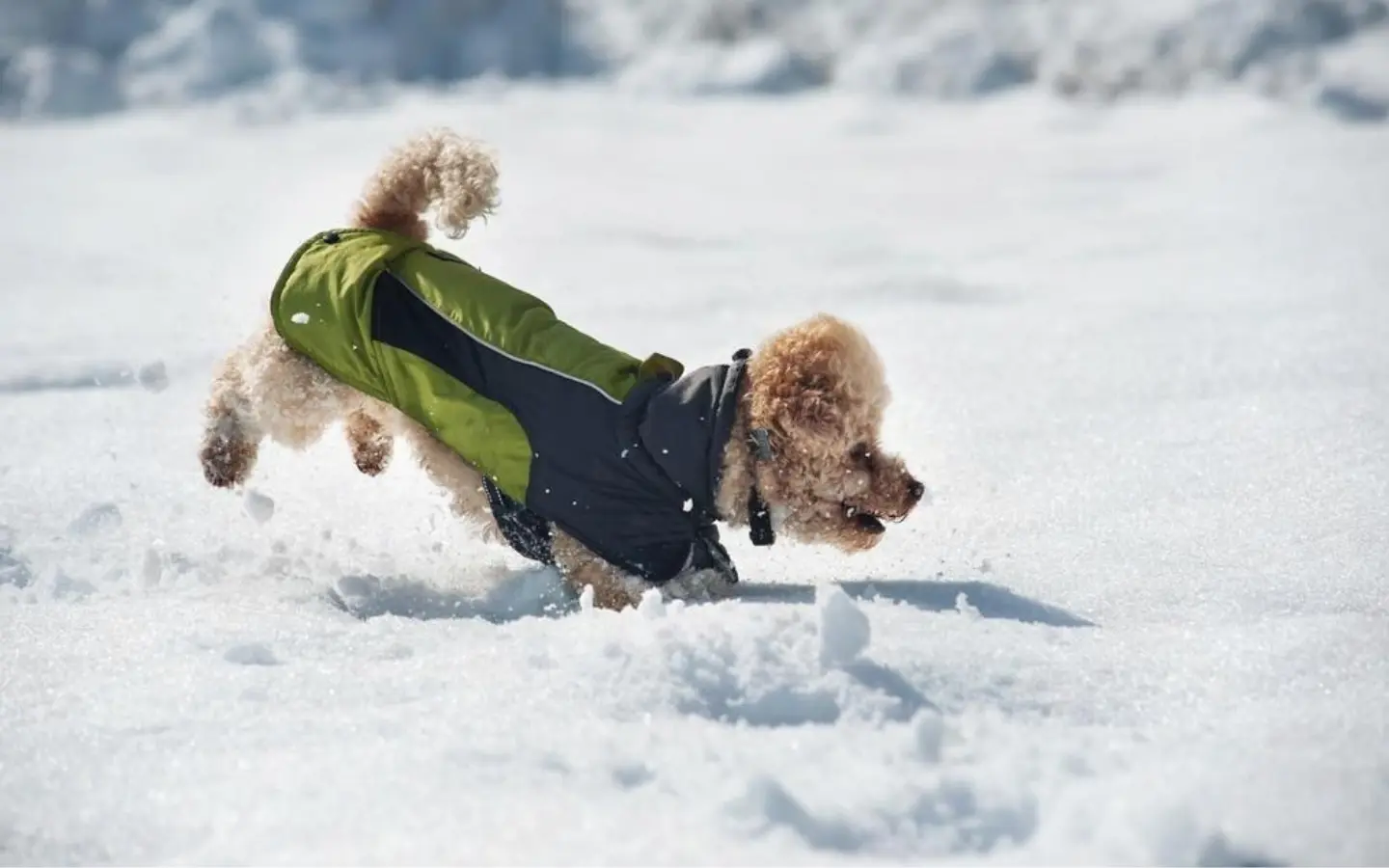
Adjusting Your Dog’s Posture When Wearing a Raincoat on Slopes: Tips for Stability and Comfort
Navigating uneven terrain like hills or stairs can challenge dogs wearing raincoats, as the fabric may restrict movement, alter balance, or create sensory distractions. Poor posture on slopes increases the risk of slips, strains, or anxiety. However, with targeted adjustments and training, you can help your dog maintain proper alignment and confidence. Here’s how to address common issues and promote safe, comfortable movement.
Encourage Proper Weight Distribution on Inclines
Dogs often lean backward or shift their weight awkwardly when climbing uphill in a raincoat, especially if the fabric bunches around their legs or torso. To counter this, train your dog to step deliberately by using verbal cues like “step up” or “slow.” Pair these commands with treats placed on each stair or slope segment, rewarding them for placing their front paws firmly before advancing.
On steep inclines, guide your dog with a leash to prevent overstriding, which can strain muscles. Keep the leash loose but supportive, allowing them to feel the ground beneath their paws. If the raincoat restricts shoulder movement, practice short walks on gentle slopes indoors first, gradually increasing the incline as they adapt.
Adjust for Downhill Stability to Prevent Slipping
Descending slopes requires controlled movement to avoid sliding or tumbling. Dogs wearing raincoats may rush downhill due to discomfort or reduced traction from wet fabric. Teach them to “brace” by pausing briefly at each step. Use a treat to lure them into a seated or crouched position mid-descent, then reward them for holding the pose for 2–3 seconds before continuing.
For slippery surfaces, encourage your dog to spread their paws wider for balance. Practice walking on textured mats or dry grass indoors while wearing the raincoat, rewarding them for keeping their legs apart. This mimics the stance needed for stable downhill movement.
Strengthen Core Muscles for Better Balance
A strong core helps dogs maintain posture regardless of terrain. Incorporate core-strengthening exercises into your routine, such as “sit-to-stand” repetitions or gentle rocking motions while your dog stands on all fours. Use treats to guide their movements and reward effort, not perfection.
Balance pads or unstable surfaces (like folded towels) can also improve coordination. Let your dog stand on these while wearing the raincoat, offering treats for staying upright. Gradually increase the difficulty by adding gentle nudges or tossing toys nearby to challenge their stability.
Modify Raincoat Fit to Avoid Movement Restrictions
Ill-fitting raincoats often exacerbate posture problems. Check that the garment allows free shoulder rotation and doesn’t rub against the armpits or groin. If the coat is too long, it may catch on their legs during strides, causing stumbling. Trim excess fabric (if safe to do so) or fold it neatly to prevent interference.
For dogs with thick fur, ensure the raincoat isn’t compressing their coat, which can restrict movement and overheat them. Choose a lightweight, breathable material that drapes smoothly over their body without clinging.
Use Visual Cues to Guide Foot Placement
Dogs rely heavily on visual feedback to navigate slopes. Place brightly colored markers (like small cones or tape) on safe path segments to highlight where your dog should step. For example, on stairs, position a marker on each tread to encourage deliberate placement. Reward them for touching the marker with their paw before advancing.
On natural slopes, use natural landmarks like rocks or patches of dry grass as guides. Over time, your dog will learn to associate these cues with stable footing, even when wearing a raincoat.
Train on Varied Terrain to Build Adaptability
Expose your dog to different slopes and surfaces to improve their confidence. Start with gentle grassy hills, then progress to gravel paths or wooden ramps. Always supervise closely to prevent injuries, and adjust the raincoat as needed for each environment.
Incorporate play into training by hiding treats or toys on slopes. For example, bury a toy halfway up a hill and encourage your dog to retrieve it. The excitement of the game will distract them from the raincoat while reinforcing positive associations with sloped terrain.
Monitor for Signs of Fatigue or Discomfort
Dogs may tire faster on slopes, especially when wearing a raincoat that adds weight or restricts airflow. Watch for heavy panting, slowed pace, or reluctance to move. If you notice these signs, take a break in a shaded area and offer water.
Check the raincoat for chafing or overheating. Wet fabric can irritate skin, so dry your dog thoroughly after walks and adjust the coat’s fit if it’s leaving red marks.
Leverage Positive Reinforcement for Consistent Progress
Reward-based training is essential for long-term success. Praise your dog verbally and offer treats for maintaining good posture, such as keeping their head up on inclines or using slow, controlled steps on descents. Consistency is key—even small improvements deserve recognition.
Avoid scolding or pulling the leash if your dog struggles. Instead, use patience and encouragement to guide them. Over time, they’ll associate slopes with positive outcomes, making raincoat-wearing a stress-free part of their routine.
Adapt Techniques for Senior Dogs or Those With Mobility Issues
Older dogs or those with arthritis may need extra support on slopes. Install ramps or non-slip mats on stairs to reduce joint strain. Use a harness to provide gentle assistance, lifting slightly under their belly as they climb or descend.
Keep sessions short and frequent to avoid overexertion. Focus on building confidence rather than endurance, and always end on a positive note with a favorite treat or game.