

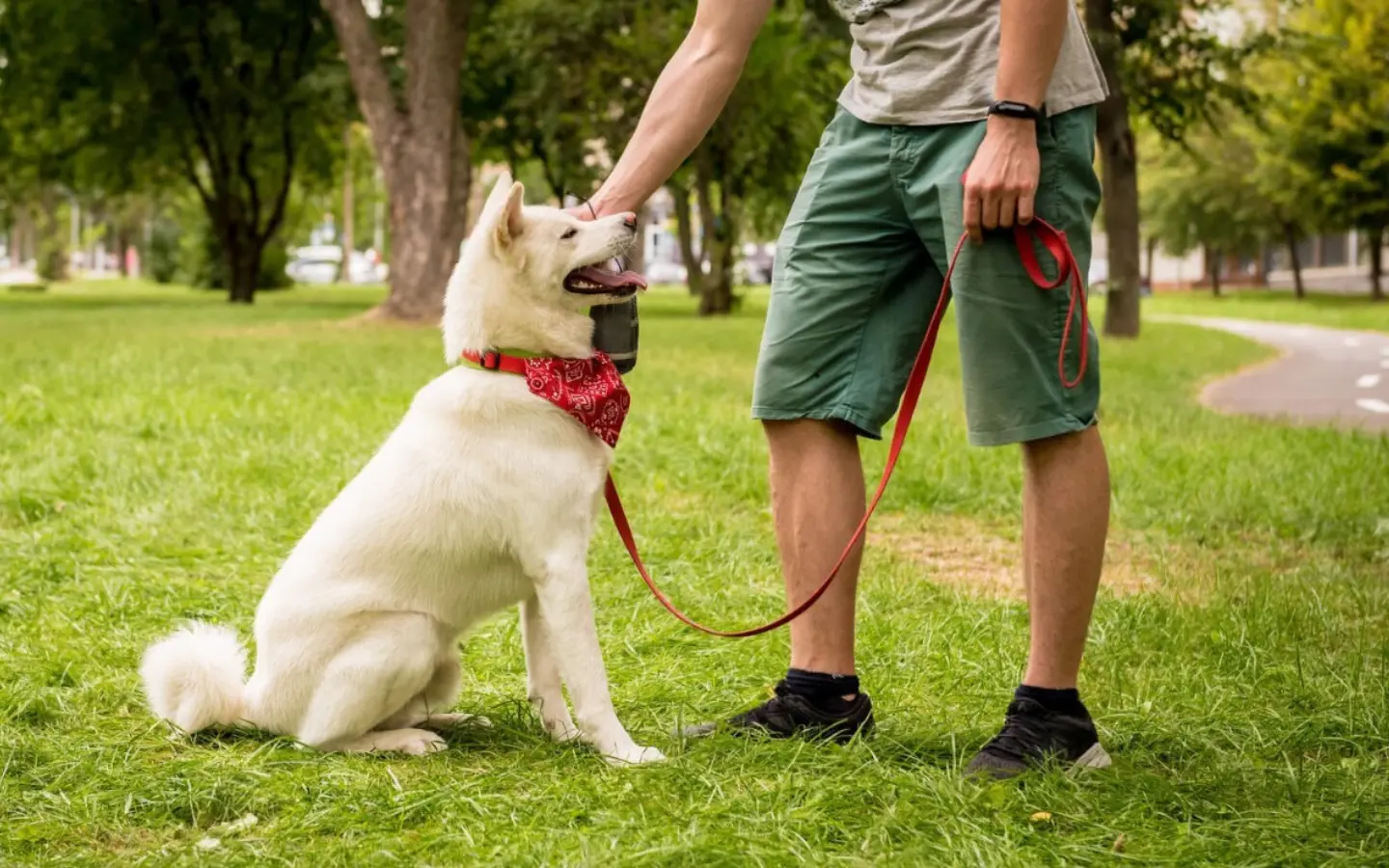
Supportive Outdoor Harnesses for Senior Dogs: Easing Joint Stress During Walks
As dogs age, their joints become more vulnerable to strain, making outdoor activities challenging. A well-designed harness can distribute pressure evenly, reduce discomfort, and encourage gentle movement. Below, we explore key features to prioritize when selecting gear for aging pets, focusing on comfort, mobility, and long-term joint health.
Balancing Weight Distribution and Mobility
Senior dogs often struggle with stiffness or arthritis, requiring harnesses that avoid placing undue stress on their shoulders, hips, or spine. Opt for designs with wide, padded straps that wrap around the chest and torso rather than the neck. These distribute force across a larger surface area, minimizing pressure on sensitive joints.
Adjustable straps are critical for customizing fit. Look for harnesses with multiple buckles or sliding adjusters that allow precise sizing, especially around the girth and neck. Loose-fitting gear can cause chafing, while overly tight straps restrict breathing or circulation. Regularly check the fit as your dog’s weight or muscle tone changes with age.
Flexibility in movement is another priority. Harnesses with ergonomic cuts or stretchable panels accommodate natural range of motion. For example, some models incorporate elastic inserts near the shoulder blades, enabling front-leg extension without constriction. This is particularly beneficial for breeds prone to hip dysplasia or elbow arthritis.
Enhancing Comfort Through Material and Design
Soft, breathable fabrics are essential for preventing skin irritation. Materials like mesh, neoprene, or plush fleece wick away moisture and reduce heat buildup during walks. Avoid rough nylon or stiff webbing, which can rub against sensitive areas or exacerbate existing skin conditions.
Padding thickness also matters. Thicker cushioning along the chest and belly provides extra support for dogs with weakened muscles or joint pain. However, balance is key—overly bulky designs may restrict movement or cause overheating. Test the harness in moderate weather to ensure your dog stays comfortable.
Ease of cleaning is often overlooked but vital for hygiene. Look for harnesses with removable, machine-washable liners or waterproof coatings that resist dirt and odors. Senior dogs may have incontinence issues, so quick-drying materials help maintain freshness between uses.
Safety Features for Aging Pets
Reflective strips or bright colors improve visibility during low-light walks, reducing the risk of accidents. This is especially important for dogs with hearing or vision loss, who may not react as quickly to oncoming traffic. Some harnesses even include LED lights or glow-in-the-dark accents for added safety.
Secure fastenings prevent accidental escapes. Double-buckle systems or reinforced stitching ensure the harness stays in place, even if your dog pulls or twists. For dogs with cognitive decline, consider models with ID tag loops or built-in GPS trackers to prevent wandering.
Handle placement is another consideration. Harnesses with top-mounted handles allow you to lift your dog gently over obstacles like curbs or uneven terrain. This is particularly useful for pets with severe arthritis or those recovering from surgery. Ensure the handle is padded and positioned near the center of gravity to avoid straining your back.
Final Considerations
Choosing the right harness for a senior dog involves balancing support, comfort, and safety. By prioritizing adjustable fits, breathable materials, and thoughtful safety features, owners can help their aging companions enjoy outdoor walks with minimal discomfort. Always consult your veterinarian to address specific joint concerns and adjust gear as needed. With the right tools, even elderly dogs can stay active and engaged in their favorite activities.