

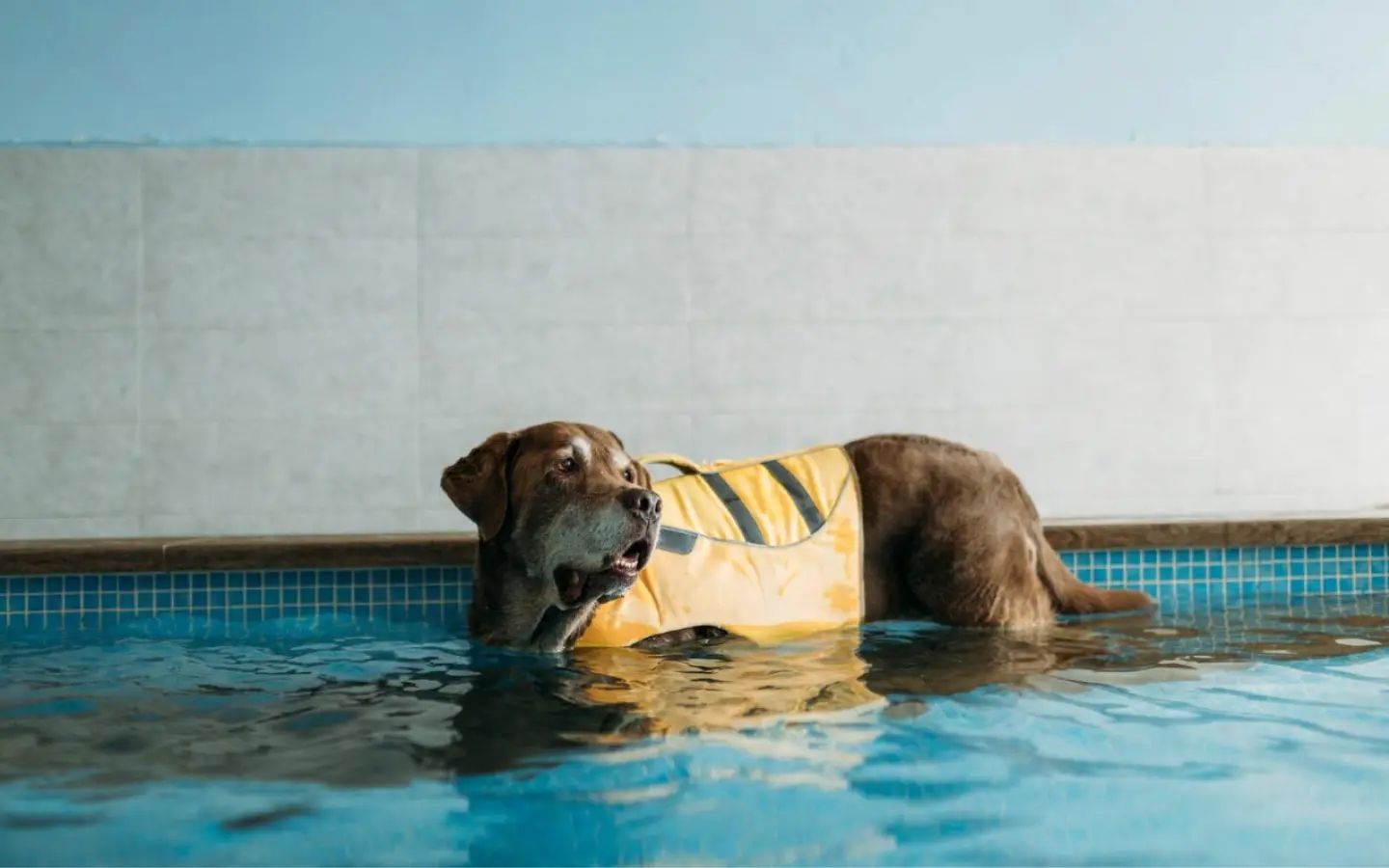
In an unfamiliar environment, dogs wearing raincoats may exhibit behavioral patterns that are different from their usual ones due to the combined influence of the restraint of the raincoat, the unfamiliarity of the environment and weather factors. The following analysis is conducted from three aspects: behavioral manifestations, influencing factors and coping strategies:
First, typical behavioral manifestations
Enhanced defensive behavior
Body tension/stiffness: The raincoat restricts natural movements (such as flapping and quick turns), making the dog more sensitive to environmental changes and possibly stiffening due to sudden sounds or object movements.
Growling/baring teeth: If a stranger or animal approaches, the raincoat may increase their anxiety and trigger a defensive warning.
The desire to explore decreases.
Sticking to the wall/Hiding: When wearing a raincoat, a dog may choose to stick to its owner or hide in a corner due to limited vision (such as being blocked by the brim of its hat) or difficulty moving around.
Reduced sniffing: Raincoats may interfere with olfactory perception (such as covering the mouth and nose), leading to a decrease in the dog’s enthusiasm for exploring the environment.
Stress response
Frequent lip-licking/yawning: A typical soothing behavior during anxiety, which may be accompanied by tremors or wheezing.
Refusal to eat or move: Losing interest in snacks or toys, or even refusing to move (such as the raincoat rubbing against the ground causing discomfort).
Second, coping strategies
Raincoat adaptability training
Gradual desensitization: First, wear a raincoat for a short period at home, and combine it with snack rewards to gradually extend to outdoor activities.
Choose the right style: Give priority to lightweight, breathable and non-restrictive raincoats (such as split types and designs without buttons on the back).
Adaptation skills for unfamiliar environments
Maintain a safe distance: Avoid direct contact with strangers or animals, and distract yourself with snacks or toys.
Progressive exposure: Start from a quiet environment (such as an open park) and gradually transition to a noisy area (such as a street).
Positive reinforcement and soothing
Snack rewards: Give rewards when the dog shows relaxed behaviors (such as sitting down or sniffing).
Physical comfort: Gently pat the back or stroke behind the ears. Avoid excessive hugging (which may increase stress).
Observation and Recording
Record behavioral changes: such as the number of times food is refused, the frequency of tremors, and types of defensive behaviors, in order to adjust the training plan.
Identify stress signals: such as frequent lip licking, yawning, and tail drooping, and intervene in time.
Third, precautions
Avoid coercive actions: such as forcibly dragging or scolding, which may intensify fear.
Respect your dog’s wishes: If you continue to refuse to wear a raincoat, you can switch to a waterproof chest strap or reduce the time spent outdoors.
Health check: If the dog shows excessive shivering, vomiting or diarrhea, it is necessary to investigate whether it is caused by an allergy to the material of the raincoat or low temperature.
Summary
Dogs wearing raincoats are more likely to exhibit defensive behaviors and have a reduced desire to explore in unfamiliar environments. Their anxiety needs to be gradually alleviated through adaptive training, positive reinforcement and environmental management. The owner needs to patiently observe the behavioral changes and flexibly adjust the strategies to ensure the safety and comfort of the dog.