

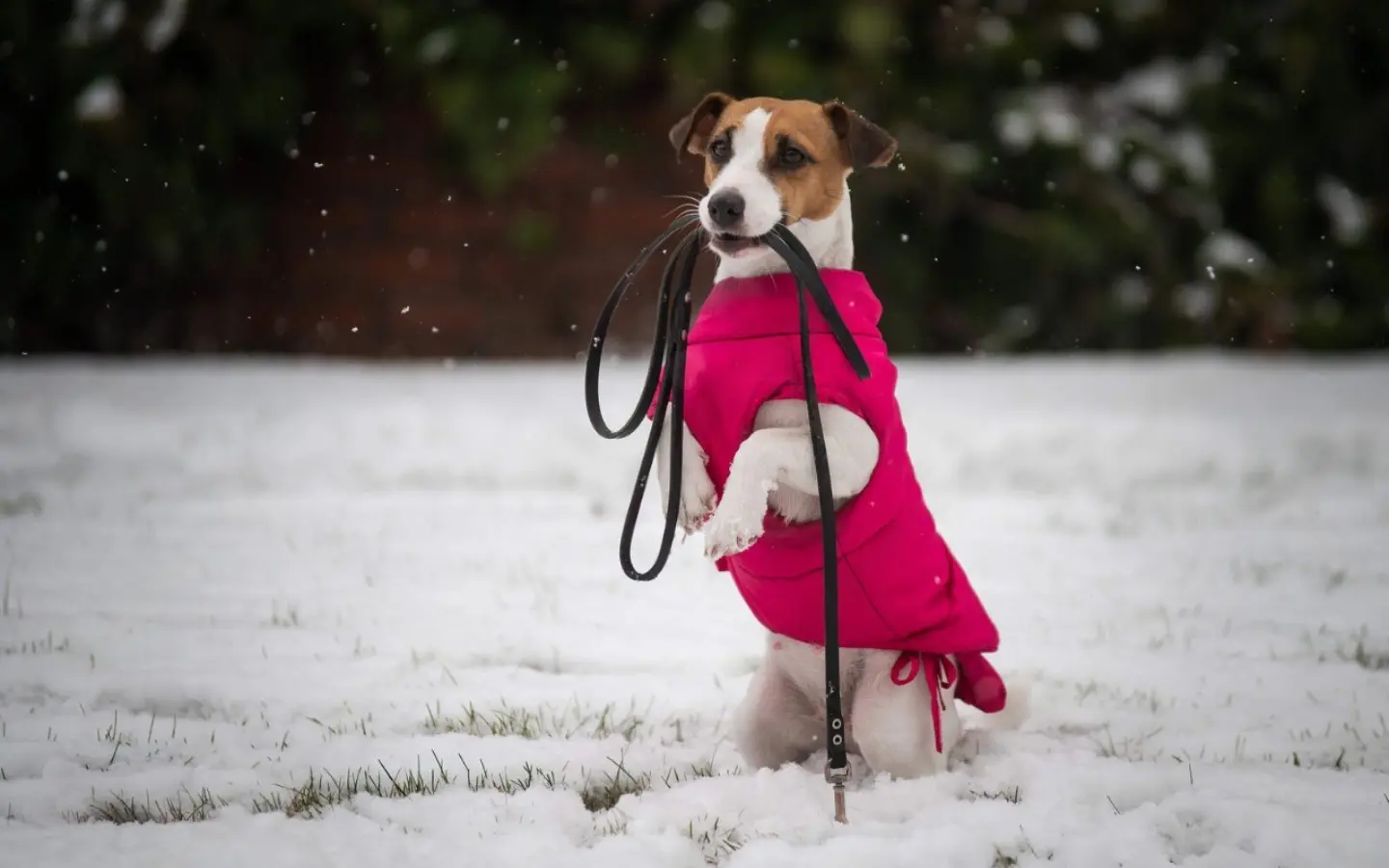
Observing Canine Preferences for Raincoat Colors: Behavioral Insights and Environmental Factors
Understanding whether dogs show preferences for specific raincoat colors involves analyzing their reactions during walks, playtime, or training sessions. While dogs do not perceive colors in the same way humans do, their behavior can indicate comfort or discomfort with certain hues based on visibility, contrast, and environmental context. By observing subtle cues like tail wagging, hesitation, or eagerness, owners can identify patterns in their pet’s responses to different raincoat colors.
Canine Vision and Color Perception: The Science Behind Their Choices
Dogs have dichromatic vision, meaning they primarily see shades of blue and yellow, with limited ability to distinguish red, green, or orange. This visual limitation influences how they interact with colored objects, including raincoats. For example, a bright red raincoat might appear as a dull gray or brown to a dog, while a high-contrast blue or yellow could stand out more vividly. Understanding this biological framework helps explain why some colors might trigger stronger reactions than others.
Research suggests that dogs rely more on brightness and contrast than specific hues when navigating their surroundings. A raincoat with high-contrast elements, such as reflective strips or bold patterns, may attract their attention more than a solid-colored one. Additionally, dogs are sensitive to movement, so a raincoat that flutters or catches light dynamically could become a focal point during walks, influencing their preference over time.
Behavioral Indicators of Preference: Reading Subtle Canine Cues
Dogs communicate their comfort or discomfort through body language, offering clues about their raincoat color preferences. A dog that eagerly approaches a bright yellow raincoat, wags its tail, and shows no signs of resistance during dressing is likely comfortable with that color. Conversely, a dog that hesitates, flattens its ears, or tries to remove a dark green raincoat might find it less appealing, possibly due to low contrast against its fur or environmental surroundings.
Owners can track these behaviors over time by introducing one color at a time and noting the dog’s reactions. For instance, a black-furred dog might show more enthusiasm for a neon orange raincoat that creates a striking visual contrast, making it easier to spot during outdoor activities. Similarly, a light-furred dog might react positively to a deep blue raincoat that stands out against its coat, enhancing visibility in busy areas.
Environmental Context: How Surroundings Shape Color Preferences
The environment plays a significant role in shaping a dog’s preference for raincoat colors. In urban settings with concrete, asphalt, and artificial lighting, bright colors like neon green or fluorescent yellow are more visible, potentially making them preferable for safety reasons. A dog accustomed to city walks might grow to associate these colors with positive experiences, such as treats or praise after being dressed.
In natural environments like forests or parks, earth tones like olive green or rusty orange might blend better with the surroundings, reducing stress for dogs sensitive to high-contrast stimuli. However, some dogs might still prefer brighter hues that make them stand out to their owners, ensuring they don’t get lost during off-leash play. Observing how a dog behaves in different settings can reveal whether their preference is tied to visibility, comfort, or familiarity.
The Role of Familiarity and Positive Reinforcement
Dogs often develop preferences based on repeated exposure and positive associations. If a dog wears a blue raincoat during enjoyable activities like trips to the dog park or car rides, it might begin to view that color as a signal of fun times ahead. Over time, this conditioning can override initial hesitation, leading the dog to appear more enthusiastic about the blue raincoat compared to others.
Owners can reinforce this preference by pairing the raincoat with rewards like treats, toys, or verbal praise. For example, saying “Let’s go for a walk!” while holding up a preferred-colored raincoat can create a strong positive association. Consistency is key—using the same color for all outdoor activities helps the dog build a clear connection between the hue and rewarding experiences.
Individual Personality and Breed Traits: Unique Factors Influencing Preferences
A dog’s personality and breed traits also influence its reaction to raincoat colors. Energetic breeds like Border Collies or Australian Shepherds might prefer bright, high-contrast colors that match their lively demeanor, while calm breeds like Basset Hounds or Bulldogs could show indifference to color as long as the raincoat is comfortable. Similarly, a confident dog might not mind wearing any color, whereas a shy or anxious dog could benefit from a hue that helps it feel secure in its surroundings.
Age is another factor—puppies are often more adaptable and may accept any color without hesitation, while older dogs might develop fixed preferences based on past experiences. Observing how a dog interacts with its environment, other animals, and humans can provide insights into whether its color preference is tied to personality traits or learned behavior.
By combining an understanding of canine vision, behavioral cues, environmental context, and individual traits, owners can gain valuable insights into their dog’s raincoat color preferences. While no single color will suit every dog, paying attention to these factors ensures the chosen hue enhances comfort, safety, and enjoyment during outdoor adventures. Whether a dog gravitates toward bright neon shades or subtle earth tones, the right color can turn a functional raincoat into a beloved accessory.