

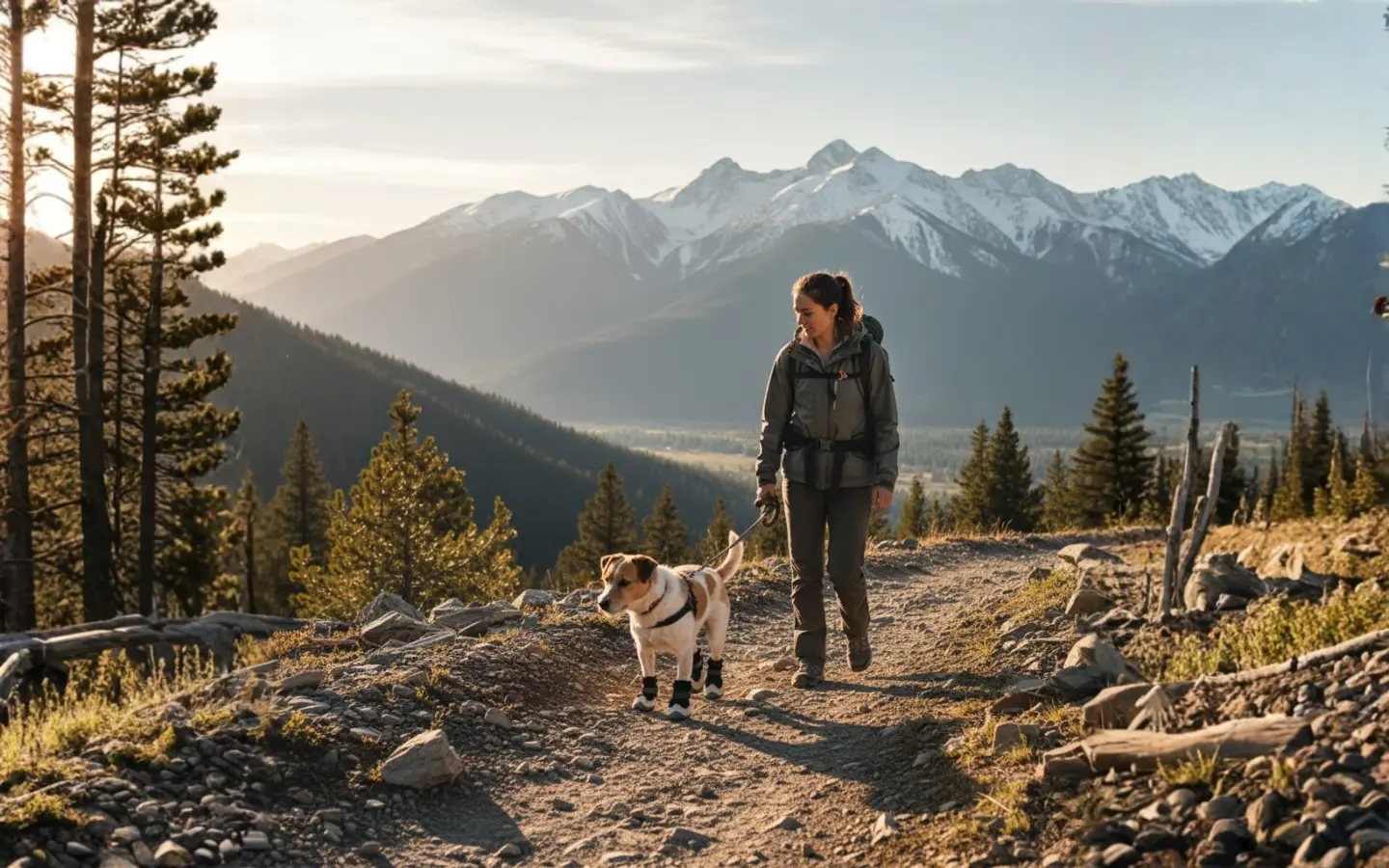
Effective Moisture Control for Dog Sleeping Pads After Outdoor Use
Dogs spending time outdoors need reliable sleeping pads to stay comfortable, but damp conditions can compromise their insulation and hygiene. Implementing proactive moisture-management strategies ensures the pad remains dry, clean, and functional for future use.
Proper Storage Techniques to Prevent Mold and Mildew
Storing outdoor gear incorrectly allows moisture to linger, creating breeding grounds for mold and unpleasant odors. Follow these steps to maintain pad quality.
Drying Before Storage
After outdoor use, air-dry the pad completely in a shaded, well-ventilated area. Avoid direct sunlight, which may degrade materials over time. If the pad is soaked, use absorbent towels to remove excess water before hanging it loosely.
Avoiding Enclosed Spaces
Never store damp pads in plastic bags, bins, or tight covers. These trap humidity and accelerate mildew growth. Instead, use breathable storage solutions like cotton bags or open shelves.
Elevating from Ground Contact
Place the pad on a raised surface like a wooden pallet or wire rack during storage. This prevents moisture from seeping upward from concrete floors or damp ground.
Practical Tips
- Flip the pad periodically during drying to ensure both sides dry evenly.
- Use fans to improve airflow in humid climates.
- Check for hidden moisture pockets in folded areas before storing.
Regular Cleaning Routines to Remove Dirt and Moisture
Dirt and organic debris trap moisture against the pad’s surface, leading to deterioration. A consistent cleaning schedule extends the pad’s lifespan.
Spot Cleaning After Use
Brush off loose dirt, leaves, or twigs immediately after outdoor trips. Use a soft-bristled brush to avoid damaging the fabric. For muddy patches, dampen a cloth with water and gently scrub the affected area.
Deep Cleaning Methods
If the pad develops stains or odors, hand-wash it using mild detergent and lukewarm water. Avoid harsh chemicals or bleach, which may weaken waterproof coatings. Rinse thoroughly and dry as outlined in the storage section.
Handling Stubborn Moisture
For pads that smell musty despite cleaning, sprinkle baking soda liberally over the surface. Let it sit for 24 hours, then vacuum or shake off the residue. This absorbs lingering odors without damaging materials.
Practical Tips
- Clean pads at least once a month during heavy outdoor use.
- Test cleaning solutions on a small, inconspicuous area first.
- Allow the pad to dry completely before applying baking soda.
Using Protective Layers to Shield Against Ground Moisture
Direct contact with wet grass, soil, or snow increases the risk of moisture absorption. Adding a barrier between the pad and ground enhances protection.
Waterproof Ground Sheets
Lay a lightweight, waterproof tarp or blanket beneath the sleeping pad to block rising dampness. Choose a size slightly larger than the pad to ensure full coverage.
Insulated Reflective Mats
In cold or damp environments, use reflective mats designed to retain heat and repel moisture. These often feature a waterproof bottom layer and a reflective top surface to minimize condensation.
Elevated Platforms
For extended outdoor stays, consider portable elevated beds or cots. These keep the pad off the ground entirely, improving airflow underneath and reducing moisture buildup.
Practical Tips
- Secure ground sheets with tent stakes or heavy objects to prevent shifting.
- Fold protective layers neatly when not in use to avoid creases that trap moisture.
- Inspect platforms for sharp edges or protrusions that could damage the pad.
Environmental Adjustments to Reduce Humidity Exposure
The surrounding environment plays a significant role in moisture accumulation. Adapting your setup to local conditions minimizes risks.
Choosing Sheltered Locations
Set up sleeping areas under trees, canopies, or tents to shield the pad from rain or dew. Avoid low-lying areas prone to pooling water after storms.
Managing Condensation
In humid climates, condensation can form on the pad’s surface overnight. Improve ventilation by spacing multiple pads apart or using breathable fabric covers.
Using Desiccants for Storage
Place moisture-absorbing packets (e.g., silica gel) inside storage containers to combat residual humidity. Replace them every few months or as directed by the manufacturer.
Practical Tips
- Rotate sleeping spots to prevent repeated exposure to damp ground.
- Wipe down the pad’s surface with a dry cloth before packing it away.
- Store desiccants in a sealed container to prevent accidental ingestion by pets.
By integrating these moisture-control strategies into your routine, you ensure your dog’s sleeping pad remains dry, hygienic, and comfortable across all outdoor adventures. Regular maintenance and environmental awareness are key to preserving its functionality over time.