

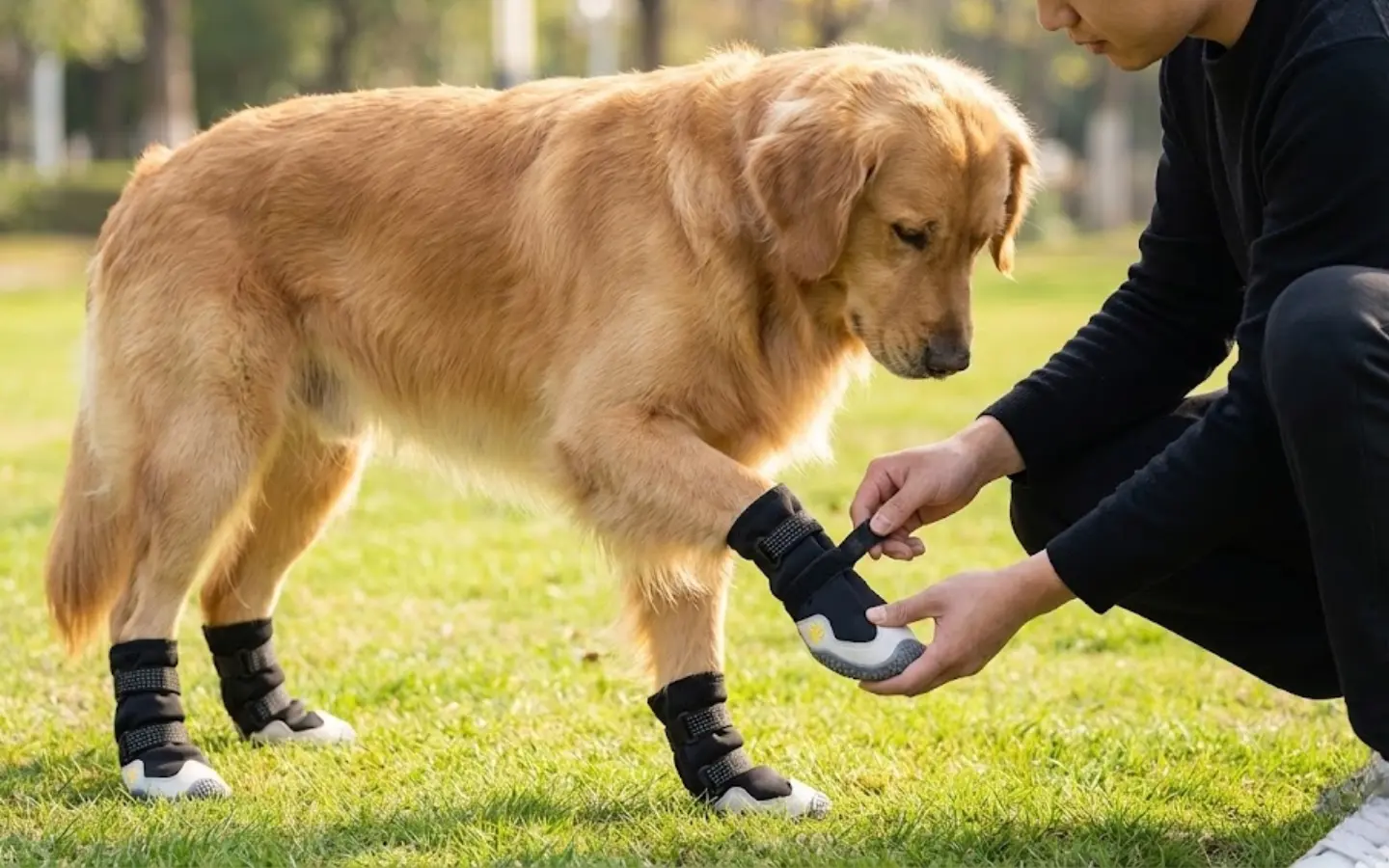
Helping Your Dog Adjust to Wearing an Outdoor Harness: A Step-by-Step Approach
Transitioning your dog to wearing an outdoor harness can improve safety and control during walks, hikes, or adventures. However, some dogs may resist or feel uneasy about the new gear. With patience and gradual training, you can help your dog associate the harness with positive experiences. Here’s how to make the process smooth and stress-free.
Introducing the Harness in a Familiar, Low-Stress Environment
Start by letting your dog explore the harness in a quiet space like your living room or backyard. Lay the harness on the ground and allow them to sniff, paw, or even lie on it. This helps them become comfortable with its presence before you attempt to put it on.
If your dog seems curious, gently pick up the harness and hold it near their body without fastening it. Use a calm, encouraging tone to say, “Good harness!” and offer a small treat. Avoid forcing the harness onto them—this can create fear. Instead, let them approach and interact with it at their own pace.
For dogs that ignore the harness, rub a treat on the straps or place a favorite toy nearby to make it more appealing. The goal is to build a positive association before any physical contact.
Getting Your Dog Used to the Sensation of Wearing the Harness
Once your dog is comfortable with the harness nearby, practice draping it over their back without securing it. Hold the harness loosely and say, “Let’s try!” in an upbeat voice. If they stay calm, reward them with a treat and praise. If they try to shake it off, pause and try again later.
Next, practice fastening the harness for short periods. Start with just one clip, like the chest strap, and leave it undone elsewhere. Gradually work up to securing all clips while offering treats and praise. If your dog fidgets, distract them with a toy or a short play session to keep the experience positive.
Some dogs may feel restricted at first. If this happens, remove the harness after a minute and try again the next day, extending the time by a few seconds each session. Consistency helps them adjust to the sensation over time.
Pairing the Harness with Enjoyable Outdoor Activities
Once your dog tolerates wearing the harness indoors, take them outside for short, supervised outings. Start in a quiet area like your backyard or a calm park. Let them walk around while wearing the harness, using treats to reward calm behavior.
If your dog seems anxious, avoid pulling or tugging on the leash. Instead, follow their lead and let them explore at their own pace. Use phrases like “Good walk!” or “Let’s go!” to create a positive connection between the harness and outdoor fun.
Gradually increase the duration of outings as your dog grows more comfortable. Incorporate activities they enjoy, like sniffing bushes or chasing a ball, to reinforce that the harness means adventure time. This helps them view the harness as a gateway to excitement, not a restriction.
Addressing Common Challenges Like Fidgeting or Resistance
Some dogs may try to chew or paw at the harness when first wearing it. To discourage this, redirect their attention with a toy or a command like “Leave it!” If they persist, calmly remove the harness and try again later. Never scold or punish them—this can worsen their anxiety.
For dogs that freeze or refuse to move, avoid dragging them forward. Instead, kneel beside them and offer treats or toys to encourage movement. If they still won’t budge, take a break and practice indoors before trying again. Patience is key; forcing them to walk can create negative associations.
If your dog shows signs of stress, like panting heavily or tucking their tail, shorten the session and remove the harness. Return to indoor training and build up their confidence gradually. Every dog adjusts at their own pace, so celebrate small progress.
Maintaining a Positive Routine for Long-Term Comfort
Consistency helps your dog feel secure in their harness. Use the same commands and rewards each time you put it on, and avoid surprising them with sudden outings. For example, say, “Harness time!” before each session to prepare them mentally.
Check the harness fit regularly to ensure it’s not too tight or loose. A properly fitted harness should allow two fingers to slide between the straps and your dog’s body. Adjust as needed to prevent discomfort, which can lead to resistance.
Finally, make harness time part of a broader routine that includes walks, play, and affection. This reinforces that the harness is a normal, enjoyable part of their day. Over time, your dog will likely approach harness time with enthusiasm instead of hesitation.
By following these steps, your dog can learn to wear an outdoor harness comfortably and confidently. With time and positive reinforcement, the harness will become a tool for safe, enjoyable adventures together.