

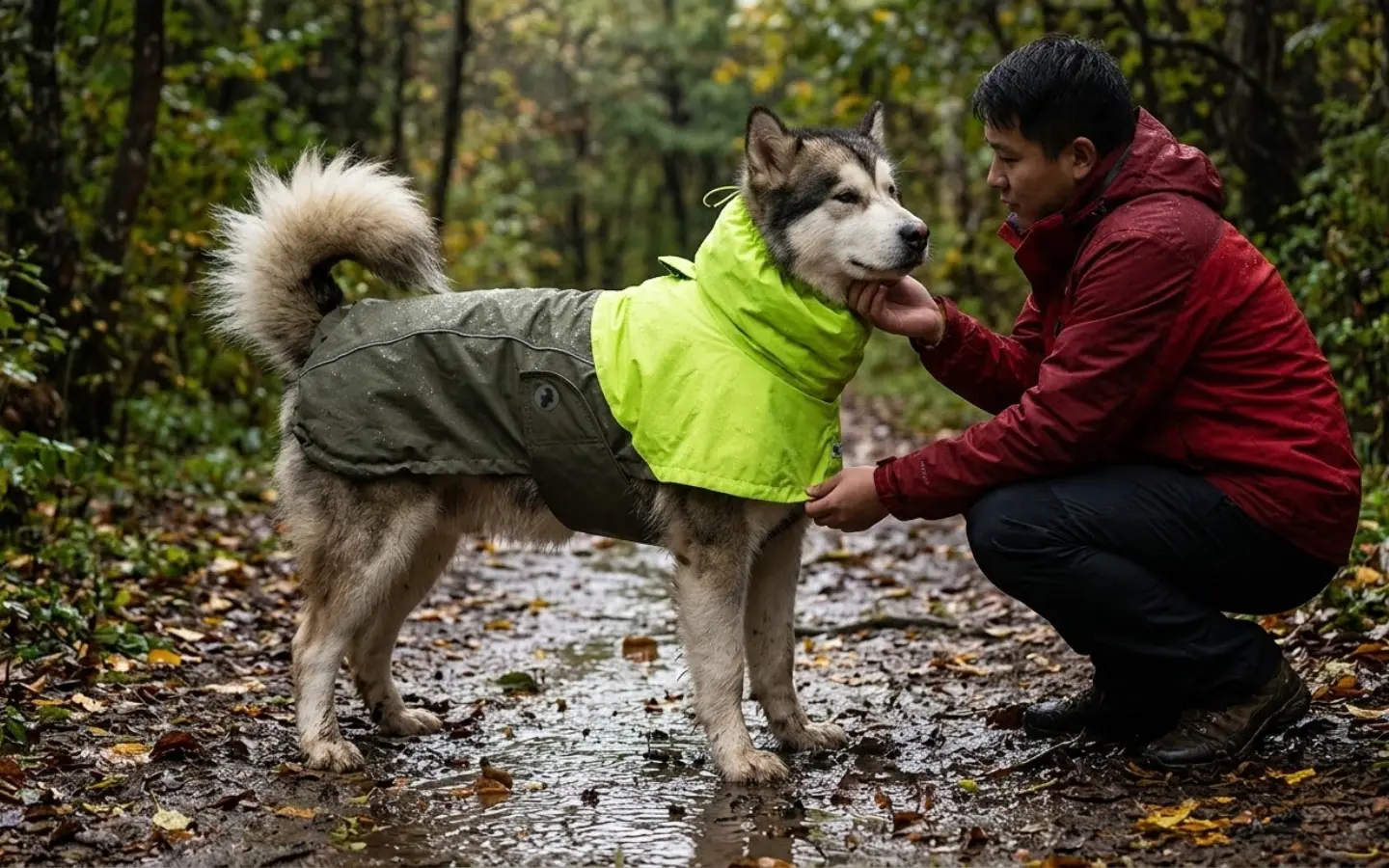
Maintaining the Elasticity of Outdoor Dog Elastic Leashes
Taking your dog out for outdoor adventures is a great way to bond and keep them active. An elastic leash can be a valuable tool during these outings, providing a bit of give that reduces the strain on both you and your furry friend. However, to ensure the leash continues to function optimally and maintain its elasticity over time, proper care and maintenance are essential. Here are some effective strategies to keep your outdoor dog elastic leash in top – notch condition.
Regular Inspection for Wear and Tear
Checking the Outer Layer
Start by visually examining the entire length of the elastic leash. Look for any signs of fraying, cuts, or abrasions on the outer layer. Outdoor environments are full of rough surfaces like rocks, branches, and concrete sidewalks. These can cause damage to the leash’s exterior, which may eventually affect its elasticity. If you notice any minor fraying, you can use a pair of sharp scissors to carefully trim the loose threads. For more significant damage, such as deep cuts or large areas of fraying, it may be necessary to consider replacing the leash to prevent it from breaking during use.
Inspecting the Connectors
The connectors, such as the carabiner or snap – hook, are crucial components of the elastic leash. They are responsible for attaching the leash to your dog’s collar or harness and to your hand or waist. Check these connectors for any signs of rust, corrosion, or damage. Rust can weaken the metal parts, making them more likely to break under pressure. If you find any rust, you can try cleaning it off with a wire brush and a rust – removing solution. However, if the damage is severe, replace the connectors immediately to ensure the safety of you and your dog. Also, make sure the connectors open and close smoothly, as a stuck or malfunctioning connector can be a major inconvenience during walks.
Proper Storage Techniques
Avoiding Extreme Temperatures
Extreme temperatures can have a significant impact on the elasticity of your dog’s leash. High temperatures can cause the elastic material to become overly stretched and lose its shape, while low temperatures can make it stiff and less flexible. When storing the leash, avoid leaving it in places like the trunk of your car on a hot summer day or in an unheated garage during winter. Instead, choose a cool, dry place at room temperature, such as a closet or a dedicated storage area in your home. This will help maintain the leash’s elastic properties and prolong its lifespan.
Coiling the Leash Correctly
How you coil the leash when storing it can also affect its elasticity. Avoid tightly winding the leash into a small ball, as this can put unnecessary stress on the elastic material and cause it to lose its stretch over time. Instead, coil the leash loosely in large loops. You can start from one end and gradually work your way to the other, making sure the loops are not too tight. This method of coiling allows the elastic to relax and maintain its natural shape, preventing permanent damage.
Cleaning and Maintenance Routine
Removing Dirt and Debris
After each outdoor use, it’s a good idea to clean the elastic leash to remove any dirt, mud, or debris that may have accumulated. Use a soft – bristled brush or a damp cloth to gently wipe down the leash. For stubborn dirt or stains, you can mix a small amount of mild detergent with water and use a sponge to clean the affected areas. Be sure to rinse the leash thoroughly with clean water to remove all traces of detergent, as leftover soap can attract more dirt and make the leash feel sticky.
Drying the Leash Properly
After cleaning, it’s crucial to dry the leash completely before storing it. Moisture can lead to the growth of mold and mildew, which can not only damage the leash but also create an unpleasant odor. Hang the leash up in a well – ventilated area away from direct sunlight. Direct sunlight can fade the color of the leash and may also cause the elastic material to degrade over time. Allow the leash to air – dry naturally, which may take a few hours depending on the humidity level in your area. Once it’s completely dry, you can store it according to the proper storage techniques mentioned above.
Handling and Usage Tips
Avoiding Over – stretching
One of the most important things to remember when using an elastic leash is to avoid over – stretching it. While the elastic is designed to provide some give, excessive stretching can cause permanent damage to the material and reduce its elasticity. When your dog pulls on the leash, try to maintain a steady tension rather than allowing the leash to stretch to its maximum length. You can also use positive reinforcement training techniques to teach your dog not to pull too hard on the leash, which will not only protect the leash but also make walks more enjoyable for both of you.
Using the Leash for Its Intended Purpose
Different elastic leashes may be designed for different purposes, such as walking, running, or training. Make sure you’re using the leash for its intended use to prevent unnecessary wear and tear. For example, if a leash is specifically designed for light – duty walking, using it for high – intensity activities like jogging or agility training may cause it to break or lose its elasticity more quickly. Always read the manufacturer’s instructions and guidelines to understand the limitations of your leash and use it accordingly.