

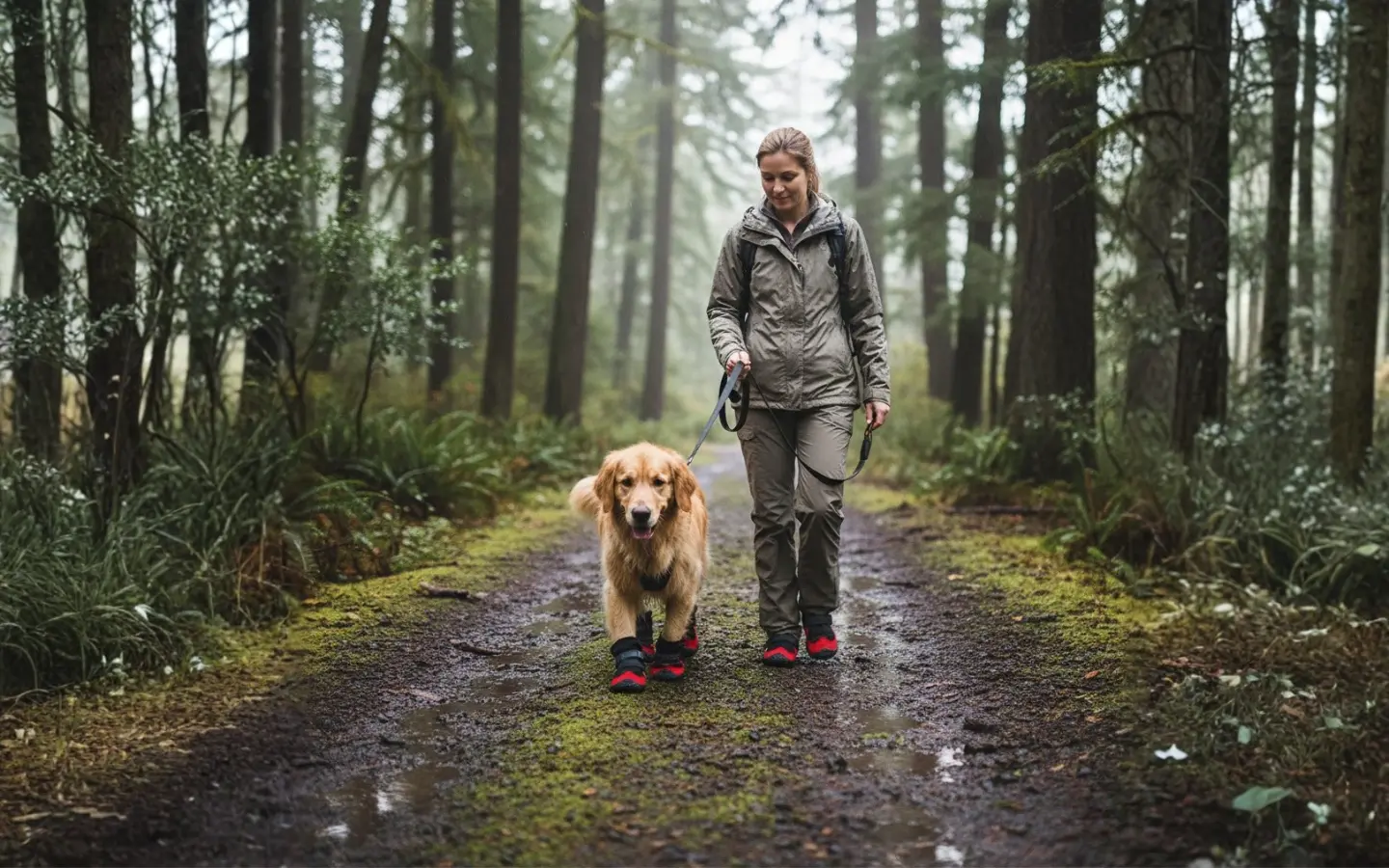
Proper Loading and Balancing of Outdoor Dog Backpacks
Outdoor adventures with your dog become more enjoyable when they can carry their own gear, but improper loading can lead to discomfort, fatigue, or even injury. Learning how to distribute weight evenly and choose the right items for your dog’s backpack ensures they stay happy and healthy during hikes, camping trips, or daylong explorations.
Understanding Weight Distribution for Dog Backpacks
A well-balanced backpack allows your dog to move naturally without straining their muscles or joints. The key is to distribute weight evenly across both sides of the pack and keep the center of gravity low.
Front vs. Rear Load Placement
Heavier items should always be placed closer to your dog’s body, ideally near their shoulders or mid-back. Avoid loading heavy objects toward the rear of the pack, as this can shift the center of gravity backward and make your dog tippy or unsteady. Lighter items, like water bottles or small blankets, can go toward the back, but ensure they don’t create imbalance.
Symmetrical Loading for Stability
Both sides of the backpack should carry roughly the same weight to prevent your dog from leaning to one side. This is especially important for dogs with shorter legs or those prone to hip issues. If you’re carrying uneven items, like a first-aid kit on one side and snacks on the other, adjust the quantities or add smaller, lightweight fillers to balance the load.
Adjusting for Your Dog’s Size and Strength
Smaller breeds or older dogs may struggle with heavier loads, so keep their backpack weight under 10% of their body weight. Larger, active dogs can typically handle up to 25%, but always start light and gradually increase as they build endurance. Monitor their gait during walks—if they’re staggering or refusing to move, the pack is too heavy or unbalanced.
Choosing the Right Items for Your Dog’s Backpack
Not everything belongs in your dog’s pack. Select lightweight, essential items that serve a purpose without adding unnecessary bulk.
Essential Gear for Safety and Comfort
Pack items like collapsible water bowls, a small first-aid kit, and a lightweight emergency blanket. These take up minimal space but provide critical support during outdoor emergencies. Avoid packing heavy tools or bulky clothing, as these can quickly overwhelm your dog’s pack capacity.
Food and Water Considerations
If you’re hiking for several hours, include a portion of your dog’s daily food and a portable water bottle. Use dry kibble instead of wet food to reduce weight, and consider a collapsible water pouch that attaches to the pack’s exterior for easy access. Never overload the pack with water, as dehydration can be managed with frequent breaks instead.
Lightweight Entertainment Options
For longer trips, include a favorite toy or chew to keep your dog occupied during rests. Opt for soft, compressible toys that won’t add much weight. Avoid hard rubber toys or heavy bones, which can shift around in the pack and create imbalance.
Testing and Adjusting the Backpack Before Outdoor Use
Even with careful planning, a backpack may need fine-tuning to fit your dog perfectly.
Initial Fitting and Weight Checks
Before heading out, let your dog wear the empty backpack around the house for short periods to get used to the feel. Gradually add weight in small increments, checking for signs of discomfort like scratching at the straps or refusing to walk. The pack should sit snugly against their body without rubbing or sliding.
Monitoring During Short Walks
Take your dog on a brief walk with the loaded pack to assess their movement. Watch for uneven steps, excessive panting, or attempts to shake off the pack. If they seem uncomfortable, redistribute the weight or remove non-essential items. Pay attention to how the pack shifts as your dog moves—it should stay centered and stable.
Making Real-Time Adjustments
During your outdoor adventure, pause periodically to check the pack’s fit. Straps may loosen as your dog moves, so tighten them as needed to prevent the pack from sliding. If your dog stops frequently or lies down, they may be overloaded. Remove some items or share the load by carrying gear yourself.
Signs Your Dog’s Backpack Needs Re-Balancing
Even with proper initial loading, issues can arise during use. Watch for these warning signs that the pack needs adjustment.
Physical Discomfort or Behavioral Changes
If your dog starts limping, whining, or refusing to walk, the pack may be pinching their skin or pressing on sensitive areas. Check the straps for tightness and ensure the pack isn’t digging into their armpits or groin. Adjust the fit or redistribute the weight to alleviate pressure points.
Uneven Gait or Posture
A balanced pack shouldn’t affect your dog’s natural movement. If they’re walking with a hunched back or tilting their head to one side, the weight is likely uneven. Stop and rearrange the contents, placing heavier items closer to the center and lighter items toward the edges.
Strap Slippage or Pack Movement
If the pack slides around during walks, the straps may be too loose or the weight distribution is off. Tighten the straps until the pack sits securely against your dog’s body. If the problem persists, remove some items or switch to a pack with better stability features, like a wider base or adjustable compartments.
By focusing on proper weight distribution, selecting lightweight gear, and testing the pack before use, you can ensure your dog’s outdoor backpack enhances their adventure without causing strain. Regular checks and adjustments keep them comfortable and safe, allowing both of you to enjoy the journey.