

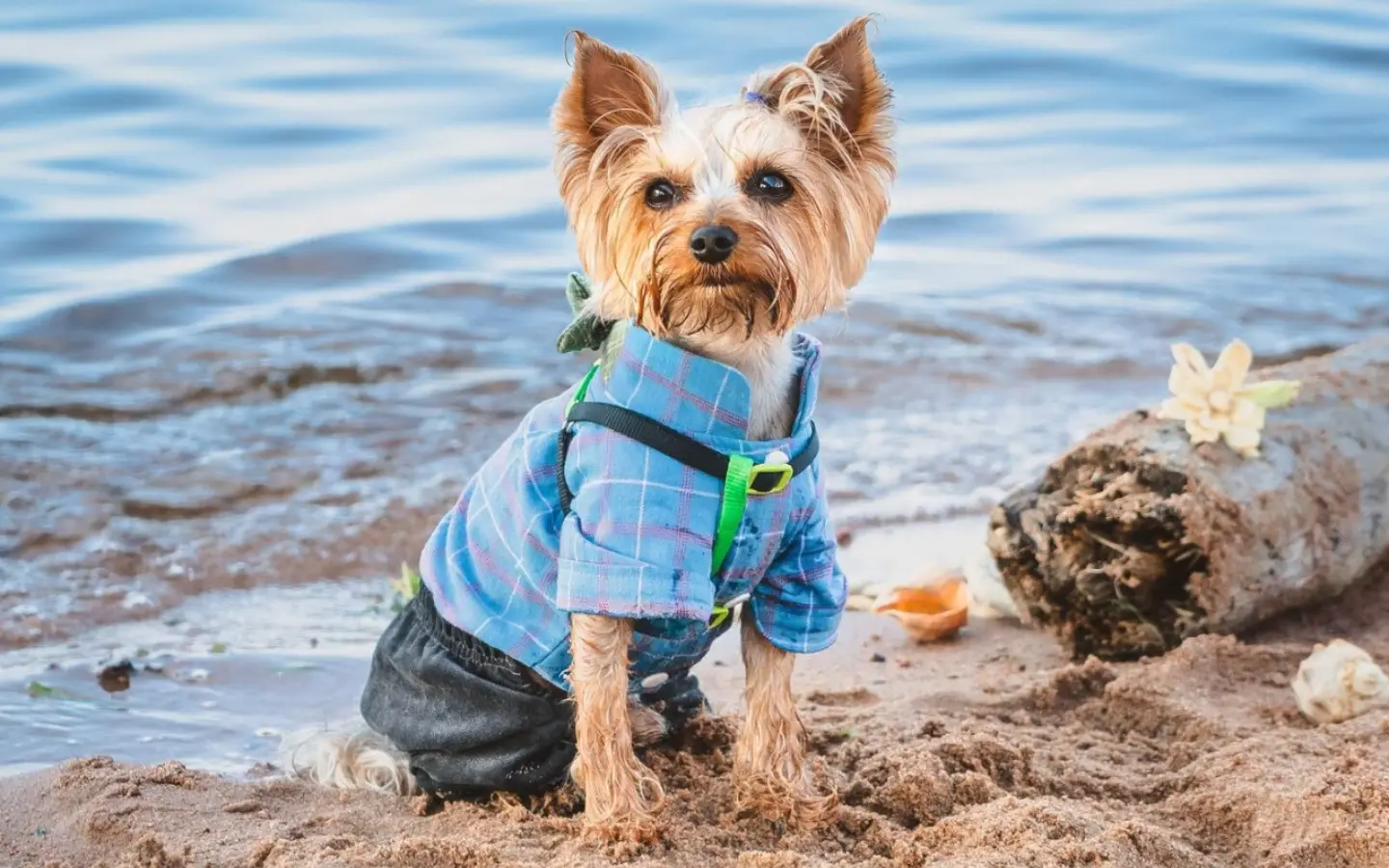
Helping Dogs Stay Calm Around Crowds While Wearing a Raincoat: Gradual Exposure and Positive Reinforcement Strategics
Dogs may feel anxious or overwhelmed when wearing a raincoat in busy areas due to restricted movement, unfamiliar fabric sensations, or heightened sensory input from noise and movement. However, with structured training and consistent exposure, you can teach your dog to associate crowds with positive experiences, even while wearing a raincoat. Here’s how to build their confidence step by step.
Start With Low-Distraction Environments to Build Foundational Comfort
Begin training in a quiet space where your dog feels relaxed, such as a quiet room at home or a secluded corner of a park. Let them wear the raincoat for short periods (5–10 minutes) while offering treats or playing with a favorite toy. The goal is to create a neutral or positive association with the garment before introducing crowds.
Once they’re comfortable indoors, move to a slightly busier area, like a residential street with light foot traffic. Keep sessions brief and end on a high note, such as a play session or high-value treat. Gradually increase the time spent in these environments as your dog adapts to the raincoat’s presence and mild distractions.
Use Controlled Crowd Simulations to Desensitize Gradually
Recreate crowd-like conditions in a controlled setting to prepare your dog. Invite a few calm, dog-friendly friends to your home or a quiet park. Ask them to stand at a distance (10–15 feet) and avoid direct eye contact or sudden movements. Let your dog observe the group while wearing the raincoat, rewarding calm behavior like sitting or sniffing the ground.
Over time, reduce the distance between your dog and the group, one person at a time. If your dog shows signs of stress (e.g., panting, trembling, or trying to retreat), pause and let them relax before continuing. Use treats or toys to distract them from the crowd and reinforce that the situation is safe.
Pair Crowd Exposure With High-Value Rewards to Create Positive Associations
Turn crowd interactions into opportunities for treats and play. For example, ask a friend to toss a treat to your dog every time they make eye contact or remain calm near a small group. Use a cheerful tone to praise them, saying “good job!” or “yes!” to mark the desired behavior.
Incorporate their favorite games, like fetch or tug-of-war, into training sessions. Play near a quiet crowd to help them associate the raincoat, noise, and movement with fun activities. Over time, they’ll learn to focus on you and the rewards rather than the surrounding people.
Teach a “Focus” or “Watch Me” Command to Redirect Attention
A reliable focus command helps your dog ignore distractions and seek guidance from you. Start by saying “focus” or “watch me” and holding a treat near your face. When your dog makes eye contact, reward them immediately. Practice this indoors without distractions, then gradually introduce mild crowd noise (e.g., friends chatting softly nearby).
Once they master the command in calm settings, test it in busier areas. If your dog looks at you instead of the crowd, reward them generously. This skill empowers them to stay calm in chaotic environments, even while wearing a raincoat.
Expose Your Dog to Different Types of Crowds Over Time
Diverse experiences build resilience. Train your dog around various groups, such as children playing, adults walking, or people carrying umbrellas (which may mimic the raincoat’s silhouette). Each scenario introduces new sounds, movements, and interactions, helping your dog generalize their calm behavior.
For example, visit a farmers’ market during off-peak hours or a dog-friendly café with outdoor seating. Keep your dog on a leash and let them observe from a distance, rewarding calmness. Gradually move closer as they grow more comfortable, always prioritizing their stress signals.
Monitor Body Language for Signs of Overstimulation or Fear
Dogs communicate discomfort through subtle cues. Watch for flattened ears, tucked tails, lip licking, or yawning, which indicate anxiety. If you notice these signs during crowd training, take a break in a quiet area and offer water or a chew toy to help them relax.
Avoid forcing interactions or scolding fearful behavior, as this can deepen their aversion to crowds and the raincoat. Instead, celebrate small wins, like your dog walking 10 feet closer to a group without panicking, to build their confidence incrementally.
Leverage Socialization Opportunities With Familiar Faces
Dogs often feel more secure around people they know. Arrange playdates with friends or family members your dog trusts. Have them wear the raincoat during these visits and encourage gentle interactions, like petting or offering treats. The familiarity of these faces will help your dog associate the raincoat with positive social experiences.
Gradually introduce new people into these playdates, one at a time. Ask strangers to approach slowly and avoid leaning over or staring directly at your dog, which can feel intimidating. Reward your dog for calm greetings, such as sniffing the person’s hand or accepting a treat politely.
Practice Patience and Consistency Across All Environments
Every dog learns at their own pace. Some may adapt to crowds in weeks, while others need months of gradual exposure. Stick to a consistent routine, incorporating crowd training into daily walks or outings. For example, end each walk with a brief stop near a busy area to practice calmness.
Avoid rushing progress or skipping steps. If your dog regresses (e.g., starts barking or lunging at crowds), revisit earlier training stages and rebuild their confidence slowly. Consistency and positive reinforcement are key to long-term success.
Use Calming Techniques to Support Stressful Moments
If your dog struggles to relax in crowds, incorporate calming strategies alongside training. For example, teach them to settle on a mat or towel placed near a busy area. Use treats to lure them onto the mat and reward them for staying put, even as people pass by.
Gentle massage or pressure wraps (if your dog tolerates them) can also reduce anxiety. Apply light pressure around their shoulders or back while they wear the raincoat, pairing the sensation with treats and praise. Over time, they may associate the pressure with comfort in stressful situations.
Build Independence by Gradually Reducing Rewards
Once your dog consistently remains calm around crowds, start phasing out treats and relying more on verbal praise or play. For example, reward them randomly (every 3–5 calm interactions) instead of after every action. This teaches them to maintain good behavior without expecting a reward each time.
However, continue offering high-value rewards during particularly challenging scenarios, like large festivals or noisy events. The goal is to create a flexible, confident dog who can handle crowds comfortably, raincoat or not.