

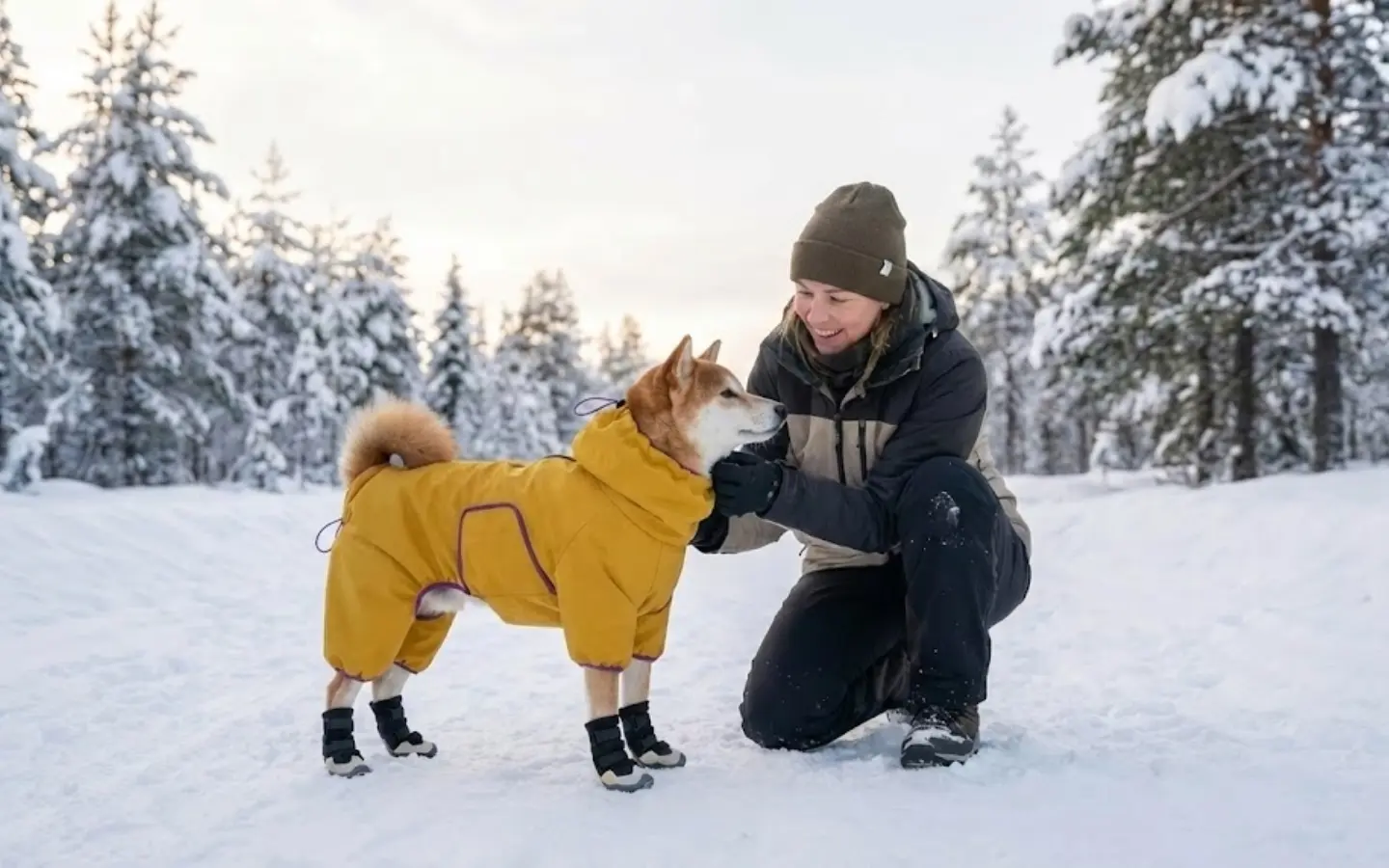
How to Help Your Dog Adjust to an Outdoor Elastic Leash: A Step-by-Step Approach
Transitioning your dog to an outdoor elastic leash can enhance walks by reducing sudden jerks and providing gentle control. However, some dogs may feel uneasy about the stretchy material or the change in resistance. With patience and gradual training, you can help your dog embrace this tool as a comfortable part of their outdoor routine.
Introducing the Elastic Leash in a Familiar Environment
Before heading outdoors, let your dog explore the elastic leash in a calm, controlled space like your living room or backyard. Attach it to their collar or harness and let them walk around freely. The leash’s stretchiness might feel unusual at first, so avoid pulling or correcting them harshly. Instead, follow their lead and let them adjust to the sensation.
Use treats or toys to create positive associations. For example, hold a treat in one hand and let the leash drag loosely behind them. When they move forward, reward them with the treat. This teaches them that moving with the leash leads to good things. If they seem hesitant, shorten the leash slightly to reduce the stretch and build confidence gradually.
Practicing Short Walks with Gentle Guidance
Once your dog is comfortable indoors, take them outside for short walks in a quiet area like a park or empty sidewalk. Keep the leash loose and avoid sudden tugs. If they pull forward, let the leash stretch slightly before gently guiding them back with a calm voice. This helps them understand that the leash’s elasticity doesn’t mean they can run freely.
If your dog resists or tries to chew the leash, redirect their attention with a toy or treat. For example, say, “Look here!” and offer a favorite snack when they stop pulling. Consistency is key—repeat this process during every walk until they start responding to gentle guidance instead of force.
Using Positive Reinforcement During Movement
Dogs thrive on praise and rewards, so use them liberally during walks. When your dog walks calmly without pulling, say, “Good job!” and offer a treat. If they stay by your side as the leash stretches and retracts, reward them again. This reinforces the idea that loose-leash walking is enjoyable.
Avoid scolding or yanking the leash if they make mistakes. Negative reactions can create anxiety and make them associate the elastic leash with punishment. Instead, pause, wait for them to calm down, and resume walking with encouragement. Over time, they’ll learn that staying relaxed earns rewards.
Adjusting to Different Walking Speeds and Directions
An elastic leash behaves differently than a rigid one, especially when changing speed or direction. Help your dog adapt by practicing sudden stops, turns, and pace changes during walks. For example, walk forward at a normal speed, then stop abruptly and reward your dog if they stop with you. This teaches them to pay attention to your movements.
When turning, guide your dog gently with the leash and use verbal cues like “This way!” If they follow without pulling, praise them immediately. The goal is to make them comfortable with the leash’s flexibility in various scenarios, from slow strolls to brisk walks.
Managing Distractions During Outdoor Training
Outdoor environments are full of distractions, from squirrels to other dogs. These can test your dog’s focus and make them pull harder on the leash. To build resilience, start training in low-distraction areas and gradually move to busier spots. For instance, begin in a quiet park, then progress to a sidewalk with occasional pedestrians.
When your dog notices a distraction, use the leash’s elasticity to gently redirect their attention. For example, if they lunge toward another dog, let the leash stretch slightly as you say, “Leave it!” and guide them away with a treat. This shows them that ignoring distractions leads to rewards, while pulling doesn’t get them closer to what they want.
Ensuring Comfort and Safety with Proper Fit
An ill-fitting collar or harness can make any leash uncomfortable, elastic or not. Check that your dog’s gear fits snugly without digging into their skin. The elastic leash should attach securely to their harness or collar, and the clip should move freely without getting stuck.
Regularly inspect the leash for signs of wear, like fraying or weak spots. A damaged leash can snap unexpectedly, causing injury or frightening your dog. If you notice any issues, replace it immediately to maintain safety and trust during walks.
By following these steps, your dog will learn to view the elastic leash as a comfortable, reliable tool for outdoor adventures. With patience and positive reinforcement, you’ll both enjoy smoother, more enjoyable walks together.