

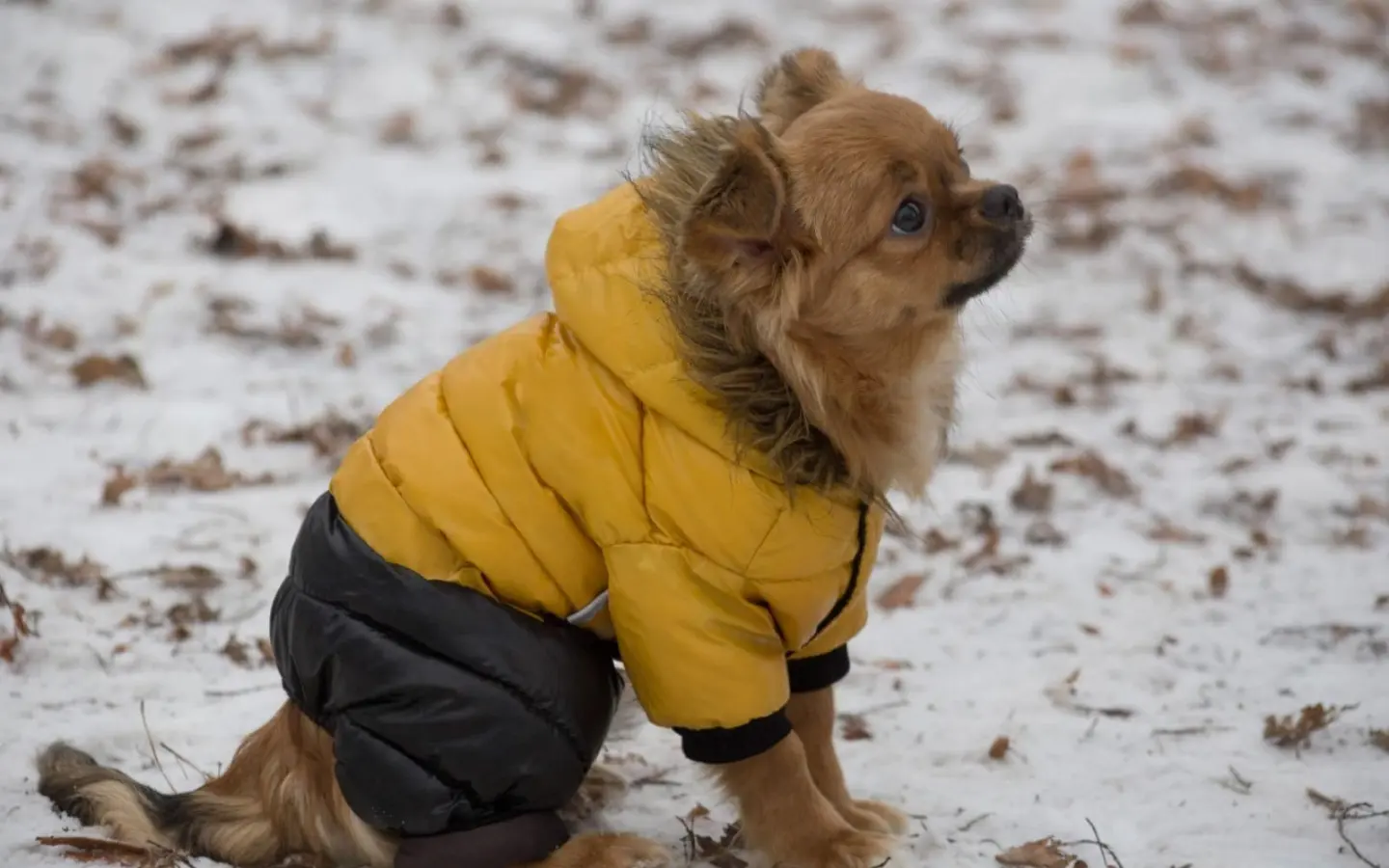
Key Maintenance Tips for Your Dog’s Raincoat During Hot Weather
High temperatures, humidity, and UV exposure in summer can degrade your dog’s raincoat faster than cooler seasons. Proper care ensures the fabric stays breathable, waterproof, and comfortable for your pet. Here’s how to protect the garment from heat-related damage while maintaining its functionality.
Cleaning Sweat, Dirt, and Sunscreen Residue After Use
During hot weather, dogs sweat more, and their raincoats trap moisture, salt, and oils from their skin. Combined with outdoor dirt, this creates a breeding ground for bacteria and unpleasant odors. After each use, rinse the raincoat under cool water to remove surface grime. Use a mild, pH-balanced detergent and a soft brush to gently scrub areas like the belly, neck, and underarms, where sweat and dirt accumulate most.
If your dog wears sunscreen, check the raincoat for sticky residues, especially around the neck and back. These can attract dust and clog ventilation holes, reducing airflow. Wipe affected areas with a damp cloth dipped in soapy water, then rinse thoroughly. Avoid using hot water, as it can shrink synthetic fabrics or weaken waterproof coatings. Always air-dry the raincoat in a shaded, well-ventilated spot to prevent mildew growth.
Storing the Raincoat Away from Direct Sunlight and High Heat
Prolonged exposure to sunlight causes synthetic materials like nylon or polyester to fade, crack, or lose elasticity. UV rays also break down waterproof membranes, reducing the raincoat’s ability to repel water. Store the garment in a dark, cool place, such as a closet or drawer, when not in use. If hanging it, avoid wire hangers that can stretch the fabric; instead, use a padded or wide hanger to maintain its shape.
Never leave the raincoat in a parked car, garage, or outdoor shed during summer, as temperatures inside can soar to levels that melt adhesives or warp plastic components like zippers. For long-term storage between seasons, ensure the raincoat is clean and completely dry. Fold it loosely or roll it gently to avoid creasing, and place it in a breathable cotton bag to protect it from dust while allowing airflow.
Checking and Restoring Breathability in Ventilation Features
Many dog raincoats include mesh panels or ventilation holes to prevent overheating. However, dirt, pollen, and debris can clog these features in summer, trapping heat and moisture against your dog’s skin. Inspect the raincoat after each walk for blockages. Use a soft-bristled toothbrush or a dry cotton swab to gently dislodge particles from mesh areas. For stubborn grime, lightly dampen the brush with water and scrub in circular motions.
If the fabric feels stiff or the ventilation seems reduced, restore breathability by washing the raincoat with a mild detergent. Avoid fabric softeners, as they coat fibers and reduce airflow. After washing, hang the raincoat upside down to dry, ensuring water drains away from seams and ventilation points. Test airflow by holding the garment up to a fan; if air passes freely through the mesh, it’s ready for use.
Addressing Odors and Bacterial Growth in Humid Conditions
High humidity accelerates bacterial growth, leading to musty smells or skin irritation for your dog. To combat odors, create a natural deodorizing spray by mixing equal parts water and white vinegar in a spray bottle. Lightly mist the interior of the raincoat, focusing on areas that trap moisture, like the lining and collar. Let it air-dry completely before reuse.
For persistent smells, sprinkle baking soda inside the raincoat and let it sit overnight. The powder absorbs odors without damaging the fabric. Shake or brush off the excess the next day. Avoid using chemical-based deodorizers, as they may irritate your dog’s skin or degrade waterproof coatings. If the raincoat develops mold or mildew, wash it immediately with a fungicidal additive (following the product’s instructions) and dry it thoroughly in sunlight for a few hours to kill spores.
By following these steps, you can keep your dog’s raincoat in optimal condition throughout summer, ensuring it remains a safe, comfortable, and effective barrier against rain while preventing heat-related discomfort. Regular cleaning, proper storage, and attention to ventilation features are key to extending the garment’s lifespan.