

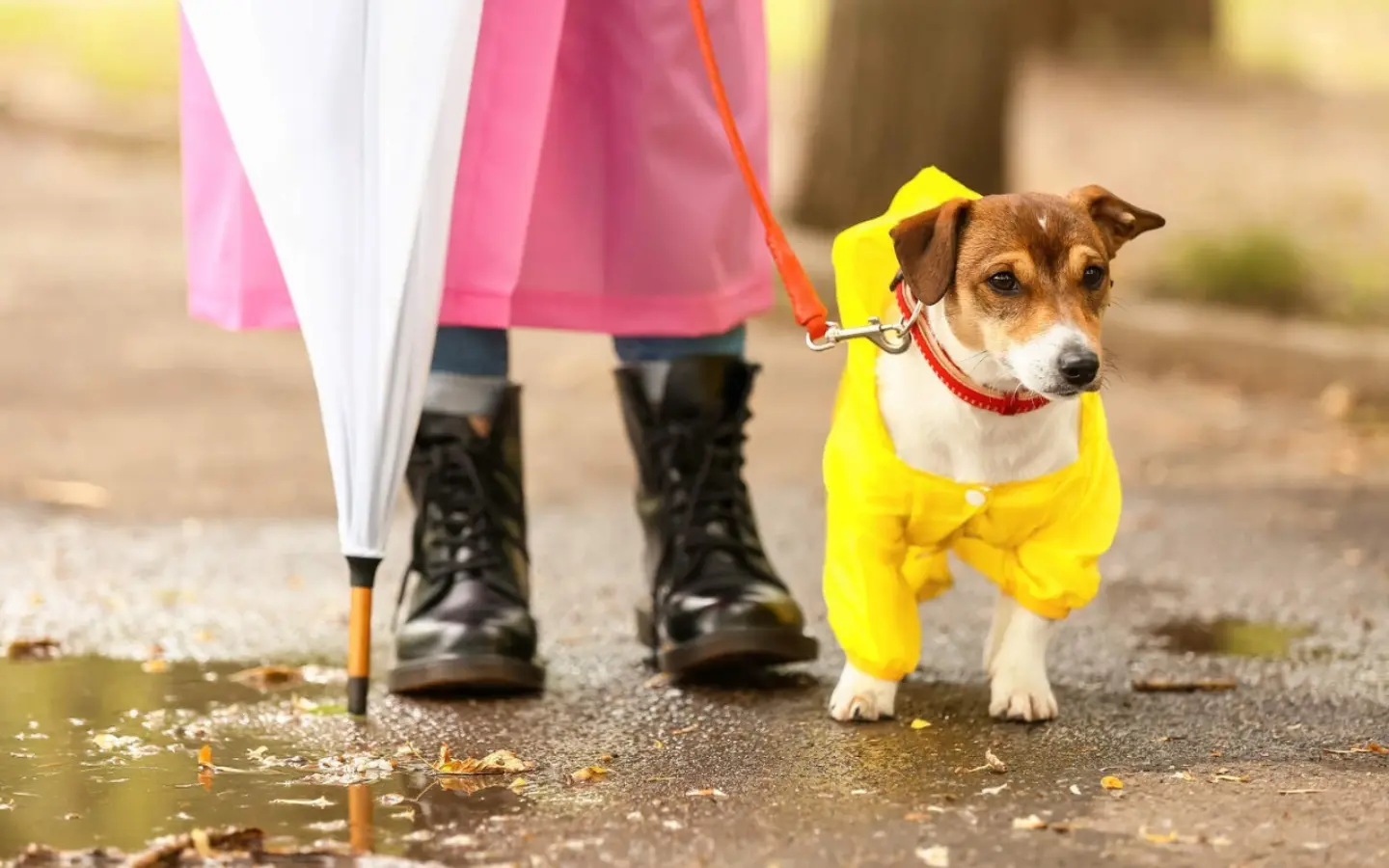
As responsible dog owners, it’s natural to want the best for our furry friends, especially when it comes to protecting them from the elements. However, knowing how to choose the right raincoat and understanding how to know if your dog’s raincoat is too warm during walks are essential for their comfort and safety.
I recently came across a Reddit post asking, “How to tell if your dog is overheating in their raincoat during walks?” Many dog owners shared stories about their pets panting heavily, slowing down, or seeming uncomfortable. These are all signs the dog raincoat might be too warm for the weather.(source)
This reminded me how important it is to choose a raincoat that’s not just waterproof but also breathable and lightweight. When your dog shows signs of discomfort, it might mean it’s time to switch to a cooler option or skip the raincoat altogether. A good dog raincoat should protect your pet from rain without trapping too much heat. Pay attention to how your dog behaves, especially on warmer or humid days.
Signs Your Dog’s Raincoat Might Be Too Warm
Recognizing the signs that a raincoat is too warm for your dog is crucial, especially in mild weather or when using non-breathable materials. Here are some key indicators your dog may be overheating:
- Heavy or Frantic Panting: This is often the first sign of overheating.
- Drooling: Excessive drooling is an attempt to cool down.
- Bright Red Gums or Tongue: This indicates elevated body temperature.
- Rapid or Irregular Heartbeat: Difficulty in regulating body temperature can affect heart rate.
- Lethargy or Disorientation: A clear sign your dog is too warm.
- Labored Breathing: Struggling to breathe properly is a serious indicator of overheating.
Flat-faced breeds, puppies, older dogs, and those with thick coats are at greater risk of overheating. If any of these symptoms occur, remove the coat promptly, move your dog to a cooler environment, and offer water. Seek veterinary advice if necessary.
What to Do If Your Dog Seems Overheated in a Raincoat
If you notice signs like excessive panting, lethargy, red gums, or your dog constantly trying to remove the raincoat, it could mean your dog is overheating. This can be dangerous, especially during humid or warmer weather. The first step is to immediately remove the raincoat and move your dog to a shaded or cool area. Offer fresh water and allow them to rest.
Use a damp towel or cool (not cold) water to gently wipe down their belly, paws, and neck. Avoid pouring cold water directly on them, as this can cause shock. If symptoms persist or worsen—such as vomiting, unresponsiveness, or collapsing—seek veterinary attention right away. Overheating, or canine heatstroke, is a medical emergency.
To prevent this from happening again, choose a dog raincoat made from breathable materials and always check the temperature and humidity before heading out.
How to Choose the Right Raincoat for Your Dog
Choosing the right dog raincoat is about more than just staying dry—it’s also about comfort and safety. Here’s what to keep in mind:
Pick Breathable Fabrics
Avoid heavy plastics. Choose materials that block rain but allow airflow to reduce the risk of overheating.
Make Sure It Fits Well
A proper fit should be snug but not tight. It shouldn’t limit your dog’s movement or cover their eyes or ears.
Match to Breed and Energy Level
Light-coated or small dogs may need more warmth, while thick-coated or flat-faced breeds need cooler, lightweight options.
Use When It’s Cool and Wet
Skip the raincoat on hot or humid days. Always watch for signs of overheating like panting or restlessness.
Look for Ventilation Details
Features like mesh linings or adjustable vents help keep your dog cool and comfortable.
In conclusion
Selecting a raincoat for your dog requires first breathability, accurate fit, and your pet’s comfort. By knowing and appreciating the indications of overheating and making wise decisions, you can help your dog remain comfortable and safe on walks, even in the rain.
During walks, remember to regularly contact below the coat. If your dog feels excessively warm or exhibits symptoms of anxiety, take off the coat and select a lighter, more breathable option. Keeping these points in mind will help not only to make your dog more at ease but also to advance their general health.
Stay informed, make the right decisions, and watch your furry friend’s health to guarantee happy outside activities together!