

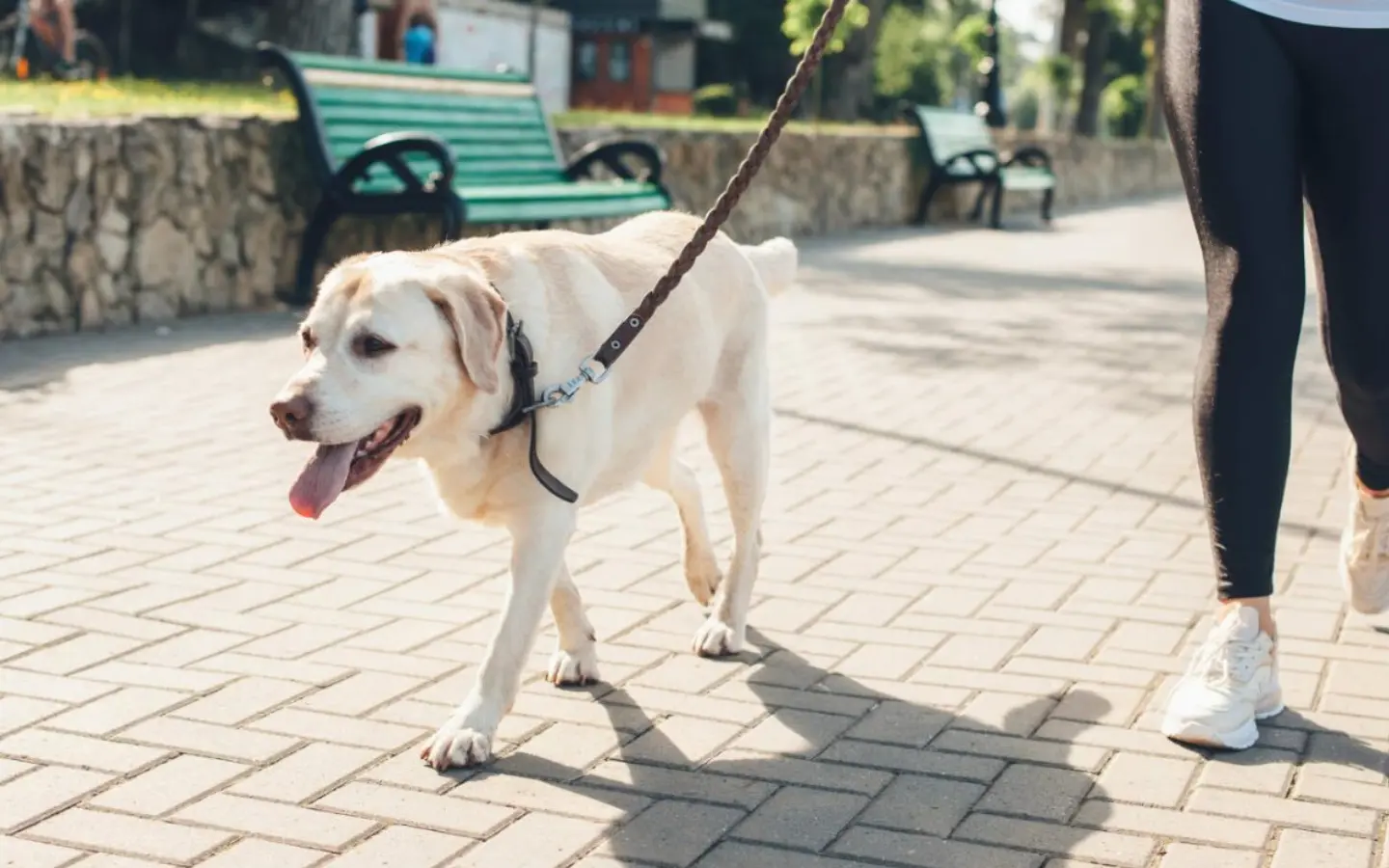
Running with your dog can be an exhilarating experience, and transitioning to a hands-free dog leash could enhance the adventure. But is your hands-free dog leash setup right for running? Avoid these common mistakes to ensure safety and maximize your jogging sessions.
Why Choose a Hands-Free Dog Leash?
Hands-free dog leashes provide a convenient way for runners to maintain a natural gait while keeping their hands available for other activities. This innovation reduces strain on the arms and shoulders, promoting a more ergonomic running posture. However, to fully benefit, it’s crucial to understand the essential features and common mishaps associated with these leashes.
Key Features of a Safe Hands-Free Dog Leash
- Shock Absorption or Bungee Components
For a safer running experience, select a leash with shock-absorbing properties. Bungee sections help minimize sudden pulls, reducing strain on both you and your dog. - Secure, Adjustable Waist Belt
A well-fitted waist belt or crossbody attachment offers better stability and control. An adjustable strap aids in customizing the fit to prevent your dog from pulling away unexpectedly. - Reflective Detailing
If you often run during low-light conditions, a leash with reflective stitching enhances visibility, keeping you and your furry friend safer.
Common Mistakes to Avoid
Incorrect Fit
An ill-fitting waist belt can be uncomfortable and dangerous, allowing your dog to escape or slip. Always adjust your belt to a snug, yet comfortable fit.
Choosing the Wrong Leash for Your Dog
Ensure that the leash and its components are suitable for your dog’s size and temperament. Strong, reactive dogs may require robust hardware and an additional grab handle.
Ignoring Leash Length
Choosing an appropriate leash length is crucial. Most experts recommend a length between 4 to 6 feet, preventing tripping or tangling hazards.
Not Testing the System
Before hitting the trails, test your new gear on short walks to ensure both comfort and control. This preliminary step is vital to confirm that your dog responds well to the setup.
Skipping Safety Checks
Regularly inspect all equipment, from clips to stitching, for signs of wear and tear. A malfunction during a run could lead to loss of control or injury.
Failing to Account for Distractions
Pick broad, clear paths reducing interactions with bikes, cars, or other dangers. Understanding your surroundings is absolutely vital if you want to prevent accidents.
Running on Unsafe Routes
Choose wide, clear paths that minimize encounters with bikes, vehicles, or other hazards. Awareness of your environment is key to avoiding accidents.
Conclusion
Using a hands-free dog leash the right way can completely upgrade your running routine—giving you freedom, better posture, and a stronger connection with your dog. The key lies in choosing the right setup, avoiding common mistakes, and staying in tune with your dog’s behavior and comfort.
Make sure your leash fits securely, absorbs shocks, and suits your dog’s size and energy level. Regular gear checks and awareness of your surroundings also go a long way in keeping both of you safe.