

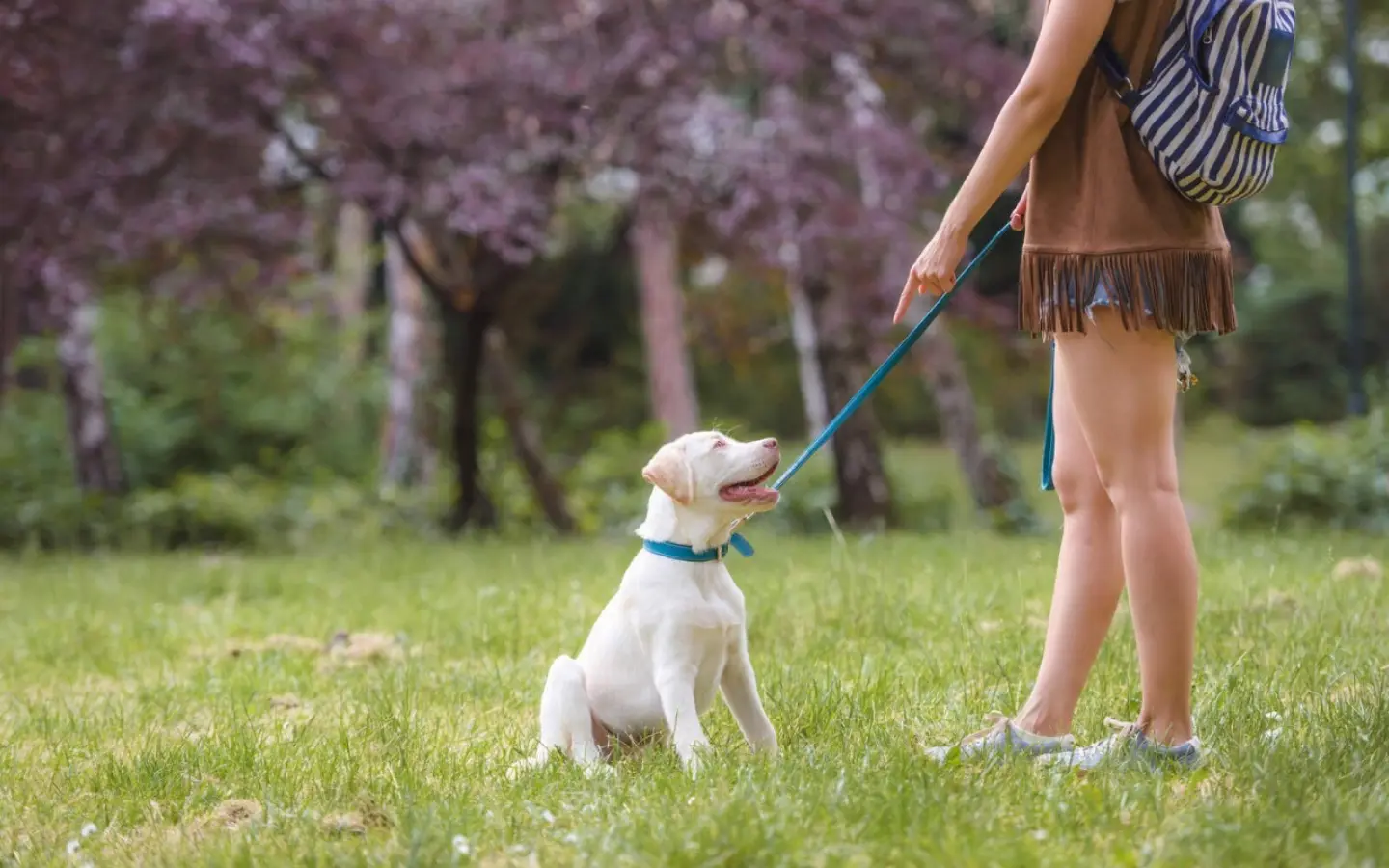
For active pet owners, the hands-free dog leash has become a practical choice in the changing landscape of pet accessories. But the main query is: a hands-free dog leash appropriate for your dog’s character and energy level? This manual seeks to give a thorough perspective by addressing several dog types and how they fit with the handsfree leash design.
Understanding Your Dog’s Temperament and Energy Level
It’s important to evaluate your dog’s attitude and energy levels before changing to a hands-free leash. These elements mostly decide if this creative leash design will help one have a trouble-free walking experience or present obstacles.
Well-Trained, Calm Dogs
Hands-free leashes are highly recommended for well-behaved dogs that exhibit calmness and moderate energy levels. These leashes provide a seamless walking experience for dogs that are polite on the leash and don’t react excessively to distractions. They allow you to use your entire body to guide your dog, minimizing arm fatigue. (source)
Active Owners’ Best Friend
For the multitasking pet parent—whether you’re a jogger, hiker, or simply someone who enjoys hands-free convenience—these leashes can transform your outings. They offer enhanced freedom of movement and allow more activities to be performed simultaneously.
High-Energy, Strong Pullers
If your dog is highly energetic and known for strong pulling, a hands-free leash might not be the ideal choice. The less direct control offered can lead to safety risks like loss of balance. This type of dog might benefit from continued training with a standard leash. (source: Peteast)
Reactive or Anxious Dogs
Dogs that react unpredictably or exhibit anxious behaviors may not be suited for hands-free leashes. The unpredictability of lunging can make it challenging to maintain control, potentially compromising safety.
Puppies and Dogs in Training
For puppies or dogs still in training, a cautious approach is advised. Start with the hands-free leash in familiar environments with low distractions, reinforcing basic commands as you gradually introduce more complex stimuli.
Tips for Adopting a Hands-Free Leash Successfully
- Begin in Low-Distraction Zones: Acclimate your dog by starting in familiar settings. This reduces the challenge of new stimuli while using a hands-free leash.
- Reinforce Basic Commands: Strengthen obedience, such as “heel” and “stay,” to ensure your dog remains attentive.
- Monitor Behavior Closely: Be prepared to switch back to a traditional leash if control wanes, ensuring a safe experience.
- Harness Over Collar: Opt for a harness to distribute force evenly, minimizing the risk of injury.
Restrictions and Safety Aspects
Hands-free dog leashes provide less immediate control than conventional ones, even though they improve ease. For canines with a tendency for impulsive behavior, such leads might not assure safety. To avoid incidents, always use strong leashes appropriate for your dog’s weight and strength.
Finally
For many dog owners, especially those with calm, responsive, and somewhat active canines, choosing a handsfree leash might revolutionize their lives. Before shifting, for canines who often pull or react strongly to outside stimuli, concentrate on correct training with a basic leash. In the end, safety and customising options depending on your dog’s actions come first. To guarantee a rewarding walking experience, think about your dog’s individual needs and walking habits.
Have you tried using a handsfree leash on your pet? In the comments below, share your observations and knowledge.