

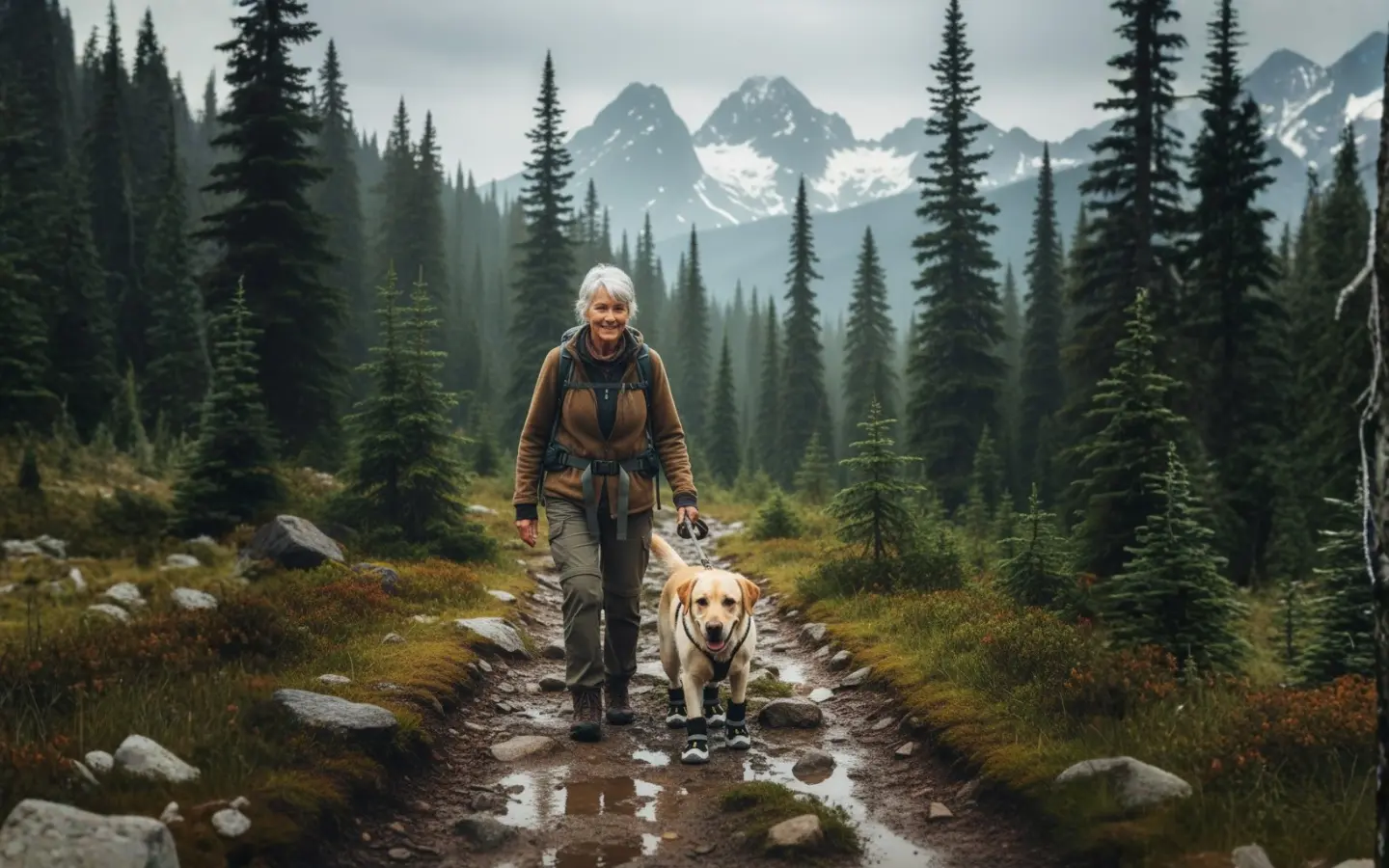
How to Check the Comfort of Your Dog’s Outdoor Shoes for Safe and Happy Adventures
Properly fitting outdoor shoes protect your dog’s paws from rough terrain, hot surfaces, or cold weather, but discomfort can lead to resistance or injury. Regular checks ensure shoes stay snug without restricting movement or causing irritation. Here’s how to evaluate and maintain your dog’s paw comfort during outdoor activities.
1. Initial Fit Assessment Before First Use
A correct initial fit prevents blisters, slipping, or restricted blood flow. Start by measuring your dog’s paws accurately and testing shoes in a controlled environment.
Measuring Paws Correctly:
- Place your dog’s paw on a piece of paper and mark the widest part (usually the ball) and the longest part (from toe to heel). Use these measurements to select shoes that match their size.
- Avoid guessing sizes, as ill-fitting shoes can rub against the skin or fall off during movement.
Testing for Slippage and Tightness:
- After putting shoes on, observe your dog walking on a flat surface. Shoes should stay in place without twisting or shifting. If they slide forward, the fit is too loose; if they pinch the skin, they’re too tight.
- Check for gaps between the shoe and paw. A small amount of room (about a finger’s width) is normal, but excess space means the shoe won’t provide adequate support.
Monitoring Your Dog’s Reaction:
- Some dogs resist wearing shoes initially. Look for signs of distress, like lifting paws, chewing at the shoes, or refusing to walk. These may indicate discomfort rather than stubbornness.
- Gradually introduce shoes by letting your dog wear them for short periods indoors before heading outside. Pair this with treats or play to create positive associations.
2. Checking for Signs of Discomfort During Wear
Even well-fitted shoes can cause issues over time. Regularly inspect your dog’s paws and behavior to catch problems early.
Physical Signs of Irritation:
- Remove shoes after 30–60 minutes of wear (depending on activity level) and check for redness, swelling, or hair loss around the paw pads, toes, or ankles.
- Look for blisters or sores, especially in areas where the shoe rubs against the skin. These indicate the shoe is either too tight or made from abrasive material.
Behavioral Indicators of Pain:
- If your dog limps, stops frequently, or licks their paws excessively while wearing shoes, they may be experiencing discomfort. Remove the shoes immediately and reassess the fit.
- Watch for changes in gait, such as walking on tiptoes or avoiding putting weight on one paw. These suggest the shoe is causing pain or restricting movement.
Adjusting for Activity Type:
- High-energy activities like running or hiking may require looser shoes to allow for natural paw splaying. Tight shoes can lead to cramping or fatigue.
- For casual walks on smooth surfaces, a snugger fit provides better grip and protection. Balance flexibility with support based on the terrain.
3. Ensuring Proper Ventilation and Material Compatibility
Breathable materials and proper airflow prevent overheating and moisture buildup, which can lead to fungal infections or unpleasant odors.
Choosing Breathable Fabrics:
- Opt for shoes made from mesh or lightweight, flexible materials that allow air to circulate around the paws. Avoid thick, non-breathable fabrics that trap heat.
- If your dog has sensitive skin, avoid synthetic materials that may cause itching or rashes. Natural fibers like cotton blends are often gentler.
Preventing Moisture Retention:
- After wet activities like walking through puddles or snow, dry your dog’s shoes thoroughly before storing them. Damp shoes can harbor bacteria and irritate the skin.
- If shoes don’t dry quickly, consider using a second pair to rotate between outings. This ensures your dog always wears dry, clean gear.
Checking for Chafing Points:
- Pay attention to areas where the shoe’s seams or straps contact the skin. Rough edges or tight straps can rub against the fur or skin, causing irritation.
- If chafing occurs, adjust the straps or trim excess material (if safe to do so). Some shoes have padded collars or adjustable closures to minimize friction.
4. Long-Term Maintenance for Ongoing Comfort
Regular upkeep extends the life of your dog’s shoes and ensures they continue to fit properly as your dog grows or their paw shape changes.
Inspecting for Wear and Tear:
- Check shoes weekly for signs of damage, such as frayed edges, holes, or weakened straps. Damaged shoes may not provide adequate protection and can cause discomfort.
- Replace shoes that no longer hold their shape or have lost elasticity in the closures. Ill-fitting shoes are more likely to rub or slip off.
Re-Evaluating Fit Over Time:
- Puppies or dogs in growth phases may outgrow their shoes quickly. Measure their paws every few months to ensure the shoes still fit correctly.
- Even adult dogs can experience changes in paw size due to weight gain, muscle development, or age-related conditions. Adjust shoe sizes or styles as needed.
Storing Shoes Properly:
- Keep shoes in a cool, dry place away from direct sunlight. Heat can warp the material, while moisture can lead to mold or mildew.
- If storing shoes for an extended period, clean them thoroughly and let them air-dry completely to prevent odors or bacterial growth.
By prioritizing fit, monitoring for discomfort, choosing breathable materials, and maintaining shoes properly, you’ll keep your dog’s paws safe and comfortable during every outdoor adventure. Regular checks and adjustments ensure shoes enhance mobility rather than hinder it.