

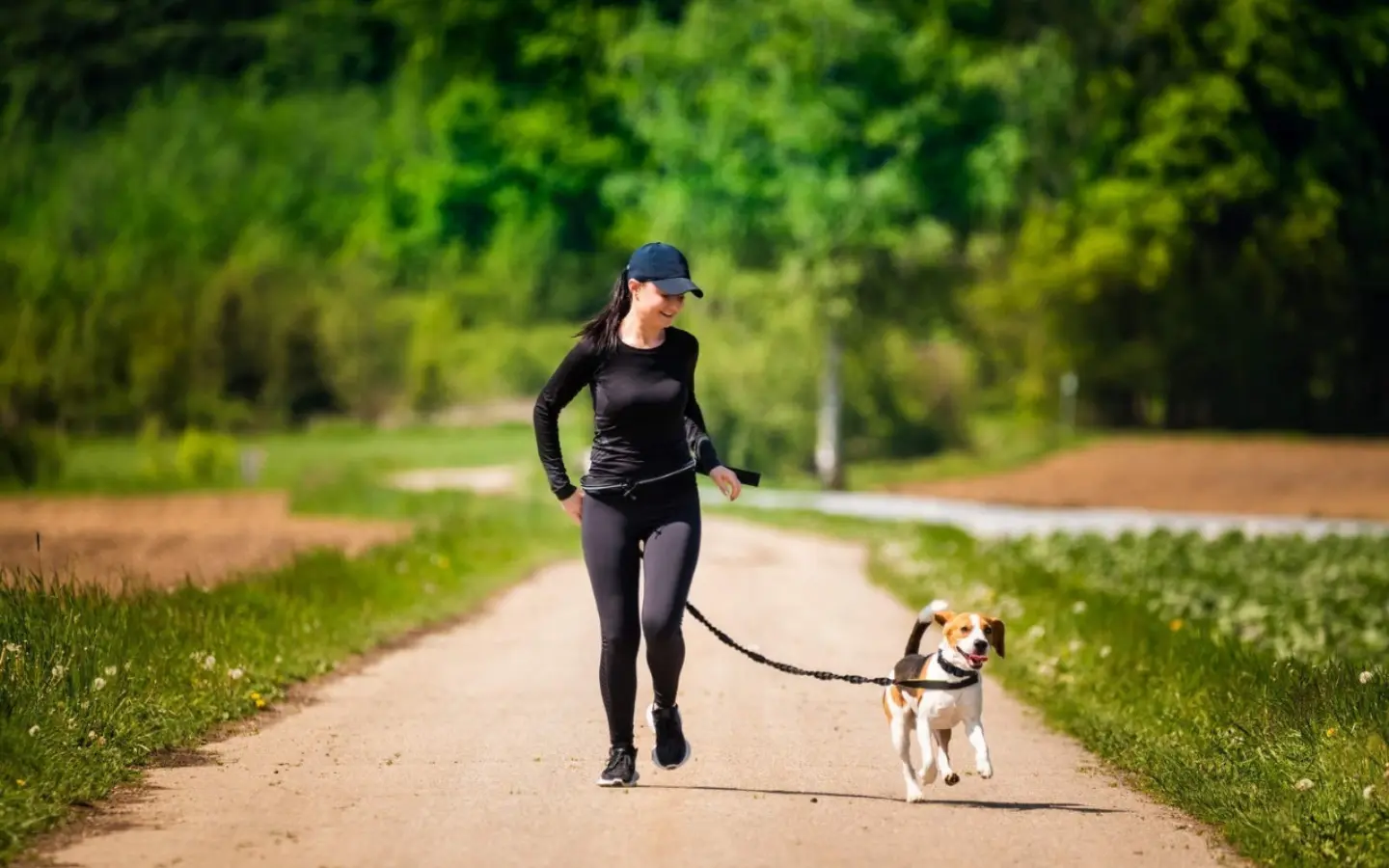
One of the most fulfilling things you can do with your dog is running and jogging, which not only strengthens your connection but also helps both of you remain in shape. By employing a hands-free dog leash, one may improve this encounter. This manual will help you to guarantee a pleasant run for both you and your furry buddy by walking you through the procedures of safe and efficient hands-free dog leash usage.
Understanding the Hands-Free Dog Leash
A hands-free dog leash is designed to securely attach to the runner’s waist, leaving the hands free for a more natural running posture. This system provides better control and reduces the likelihood of injury compared to holding a leash in your hand.
Step-by-Step Guide to Using a Hands-Free Dog Leash
Step 1: Adjust the Waist Belt
The first step is securing the leash around your waist like a belt. Ensure it’s snug but comfortable. Most leashes come with an adjustable belt to fit different waist sizes and preferences. For detailed instructions, you can refer to Fitness with Fido which provides expert advice on adjusting your leash properly.
Step 2: Attach the Leash to Your Dog
For safety and control, it is strongly recommended to attach the leash to a harness rather than a collar. This helps distribute the force evenly across the dog’s body, preventing neck or throat injuries in case of sudden pulls. You can find more information on harness benefits at Mighty Paw.
Step 3: Set the Leash Length
Adjust the leash length to allow your dog enough room to move comfortably while staying secure beside you. If your leash includes a bungee section, align it with your dominant side to absorb shocks.
Step 4: Check Fit and Comfort
Make sure the leash’s bungee or main part rests at your waist, absorbing any tugs without straining your back or hips. Adjust it accordingly to align with your comfort and your dog’s preferred positioning.
Step 5: Monitor and Practice
Begin practicing indoors or in a quiet area to help your dog adjust to this new system. Reward calm behavior and gradually introduce jogging or running as your dog becomes more comfortable. For practical training videos, consider watching guides on platforms like YouTube.
Step 6: Stay Alert
Always be vigilant to your surroundings and your dog’s behavior. Be prepared to take manual control if needed, especially in busy or unpredictable settings to prevent any unwanted incidents.
Step 7: Inspect Equipment Regularly
Regularly check all components of the leash for any signs of wear and tear to ensure everything remains secure and safe during use.
Safety Tips and Adjustments
- Choose Safe Locations: Opt for open spaces away from heavy traffic to make it easier to manage your dog safely.
- Secure Leash Attachments: Always check the leash’s attachment points before running to avoid accidental detachment.
- Address Pulling Behavior: If your dog tends to pull too hard, consider additional training to improve leash manners.
Final Thoughts
Using a hands-free dog leash for running and jogging can significantly improve your dog’s exercise plan. Following these guidelines guarantees both of you a safe, pleasurable experience. Regularly check your gear and change your habits as necessary for your dog’s conduct and your running environment. Visit trusted groups like Mighty Paw or browse [related internal pages] for more ideas on safety and use recommendations.
Integrating these behaviors into your everyday life will help you on your way to a happier, healthier, and more active lifestyle with your dog!