

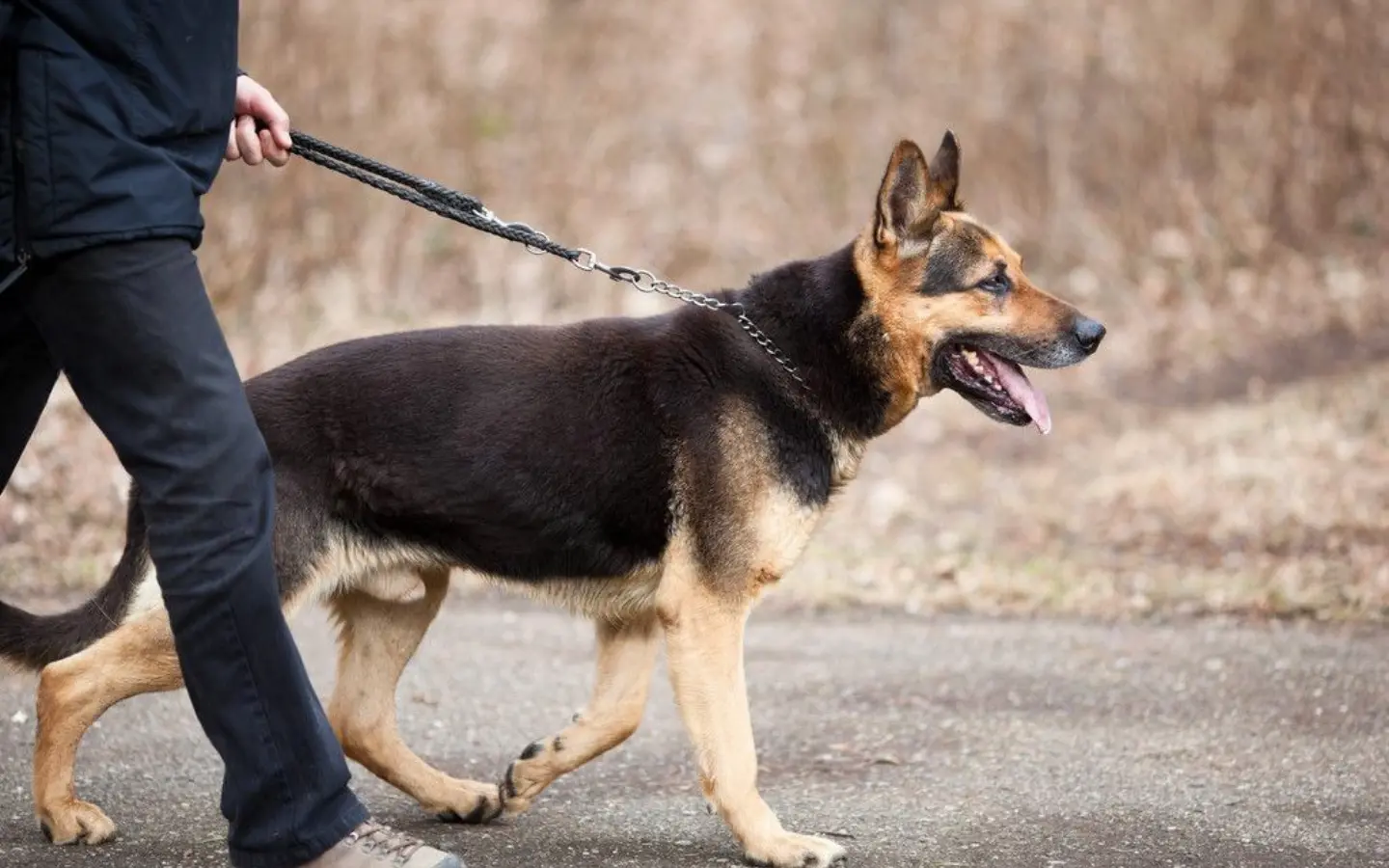
Training your dog to walk on a hands-free leash can transform your daily walks into a more enjoyable and convenient experience. This comprehensive guide will cover the essentials of how to train your dog using a hands-free leash, ensuring both you and your furry friend benefit from this versatile tool.
Introduction to Hands-Free Leash Training
A hands-free leash offers dog owners a convenient way to walk their dogs while keeping their hands unencumbered. This setup can particularly benefit those who enjoy running, hiking, or multitasking during walks. To successfully train your dog using a hands-free leash, it’s essential to understand the right techniques and approaches.
Getting Started with Hands-Free Leashes
Begin by familiarizing your dog with the hands-free leash indoors. Allow them to wear it around the house without the leash being attached to you. This gradual introduction can help ease any anxiety your dog may have towards the new equipment. Consistent exposure during this phase is crucial for helping your dog feel comfortable (source).
Choose the Right Training Environment
Initiate training sessions in a low-distraction environment, preferably indoors. This allows your dog to focus more effectively on learning leash manners without external stimuli that might be present in an outdoor environment. As your dog becomes accustomed to the leash, gradually transition to outdoor settings.
Introducing Basic Commands and Techniques
Training with a hands-free leash provides the opportunity to use clear verbal commands alongside physical cues. Focus on teaching basic commands such as ‘sit,’ ‘stay,’ ‘heel,’ and ‘come’ using positive reinforcement. The design of the hands-free leash encourages more relaxed handling, eliminating the urge to pull or jerk the leash (source).
Utilize Positive Reinforcement
Consistent reinforcement with treats and praise is key. Reward your dog each time they comply with a command during training. A convenient method is to carry a treat pouch attached to your hands-free leash, ensuring rewards are readily available.
The Importance of Consistency
Regular practice sessions are vital in strengthening your dog’s behavior on a hands-free leash. Repetition helps solidify the desired actions and allows for gentle correction of mistakes as they arise. Remember, consistency is a fundamental aspect of effective dog training.
The Benefits of Hands-Free Leashes
Hands-free leashes come in various configurations, offering adaptability for different activities like running or walking two dogs simultaneously. Adjustability in tether length adds to their versatility, making them an excellent tool for diverse training scenarios and daily walks (source).
Conclusion
Training your dog to walk on a hands-free leash can open up new realms of freedom and comfort for both you and your dog. By following structured training practices and rewarding positive behaviors, you can ensure your dog learns to walk calmly and confidently. For further reading and resources on dog training, consider exploring additional guides and expert advice online. Share your experiences and insights in the comments, as we would love to hear about your journey with hands-free leash training.
By investing time in teaching your dog how to use a hands-free leash, you are taking an essential step towards a more enjoyable and controlled walking experience.