

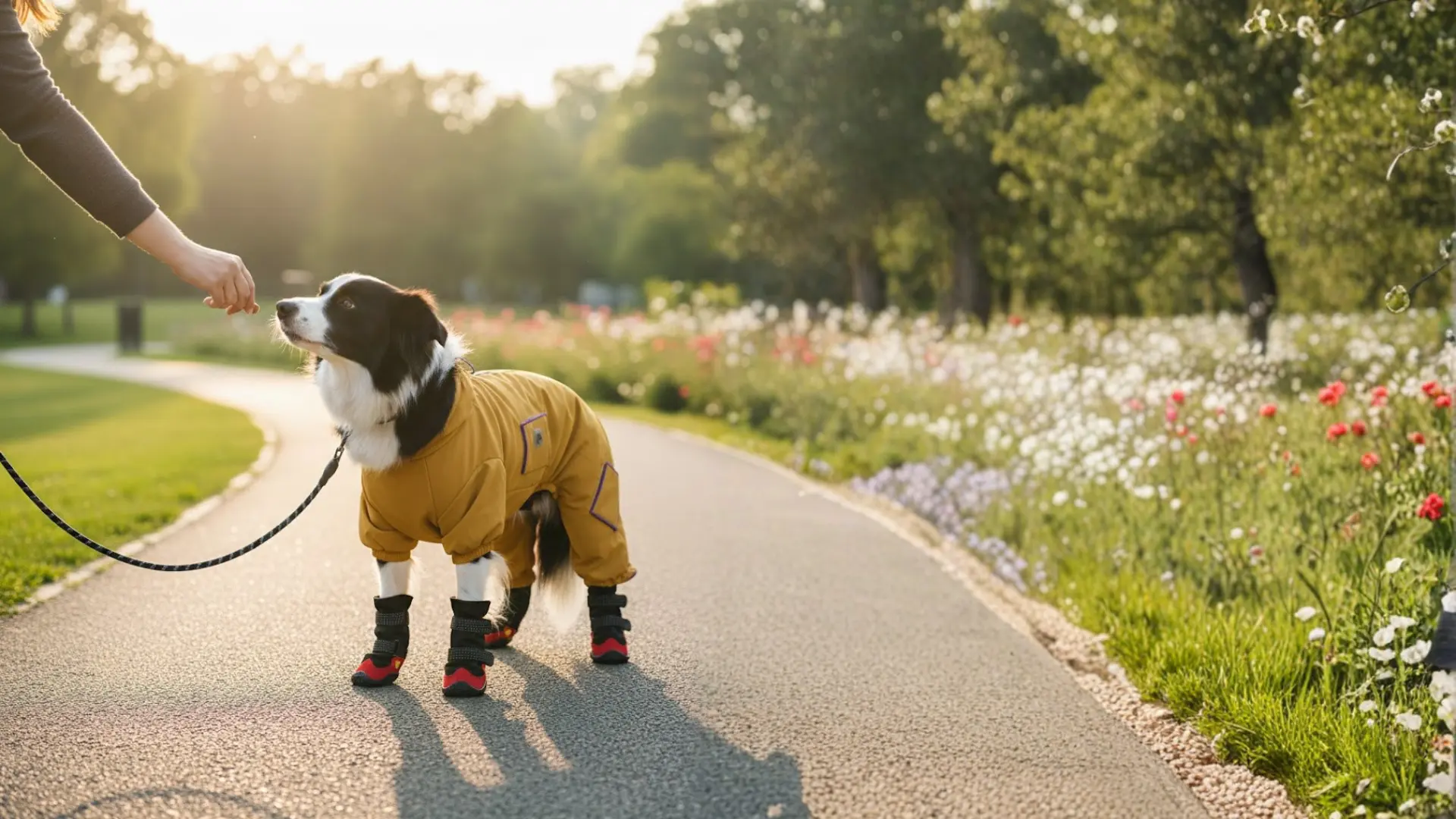
As an Editor for PETSFLOW, I understand the frustrations of a dog that pulls on the leash. It can turn a pleasant walk into a strenuous chore, causing discomfort for both you and your furry friend. If you’re looking for an effective solution, mastering how to stop pulling with a hands-free dog leash can be a game-changer. This article will provide you with expert training tips to achieve harmonious loose leash walking, backed by proven methods and insights into canine behavior.
Understanding the Hands-Free Leash Advantage for Better Walks
A hands-free dog leash is more than just a convenience; it’s a powerful training tool designed to promote loose leash walking and enhance your walking experience. Unlike traditional leashes, a hands-free system encircles your torso, typically attaching around your waist or hips. This innovative design offers several significant benefits:
- Eliminates the Jerk Impulse: One primary advantage is that it naturally discourages the common human tendency to yank or jerk the leash. Dogs possess an opposition response—when you pull, they instinctively pull back. By removing the direct hand-to-leash connection, you prevent inadvertently training your dog to pull more.
- Enhanced Stability and Balance: With the leash attached at your hips, you benefit from a stronger center of gravity. This makes it significantly harder for your dog to pull you off balance or knock you over, especially if they are larger or prone to sudden movements.
- Reduced Physical Strain: Carrying a leash by hand can put considerable strain on your shoulders, arms, and back. Hands-free systems distribute this pressure, greatly reducing discomfort and allowing for longer, more enjoyable walks. Source: Fearlesspet
- Freedom for Positive Reinforcement: Crucially, with both hands free, you can more readily offer treats, engage in petting, or pick up waste, making positive reinforcement easier and more consistent during training sessions.
Prioritizing Safety: Emergency Practices Before Training
Before diving into training, it’s vital to familiarize yourself with the safety protocols of your hands-free leash. Accidents can happen, and knowing how to quickly detach your dog is paramount.
- Emergency Removal Techniques: Practice quickly unbuckling the entire belt at your waist. In an emergency, you can then simply hold the entire belt (with the leash and dog attached) in your hand. Alternatively, if your system has a d-ring attachment, practice unclipping the leash from the belt, leaving the leash attached to your dog. Source: Fearlesspet.com
- Maintain a Hand on the Leash: Until you are fully confident in your dog’s loose leash walking behavior, it’s a good safety measure to keep one hand resting on the top of the leash at all times. This provides an extra layer of control if an unexpected situation arises.
Core Training Techniques for Loose Leash Walking
Effective training tips for loose leash walking with a hands-free dog leash involve structured exercises designed to teach your dog to respond to leash pressure and maintain pace.
Silky Leash Training: Building Foundational Control
This is the cornerstone exercise to begin your journey to stop pulling with a hands-free dog leash. Silky Leash Training teaches your dog to yield to gentle leash pressure instead of resisting it.
- Start Stationary: The key is to never apply leash pressure when your dog is already pulling. This only reinforces their pulling behavior due to their opposition reflex. Wait for your dog to be standing still.
- Gentle Pressure: Once your dog is stationary, apply very gentle, consistent pressure to the leash.
- Wait for Relaxation: Wait patiently. Your goal is for your dog to respond by relaxing into the pressure, perhaps by taking a small step backward or turning their head towards you, rather than pulling away. The moment they show any sign of yielding, immediately release the pressure.
- Environmental Progression: Practice this exercise in increasing levels of distraction. Start in a quiet environment like your living room, then move to the backyard, side yard, front yard, and finally, the sidewalk. This systematic approach helps generalize the behavior.
Consistency is Key for Silky Leash Mastery
Most dogs can grasp the concept of Silky Leash Training within one to three days with consistent practice. The recommended approach is:
- Frequency: Conduct three or more short practice sessions daily.
- Duration: Each session should last approximately five minutes.
- Positive Endings: Always conclude a training session on a successful repetition to build positive momentum and keep your dog motivated.
The Bowl Pressure Game: Advancing Attention and Pace
Once your dog has a solid understanding of Silky Leash Training, the Bowl Pressure Game is the next step. This advanced exercise teaches your dog to pay attention to your pace and follow your lead more closely. While it might take a minute to introduce the concept, you’ll likely see rapid progress once your dog understands it. Like the foundational exercise, practice this three times daily in five-minute sessions, ensuring each session ends successfully before moving on.
The Power of Consistent Practice for Lasting Change
Achieving success with a hands-free dog leash to stop pulling is not an overnight fix. It’s a conditioning process that requires consistent daily practice over several weeks. Your dog needs time and repetition to form the new habit of loose leash walking. Avoid the temptation to rush through the exercises; only advance to the next level once your dog has consistently mastered the current level in all five environments.
Why Dogs Pull: Key Behavioral Insights
To truly help your dog stop pulling on the leash, it’s important to understand the underlying motivation: dogs pull primarily because it gets them where they want to go. Whether it’s to sniff an interesting spot, greet another dog, or explore a new scent, pulling often yields a reward for them.
Being aware of your dog’s interests on walks and proactively leading them to these desired locations (while maintaining a loose leash) can reduce their urge to pull. However, simply allowing access isn’t enough; combining this awareness with structured training exercises like Silky Leash Training and the Bowl Pressure Game is essential for creating lasting change in their walking habits.
Conclusion
Utilizing a hands-free dog leash is a highly effective method for teaching your dog to walk politely on a loose leash. By understanding its advantages, prioritizing safety, and consistently implementing the core training techniques like Silky Leash Training and the Bowl Pressure Game, you can transform your walks into enjoyable experiences for both you and your canine companion. Remember, patience, consistency, and positive reinforcement are your greatest allies in mastering how to stop pulling with a hands-free dog leash. With these expert training tips, you’re well on your way to achieving harmonious loose leash walking.
For more detailed guides on positive reinforcement training and choosing the best hands-free leash for your dog, explore other articles on the PETSFLOW website. Share your training successes in the comments below – we’d love to hear from you!